Whipped for Performing Without a Hijab: Iranian Singer Sentenced to 74 Lashes and Two-Year Travel Ban
Iranian singer Parastoo Ahmadi's viral performance without a hijab triggers a harsh court sentence and reignites debate over women's rights and freedom of expression in Iran.
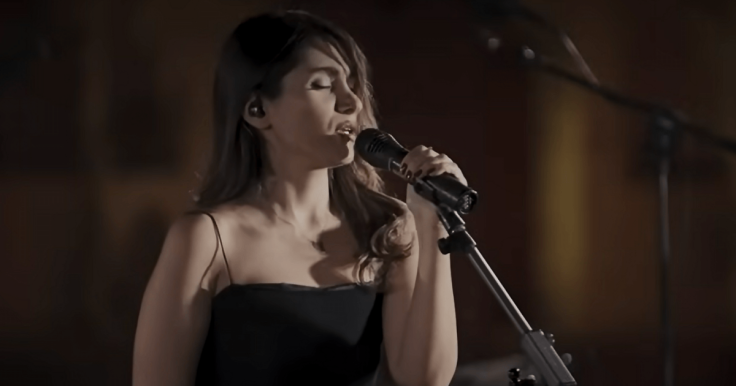
Iranian singer Parastoo Ahmadi has been sentenced to 74 lashes, a two-year travel ban and a two-year ban on artistic activity after performing in a livestreamed concert without a hijab, according to court documents and rights groups.
Alongside the 29-year-old Ahmadi, eight members of her production team were also sentenced by a court in Qom province. The ruling includes 74 lashes, a two-year travel ban, and a two-year prohibition on all artistic activity.
The case has quickly become one of the most explosive examples of Iran's cultural repression in recent years, especially involving women in the arts.
A Livestream That Changed Everything
The controversy traces back to December 2024, when Ahmadi performed a livestreamed concert on YouTube without wearing a hijab, singing the patriotic song Az Khoone Javanane Vatan ('From the Blood of the Youth of the Homeland').
The performance was not staged in secrecy. It was public, deliberate, and widely shared, quickly spreading across social media platforms and drawing millions of views.
What many supporters saw as a bold artistic statement, authorities interpreted as a violation of public decency laws.
Shortly after the video went viral, Ahmadi and several musicians were briefly detained. They were later released, but prosecutors pressed ahead with charges linked to the broadcast.
Court documents reviewed by lawyers and rights groups say authorities accused the artists of producing and publishing 'vulgar and immoral content', a charge critics argue stretches legal interpretation.
Why the Sentence Shocked Rights Advocates
The ruling has intensified scrutiny of flogging punishment in Iran, a corporal penalty long condemned by international human rights groups as degrading and potentially abusive.
Human rights advocates say the punishment raises urgent questions about proportionality and state control over artistic expression.
Bahar Ghandehari of the Center for Human Rights in Iran said the case reflects a continuing pattern of repression despite Iran's efforts to improve its global image.
She said Ahmadi's punishment highlights the gap between official narratives and the lived reality of artists who challenge social restrictions.
Legal Experts Challenge the Verdict
Legal analysts have questioned the basis of the ruling, arguing that Iranian law does not explicitly criminalize women's singing or musical performance.
Moein Khazaeli, a human rights lawyer at Dadban, said the charges do not align with established criminal statutes.
He argued that labeling a musical performance as obscene content lacks legal consistency and risks broadening censorship beyond its intended scope.
Khazaeli also raised deeper concerns about corporal punishment itself, noting that many rights organizations classify flogging as inhuman treatment.
These arguments have fueled wider discussions around Iran's freedom of expression, particularly as artistic spaces continue to shrink under tightening regulations.
The Artistic Ban and Its Hidden Weight
Beyond the lashes, the ruling imposes a two-year artistic ban and travel restrictions that may significantly limit Ahmadi's career.
In practice, such bans often prevent artists from performing publicly, releasing new work, or participating in cultural projects abroad.
For many observers, this may be the most damaging part of the sentence, effectively silencing her professional voice while reinforcing broader cultural restrictions.
A Symbol of Iran's Cultural Tensions
The case has grown far beyond a courtroom decision. It has become a flashpoint in the ongoing struggle between Iranian authorities and artists pushing against Iran's hijab laws and broader social restrictions.
Critics say the ruling reflects a wider pattern of Iranian cultural repression, where artists, filmmakers, and musicians face increasing pressure when their work intersects with themes of gender, politics, or identity. The debate is not only about one singer. It is about who gets to be heard in public life.
Voices From Exile and Resistance
Prominent Iranian figures abroad have rallied behind Ahmadi, framing her case as part of a larger struggle for artistic and personal freedom. Iranian-British actor Nazanin Boniadi said the sentence reflects a system that remains unchanged despite international attention. Her comments highlight growing concern that repression of artists continues regardless of global scrutiny.
Iranian actor Setareh Maleki, who now lives in exile, said Ahmadi's performance had a deep emotional impact, describing it as an act of courage despite the known consequences. She emphasized that resistance has become part of everyday artistic life for many Iranians, especially those who refuse to conform to censorship.
© Copyright IBTimes 2026. All rights reserved.
- Recommended For You