How Much Tax Does King Charles Pay? The Public Is About to Find Out in Historic First
Amid scrutiny of royal finances, the palace aims to boost transparency and modernize practices
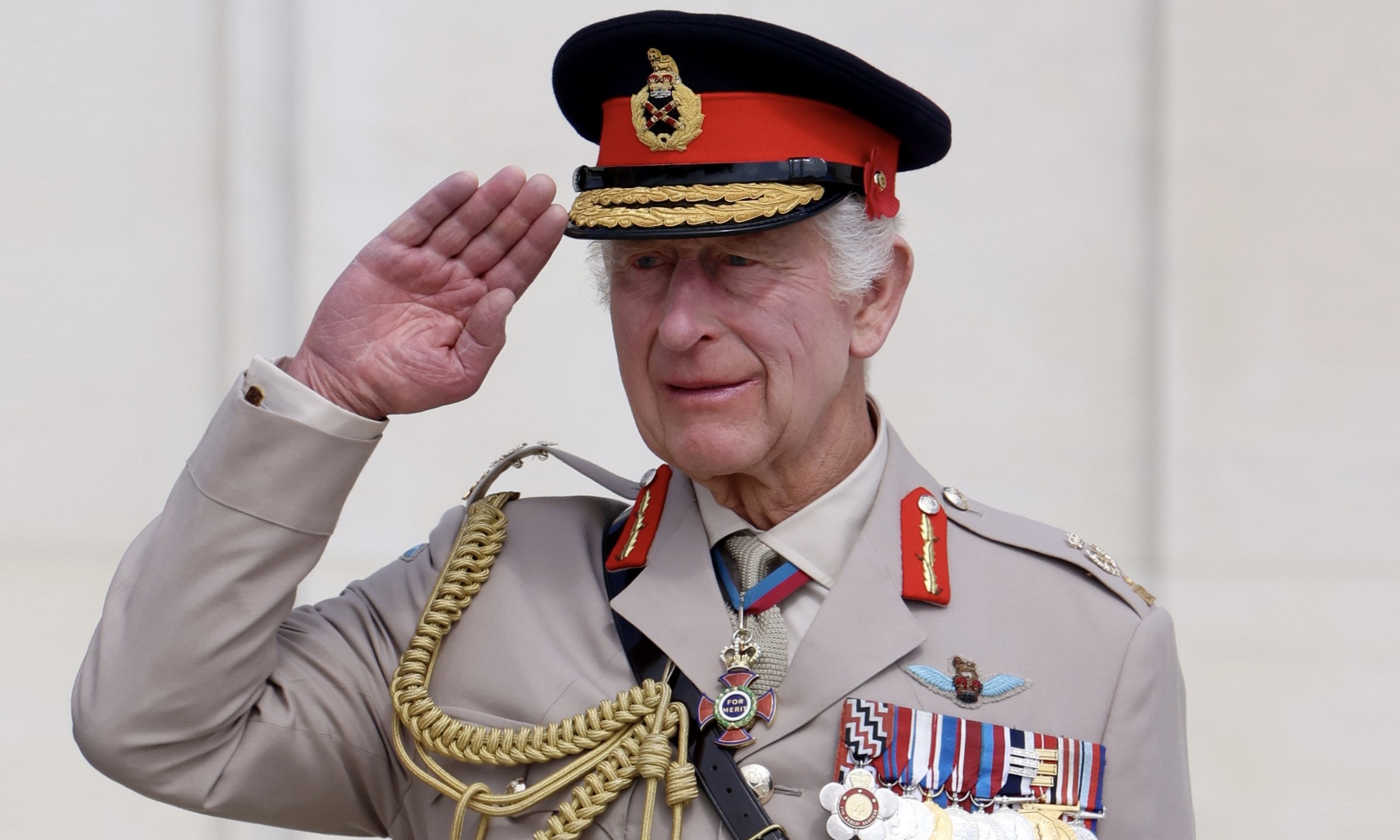
King Charles III is about to do something no British monarch has done before: putting his personal tax bill in front of the public. The figure is due on Thursday, 25 June, when the royal household publishes its annual financial accounts, making the 77-year-old the first UK head of state to reveal what he pays the taxman.
The disclosure covers the 2024-25 financial year. His 2025-26 tax details will follow next year, once those accounts have been audited, Buckingham Palace said.
Charles has done this before, releasing the same information as Prince of Wales. Continuing the practice as sovereign was his own decision, the palace said. It 'has come at the express wish of the King himself, as part of the adaptations carried across since accession.'
Under UK law, the sovereign is not obliged to pay income tax, capital gains tax or inheritance tax. Charles pays the first two anyway, a practice he and his late mother, Queen Elizabeth II, adopted voluntarily in 1993 after a public backlash over royal money, The Guardian noted. The terms were formalised in the Memorandum of Understanding on Royal Taxation, agreed with the government in 2023.
Why the King Is Publishing His Tax Bill Now
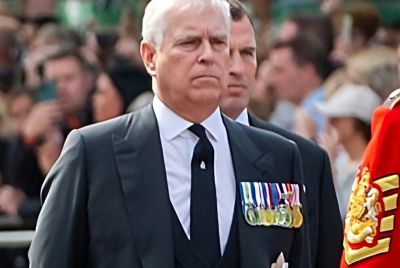
The move follows months of scrutiny over royal finances, much of it centred on the King's younger brother, Andrew Mountbatten-Windsor. Government auditors found this month that Andrew drew a private income from subletting cottages while paying only a token 'peppercorn rent' on a mansion for more than two decades. Parliament's Public Accounts Committee has since opened an inquiry into the residential arrangements granted to royals.
The palace framed the disclosure as part of a wider effort to improve transparency, saying it aims to explain royal finances with greater 'clarity and accessibility' as the household continues to 'modernise and evolve'.
What the King Earns and What He Pays
Most of the King's private income flows from the Duchy of Lancaster, a centuries-old portfolio of land, property, and investments. In 2024-25 it paid Charles £26.8 million ($35.6 million), topped up by his Balmoral and Sandringham estates, investments, and savings. He pays income tax at the prevailing rate on that money, plus capital gains tax on relevant assets. The precise figure is due this week.
Separate from that is the taxpayer-funded Sovereign Grant, which covers official duties and palace upkeep. It is held at £86.3 million ($115 million) in 2024-25 and rises to £132.1 million ($175 million) for 2025-26, largely to fund the refit of Buckingham Palace, the official Sovereign Grant Report shows.
What he does not pay is inheritance tax. When the Queen died in 2022, Charles inherited the Duchy of Lancaster and her private wealth without the 40 per cent levy that falls on ordinary estates above £325,000 ($433,000). The exemption rests on a 1993 deal, announced by then prime minister John Major, which shields assets passing from one sovereign to the next.
Where Prince William's Tax Bill Stays Hidden
The King's disclosure contrasts with the position of his heir. Prince William, 43, takes his own income from the Duchy of Cornwall, a billion-pound estate whose holdings include the Oval cricket ground and Dartmoor prison. The duchy paid him close to £23 million ($30.6 million) last year.
William says he voluntarily pays the top rate of income tax once official costs are stripped out. Unlike his father, he has never put the actual figure on record.
Critics say the step does not go far enough. Norman Baker, a former MP and longstanding scrutineer of royal spending, told AFP that the Andrew affair had 'opened the door' to tougher questions. 'In the end Britons are in the dark about the true cost of their monarchy,' he said.
The full figure lands on Thursday, when the public will see a reigning monarch's tax bill for the first time. It remains unclear whether other senior royals will do the same.
© Copyright IBTimes 2026. All rights reserved.
- Recommended For You