Princess Eugenie's New Baby Won't Receive an HRH Title: Royal Funding and Security Explained
Princess Eugenie's daughter joins the line of succession but is expected to grow up outside King Charles III's slimmed-down monarchy
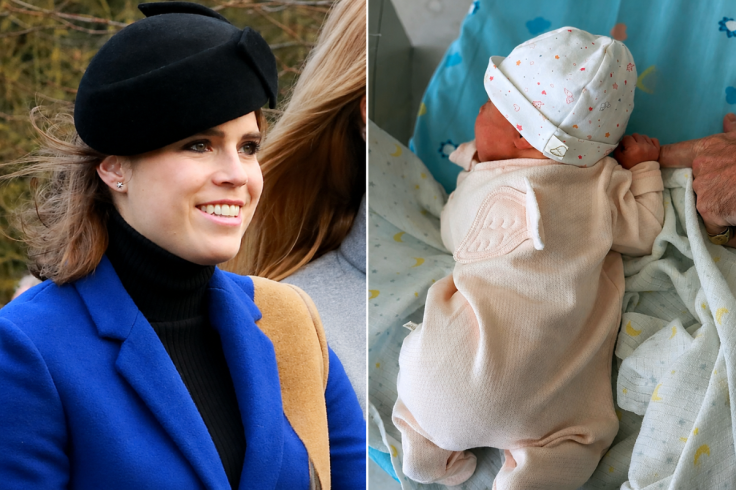
Princess Eugenie has welcomed her third child, a baby girl, with husband Jack Brooksbank. While the newborn joins the line of succession, she will not receive the title of Her Royal Highness (HRH), placing her among a growing number of younger royals expected to lead largely private lives outside the working monarchy.
The announcement has renewed interest in how royal titles influence public funding, official duties, security arrangements, and succession. Although Princess Eugenie's daughter will become 15th in line to the throne, her future will look very different from that of Prince William's children or other senior working royals.
Royal Titles Follow Different Rules
Buckingham Palace confirmed that Princess Eugenie's daughter will not receive the style of His or Her Royal Highness (HRH). Although Eugenie herself is an HRH as the daughter of Prince Andrew, royal styles are generally inherited through the male line under longstanding rules. Because Jack Brooksbank is not a prince or titled royal, their children do not automatically qualify for HRH status.
Like her older brothers, August and Ernest Brooksbank, the new baby will simply use her given name and surname.
An HRH Style Does Not Automatically Mean Public Funding
An HRH style reflects royal status but does not automatically entitle someone to public funding, security, or an official role. However, it does not automatically entitle someone to taxpayer-funded support or an official royal role.
Princess Eugenie and Princess Beatrice both retain their HRH styles, yet neither carries out full-time royal duties on behalf of the King nor receives a public salary for doing so.
Private Income Replaces Public Funding
Princess Eugenie and Jack Brooksbank support their family through private careers rather than public funding. Eugenie works as a director at contemporary art gallery Hauser & Wirth, while Brooksbank has built his career in hospitality and business.
Their daughter is therefore expected to grow up outside the publicly funded structure that supports senior working royals.
Security Arrangements Differ for Non-Working Royals
There has been no indication that Princess Eugenie's newborn will receive permanent taxpayer-funded police protection. In Britain, royal security is determined by risk assessments and official duties rather than titles alone. Working royals undertaking public engagements generally receive different protection arrangements from extended members of the Royal Family who live private lives.
The Baby Joins the Line of Succession
Although she will not receive an HRH title, Princess Eugenie's daughter remains part of the constitutional order of succession. Buckingham Palace confirmed she becomes 15th in line to the throne, moving ahead of her great-uncle, Prince Edward, the Duke of Edinburgh.
The order of succession and royal titles operate under different rules, meaning a person can inherit a place in line to the Crown without holding an HRH style.
Life Outside the Working Royal Family
Princess Eugenie and Jack Brooksbank divide their time between Portugal and the UK while raising their three children. Their family represents the increasingly common model within the monarchy: remaining members of the Royal Family while pursuing independent careers outside royal service.
That approach closely aligns with King Charles III's long-standing ambition to maintain a smaller working monarchy centred on fewer publicly funded royals.
The Birth Reflects the Modern Royal Family
Whether she eventually chooses a public role or a private career, Princess Eugenie's daughter represents the direction King Charles III has set for the monarchy: a smaller core of working royals supported by a wider family living largely independent lives.
Today's Royal Family increasingly distinguishes between those who represent the Crown professionally and those who remain part of the wider family while leading independent lives. As King Charles continues to streamline the institution, Princess Eugenie's growing family offers another example of how royal life is changing for the next generation.
© Copyright IBTimes 2026. All rights reserved.
- Recommended For You