Who Is Dave Dave? Why Some Believe He Was Michael Jackson as Old Footage Fuels 'Still Alive' Claims
Timeline of events challenges claims behind the resurfaced theory
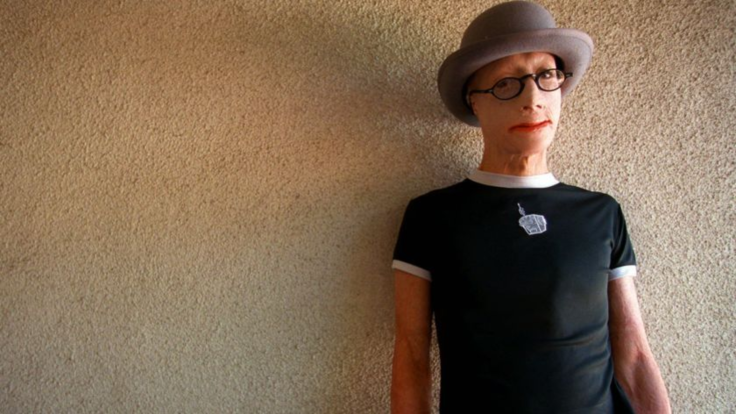
Online conspiracy theories claiming that Michael Jackson is still alive have resurfaced once again, driven by renewed circulation of old interview footage featuring burn survivor Dave Dave. The viral clips have reignited long-standing speculation linking the two figures, despite no credible evidence supporting the claims.
The discussion has spread rapidly across social media platforms, where edited segments of a 2003 television interview have been recirculated and framed as supposed 'proof' of identity switching.
Viral Resurfacing of Old Interview Footage
Interest in the theory has intensified following the renewed circulation of Dave Dave's appearance on Larry King Live in 2003. In the interview, Dave Dave appeared wearing a hooded garment that concealed most of his face, while speaking in a distinctive voice altered by severe burn injuries sustained in childhood.
Clips from the interview have been widely shared on TikTok, YouTube Shorts, and X, often without context. These videos have been linked to claims that Michael Jackson allegedly faked his death and appeared publicly under a different identity.
However, there is no verified evidence supporting these claims, and the footage has been repeatedly misinterpreted in online discussions.
Who Was Dave Dave?
Dave Dave, born David Rothenberg, was a real-life burn survivor who became known publicly for his survival story and media appearances. As a child in 1983, he suffered life-threatening burns in an attack by his father, resulting in extensive injuries and long-term medical treatment.
Over the years, he underwent numerous reconstructive surgeries and later became a public speaker, sharing his experience of recovery and resilience. His appearance on television, including the Larry King Live interview, was part of his documented public life.
Medical records, interviews, and public documentation confirm his identity and history, with no evidence linking him to any impersonation theories involving Michael Jackson.
Why the Conspiracy Theory Formed
The theory suggesting Dave Dave was Michael Jackson is part of a wider internet conspiracy narrative claiming that the singer faked his death in 2009. These claims typically rely on visual interpretation of public footage rather than verifiable facts.
@jumpersjumpextra Micheal jackson still alive!? 😳 #jumpersjumppodcast #jumpersjump #podcastclips ♬ original sound - Jumpers Podcast🎙️
Supporters of the theory point to Dave Dave's covered face, hooded clothing and altered speech patterns as supposed indicators of disguise. However, these characteristics are consistent with his documented burn injuries and medical condition.
The speculation also draws on perceived similarities in voice and mannerisms, which have been widely debated in online forums for years.
The viral discussion is largely centred on Dave Dave's appearance during a televised interview in 2003, which predates the death of Michael Jackson. This timeline is significant because it does not align with claims that Dave Dave appeared publicly as Jackson after his death, undermining a core element of the conspiracy theory.
How Social Media Amplified the Claims
The resurgence of the theory is largely driven by algorithmic amplification of short-form video content. Edited clips from older interviews are frequently reposted without context, allowing misleading interpretations to spread quickly.
Platforms such as TikTok and YouTube have played a central role in resurfacing the debate, with users compiling comparison videos and commentary that frame the footage as evidence of identity concealment.
The lack of context in these reposts has contributed to confusion, particularly among newer audiences unfamiliar with the original interview or Dave Dave's background.
Context Behind Recurring Conspiracy Interest
Experts in online misinformation note that celebrity death conspiracies often persist due to emotional attachment, ambiguity in older media footage, and the viral nature of algorithm-driven platforms. In this case, the combination of a highly recognisable global figure and visually unusual interview footage has helped sustain ongoing speculation.
As the clips continue to circulate, the theory remains an example of how disconnected fragments of archival media can be reinterpreted and amplified into recurring internet narratives.
© Copyright IBTimes 2026. All rights reserved.
- Recommended For You