Convicted Taylor Swift Concert Plotter Apologises For Planned Attack, Calls It The 'Biggest Mistake of His Life'
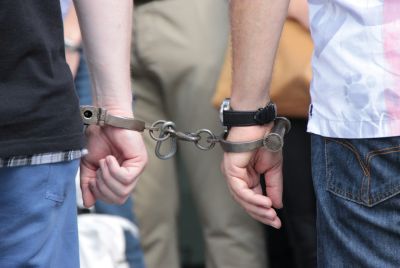
Court finds Beran A guilty of terrorism-related offences for planning attack on Taylor Swift's Vienna concert.
An Austrian man who admitted plotting a jihadist attack targeting one of Taylor Swift's sold-out Eras Tour concerts in Vienna has been sentenced to 15 years in prison after a court found him guilty of terrorism-related offences.
The case centred on a foiled attack that authorities said could have caused mass casualties among the tens of thousands of fans expected to gather at and around Vienna's Ernst Happel Stadium in August 2024. Before judges retired to consider their verdict, the 21-year-old defendant, identified only as 'Beran A' under Austrian privacy laws, issued a brief apology.
'I would just like to say that I am sorry,' he told the court following closing arguments on Thursday, 28 May 2026.
Suspect Expressed Remorse Before Verdict
Beran A was convicted by a court in Wiener Neustadt, south of Vienna, after admitting his involvement in planning the attack. He had been charged with terrorist offences and membership of a terrorist organisation after investigators linked him to Islamic State-inspired extremist activities.
'I would just like to say that I am sorry,' — Beran A
His defence lawyer, Anna Mair, told the court that her client deeply regretted his actions and viewed the plot as 'the biggest mistake of his life'. She argued that he was not an ideological leader but a young man who had become radicalised online.
Prosecutors, however, said the defendant had actively embraced extremist ideology, sworn allegiance to Islamic State and taken concrete steps towards carrying out an attack. The court ultimately agreed and imposed a 15-year prison sentence, although he had faced a potential maximum sentence of 20 years.
A court-appointed psychiatrist, Peter Hoffmann, testified that there was 'no psychiatric explanation' for Beran A's radicalisation and found no evidence of mental illness.
Homemade Explosives And Weapons Hunt
Investigators revealed that Beran A had attempted to acquire weapons illegally in the lead-up to the concerts, including a machine gun and a hand grenade, but failed to complete the purchases.
Prosecutors also said he followed instructions from an Islamic State propaganda video titled 'Make a bomb in the kitchen of your mom' and succeeded in producing a small quantity of the highly volatile explosive triacetone triperoxide, commonly known as TATP.
Authorities alleged that the planned attack would have involved knives and homemade explosives targeting crowds gathered outside the stadium. Up to 30,000 people were expected to congregate outside the venue each night, while around 65,000 concertgoers were due to attend the performances inside.
The suspect was arrested shortly before the first of Swift's three scheduled Vienna concerts after intelligence shared by the CIA reportedly alerted Austrian authorities to an imminent threat.
Concerts Cancelled Amid Extremist Probe
Following the arrests, all three Vienna concerts were cancelled, affecting nearly 200,000 fans and triggering a major security response.
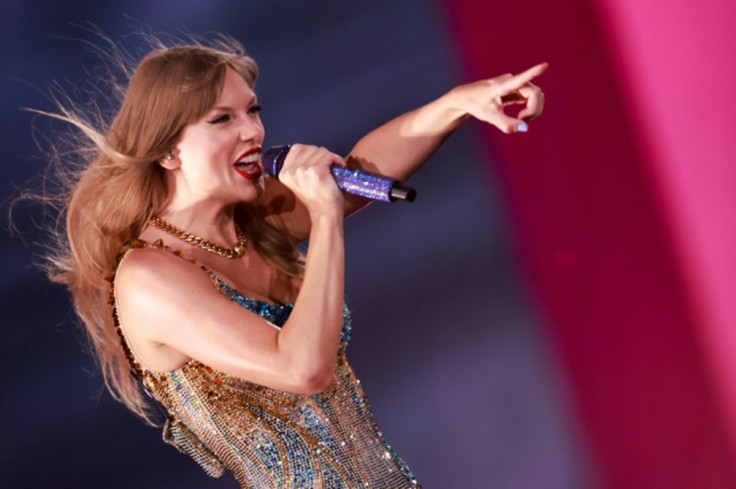
Swift later reflected on the incident, saying the cancellation had been 'devastating' and admitting she felt 'a tremendous amount of guilt because so many people had planned on coming to those shows'. She also described the foiled plot as a situation in which the tour had narrowly 'dodged a massacre'.
Beran A stood trial alongside another 21-year-old defendant from Slovakia, identified as Arda K. Prosecutors said Arda K was not directly involved in the Taylor Swift concert plot but was allegedly linked to a broader Islamic State-connected network.
Investigators claimed the group discussed carrying out coordinated attacks in Saudi Arabia, Turkey and the United Arab Emirates during Ramadan in 2024. A third suspect connected to the alleged network remains in custody in Saudi Arabia awaiting further proceedings.
The case has renewed concerns among European security agencies about online radicalisation and the continuing threat posed to major public events by extremist groups seeking to exploit large gatherings.
© Copyright IBTimes 2026. All rights reserved.
- Recommended For You