'Trump Has Lowered the Bar to Klandom': Oval Office Rant About Somalis Sparking Severe Backlash Online
Critics slam the US President for lowering the bar to 'Klandom' following an unprompted racial outburst during a media briefing
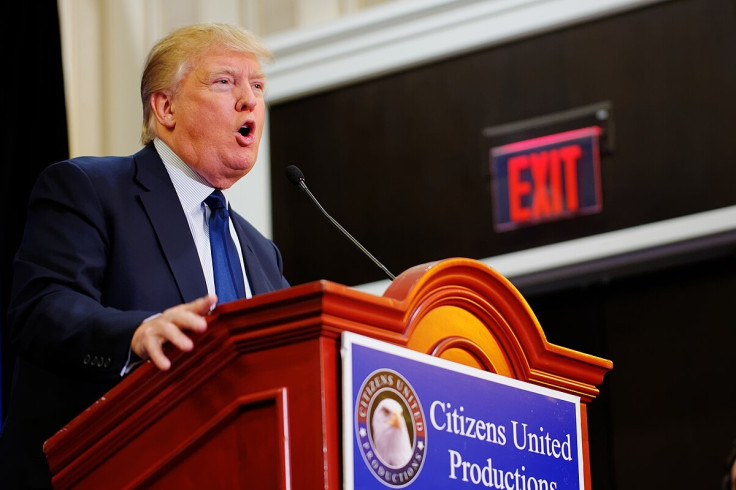
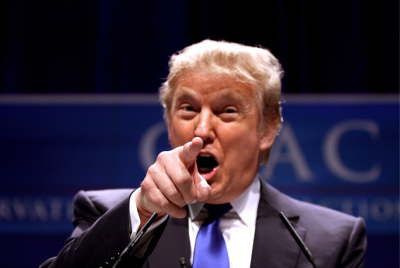
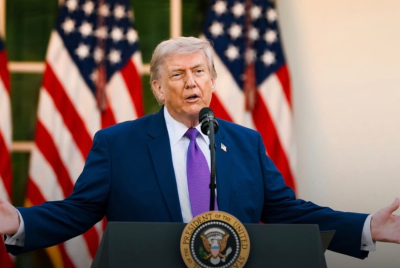
President Donald Trump has ignited a fierce political firestorm and widespread condemnation after launching a racially charged tirade concerning Somali immigrants during an Oval Office media briefing.
Delivering the remarks unprompted while fielding questions regarding upcoming midterm elections, the US President claimed that immigrants arriving from Somalia possess 'no aptitude' and lack intelligence, drawing immediate and intense backlash from civil rights organisations, Somali community advocates, and international observers.
Critics across social media platforms quickly slammed the rhetoric as overtly 'xenophobic', with viral posts arguing that such language has 'lowered the bar to Klandom' for executive conduct.
The inflammatory outburst marks the latest in a recurring pattern of derogatory statements targeting immigrant groups, intensifying a polarised national debate over the normalisation of racially divisive language in American politics.
A Pattern of Dehumanising Rhetoric
This is not the first time Trump has singled out Somalis in demeaning terms. During a cabinet meeting in December last year, he referred to Somali immigrants as 'garbage' and said they should be sent 'back to where they came from,' remarks that were met with silence from many Republicans and alarm from Democrats who warned extremist groups could exploit such rhetoric.
In January, speaking at Davos, he dismissed Somalia as having 'no government' and called Somalis in America 'low-IQ,' prompting anger in Mogadishu and Minneapolis, home to the largest Somali diaspora in the US.
Trump on Somali-Americans: "They're not smart. They have no aptitude. They have nothing going." pic.twitter.com/3mGSnRNCq4
— Aaron Rupar (@atrupar) August 10, 2026
Monday's outburst followed a familiar script. Asked about midterm prospects, Trump claimed 'jihadists' were being elected 'all over the place,' then pivoted to Somalis.
'They come from countries that are not great... They're not smart. They have no aptitude. They have nothing going,' he said, according to reporting by outlets.
He offered no evidence for the 'jihadist' claim and did not name specific candidates, though recent reports have linked his comments to Muslim and immigrant candidates such as Abdul El-Sayed in Michigan.
Online Backlash and Community Reaction
On X and Reddit, users circulated clips of the briefing with captions like 'Just the President of the United States casually saying Somalis aren't smart' and 'Trump is trash.'
One viral post read, 'Until Trump, no GOP president would just openly racially stereotype people like this... Now, Trump has lowered the bar to Klandom.' Another asked, 'How is this racism not front page news?'
In Minnesota, where more than 100,000 people of Somali descent live, community advocates said the comments have stoked fear and anger, especially amid talk of potential federal immigration raids.
In Somalia, residents pushed back against what they called 'ignorant' remarks, with one Mogadishu resident said, 'His derogatory statements about us will ultimately harm his own nation... we no longer respect him.'
Democrats in Congress condemned the language as xenophobic and unacceptable, warning it could endanger US personnel abroad by feeding extremist propaganda. Republican responses were muted, with few breaking ranks to criticise the president directly. That silence, critics say, is part of the problem, it normalises language that would have ended earlier political careers.
Pertinently, Trump has previously described entire nations as 'shithole countries' and targeted other immigrant groups in similar terms, yet faced little political consequence. This latest episode fits that pattern, but the specificity, 'not smart, no aptitude,' feels different, cruder, almost like a throwback to an era when such views could be aired without much pushback. Nothing is confirmed yet regarding any formal censure or White House clarification.
The remarks stand as part of the public record, captured on video and transcribed by multiple newsrooms. Whether these trigger a wider political reckoning remains to be seen. Past controversies have faded quickly in Trump's presidency, but the directness of this attack, on intelligence, on aptitude, on an entire people, has left many wondering if this time might be different, though the controversy highlights deep ideological fractures surrounding race, immigration, and executive accountability in the United States.
© Copyright IBTimes 2026. All rights reserved.
- Recommended For You