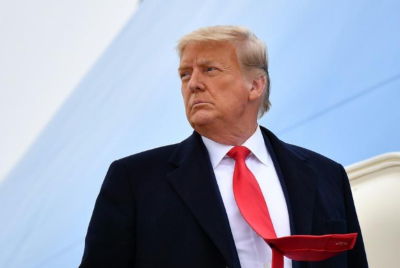
Donald Trump's Sleep Routine Simulates Alcohol Impairment, Poses Serious Global Security Risk: Expert
A viral clip of Trump appearing drowsy has reignited debate over his sleep habits, with an expert warning that chronic fatigue could affect judgement in high-stakes decisions.

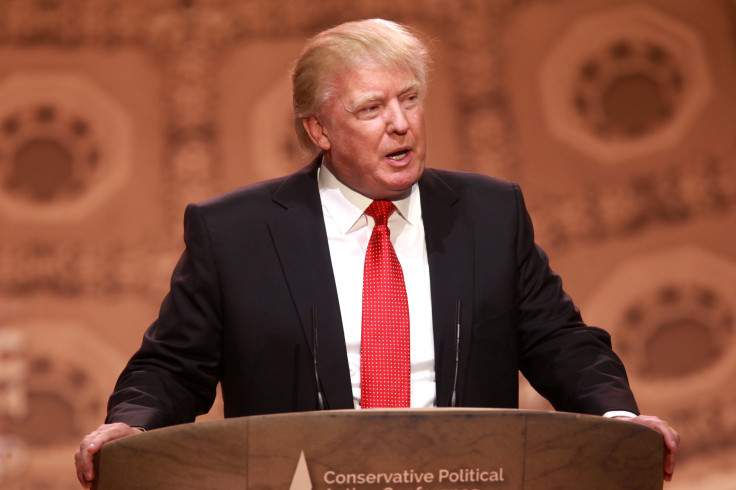
Donald Trump's sleep routine has come under renewed scrutiny after a viral Memorial Day video appeared to show the US President briefly closing his eyes during a ceremony at Arlington National Cemetery on 26 May, prompting a sleep expert to warn that chronic sleep deprivation at the highest level of government could carry serious national security risks.
The footage circulated widely online, with viewers questioning whether Trump had nodded off during Defence Secretary Pete Hegseth's address. The ceremony itself marked the traditional wreath-laying at the Tomb of the Unknown Soldier, where the President also delivered remarks honouring fallen service members. While the moment lasted only seconds, it has fed into a longer-running discussion about Trump's well-documented sleep habits.
Security Concerns
Trump has long claimed he operates on limited rest, often sleeping between three and five hours a night. Accounts from aides and colleagues have described a schedule that stretches past midnight, with the president rising again shortly after dawn. That pattern, sleep coach Tom Coleman argues, is not a sign of resilience but a potential liability.
Coleman, who has more than a decade of experience advising corporate clients, said the Arlington footage offers what he described as 'a glimpse into the biological limit even the most powerful men cannot escape.' He stopped short of diagnosing any condition but raised a broader concern about sustained fatigue in someone with immense decision-making authority.
'Trump has repeatedly framed minimal sleep as a competitive advantage,' Coleman said. 'Validated scientific evidence would suggest the opposite is true.' He added that the demands of the presidency, including travel, irregular hours and constant pressure, can disrupt sleep even under ideal circumstances, making deliberate sleep restriction more consequential.
Coleman's argument rests on established research linking sleep deprivation to impaired cognitive function. According to him, reduced sleep can affect judgement, increase impulsivity and narrow a person's ability to assess risk. In high-stakes political environments, those effects are not abstract.
Alcohol Impairment
Coleman drew a comparison often used in sleep science, equating significant sleep deprivation with alcohol impairment. 'Would you be comfortable boarding a plane if the pilot had been drinking?' he said. 'That is the level of impairment we are talking about when sleep is severely restricted.'
The analogy is not literal, but it reflects how fatigue can dull reaction time and distort perception. Coleman also noted the emotional dimension, arguing that lack of sleep can heighten irritability and reduce tolerance to stress. In diplomatic settings, where restraint and clarity are essential, those changes could alter outcomes in subtle but meaningful ways.
He pointed to military doctrine to reinforce the point, noting that rest is treated as a strategic asset. 'There is a philosophy that the side that sleeps wins,' he said, suggesting that fatigue is not just a personal health issue but a factor in operational success.
There is, however, no official medical disclosure indicating that Trump's sleep habits have affected his performance in office. The White House has not issued a statement addressing the viral video or Coleman's remarks. Without formal medical data, claims about cognitive impact remain interpretive rather than confirmed.
Still, the episode has reopened a familiar question about leadership under strain. Trump has often portrayed his energy and stamina as political strengths, particularly during campaign periods.
Yet experts like Coleman argue that endurance without adequate rest may exact a less visible but more consequential cost.
The Arlington moment may ultimately prove inconsequential, a brief lapse during a long public ceremony. But it has tapped into a broader unease about how leaders manage the basic conditions that underpin decision-making.
In a role where judgement carries global consequences, even small questions about cognitive sharpness tend to resonate beyond the immediate moment.
© Copyright IBTimes 2026. All rights reserved.
- Recommended For You