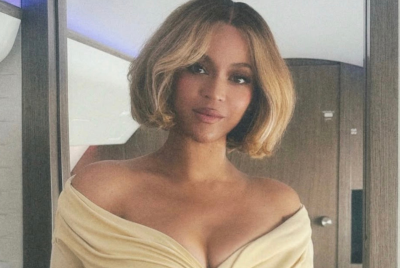
'Like Being Attacked by a Butterfly': Critics Slam Ariana Grande's Feral Album Petal
A deep dive into the confusing, breathy, and undeniably beautiful contradiction of pop's biggest voice deciding to whisper.


American pop superstar Ariana Grande has officially released her eighth studio album, Petal, which she previously marketed as an era of 'unfiltered rage' though early critical reception suggests the record sounds more like a gentle breeze.
Reviewers have been quick to point out the stark contrast between the singer's defiant promotional claims and the actual sonic delivery of the Ariana Grande Petal era, with prominent music critic Neil McCormick comparing the listening experience to 'being assaulted by a particularly lovely butterfly.'
To recall, the 33-year-old vocalist spent the weeks leading up to the release teasing a 'feral' and highly experimental project. She explicitly told interviewers that the music originated from a place she had been too shy or polite to tap into before, effectively declaring a bold and expletive-laden departure from her usual sweetness.
Fans were primed for a fierce reinvention, especially given her recent cinematic turn in the Wicked films, where she showcased Broadway-style lung power and crisp enunciation.
The Sonic Reality of Ariana Grande Petal
The reality of the music tells a wildly different story. Instead of showcasing her renowned four-octave range and whistle register, Grande has opted to mix her lead vocals incredibly low. Her singing is so intimate and breathy that the surrounding production seemingly has to be artificially softened just to ensure she can be heard over the delicate clickety-clack drum machines.
It is a baffling choice for someone universally recognised as our most technically gifted contemporary pop singer. Grande has been scoring global hits since 2013, building a stellar career and cementing her status as a superstar with multimillion sales.
The track Oh Well exemplifies this frustrating dynamic. She sings about bad guys going to hell in a tone that possesses all the substance of candy floss. The production is so airy and mellow that listeners might easily imagine Enya floating past in a daze. It is undoubtedly pretty, but if the arrangement were any flimsier, one might fear the entire song could blow away in a light breeze.
This approach bleeds into her diction, which has become a significant point of contention. Grande exhibits a modern tendency to slide through multiple notes within a single syllable while discarding her consonants.
On the track Nowhere, Nobody, a word as simple as 'alright' morphs into an indistinguishable series of vowels. It is mad to witness such a retreat into breath control immediately following a film project that demanded perfect theatrical articulation.
Lyrical Themes Woven Through Ariana Grande Petal
The record tackles the tribulations of fame, creativity, and the exhausting demands of modern pop fandom. Grande shares production and writing duties with her regular collaborator Ilya Salmanzadeh, while the hitmaker Max Martin steps in for a handful of structurally potent tracks. These include the unstoppable lead single Hate That I Made You Love Me and the ambitious title track itself.
Listeners really have to concentrate to locate the unleashed ire she promised. The album explores the suffocating sense of ownership that demanding fans impose on artists. She asks why people hate to see women endure, questioning if it is truly her fault that audiences surrendered their hearts of their own accord. Yet, delivering these supposedly biting lines with the intensity of mild irritation somewhat undercuts the message.
The title track delves even further into this supposed catastrophe. Grande sings that all her favourite stories end in ruin, declaring that she does not need anyone to save her because she and her music will never die.
It is a bold statement set to an interesting arrangement that carries faint hints of the dark grandeur found on Amy Winehouse's Back to Black. However, that inherent darkness is slightly undermined by the fact that Grande delivers these heavy lyrics as if she is terrified of waking the neighbours upstairs.
She dials up the electronic sci-fi RnB atmospherics that defined her previous three albums, sprinkling the record with random percussive synth noises. It creates a soundscape that is luxurious and seductive rather than genuinely challenging.
The result demands listeners lean in closely to unravel the subtle sonic details and hidden lyrics. With each play, the intricacies drift into sharper focus, proving the singing remains worth the price of admission despite perplexing artistic choices.
Ultimately, her grand rebellion feels like a tiny temper tantrum wrapped in silk. It is a deeply confused era for a pop giant, trying to serve both 'unfiltered rage' and sleepy atmospherics, yet the sheer beauty of her voice somehow makes the whole stuff kind of lovely.
© Copyright IBTimes 2026. All rights reserved.
- Recommended For You