

RMS Titanic Faces Fierce US Government Opposition Over Secretive Four City Auction Plan For Ocean Relics
RMS Titanic Inc. plans to auction over 100 Titanic relics, earning a legal setback from the US government.
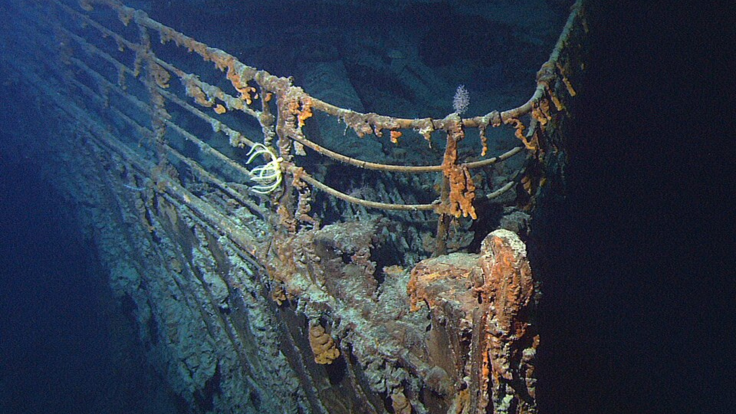
The company that holds exclusive salvage rights to the Titanic wants to auction more than 100 relics from the doomed liner for the first time, and the US government is fighting to stop it.
RMS Titanic Inc., the Georgia-based salvor, has drawn up plans to sell artefacts and send them on a global tour through four cities it has refused to name publicly. Court documents that a federal judge ordered unsealed this month set out the proposal alongside Washington's objection, as the Associated Press first detailed on 22 June 2026.
The dispute reopens a decades-old fight over who controls the relics of the world's most famous shipwreck.
A Salvage Empire Built On A Promise Never To Sell
The legal roots run deep. After the Titanic was discovered in 1985 on the seabed off Newfoundland, a French and American effort that paired the institute IFREMER with the Woods Hole Oceanographic Institution, the salvage of the wreck became possible for the first time. The US District Court for the Eastern District of Virginia named RMST salvor-in-possession on 4 June 1994, granting it exclusive rights over recovered items.
That status came with a condition the company itself proposed. RMST assured the court it would keep the collection together and would not sell individual artefacts, according to the National Oceanic and Atmospheric Administration, which represents the public interest in the wreck.
When the firm later tried to offload items to a newly formed foundation, the court blocked the move and the Fourth Circuit upheld that ruling. The judges held that RMST's remedy was a salvage award conditioned on compliance with preservation terms, not outright ownership under the law of finds.
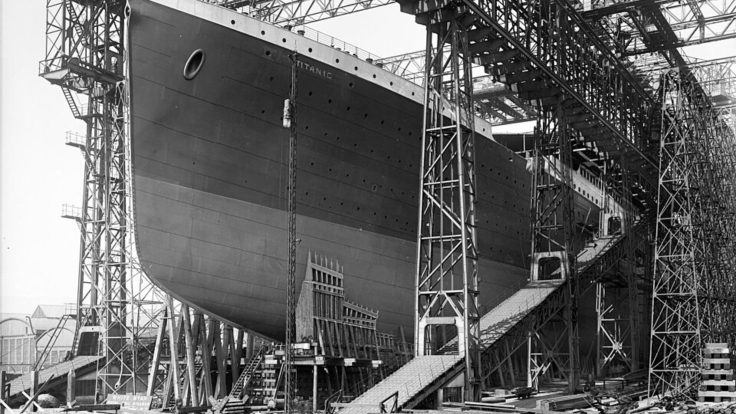
In 2011, the court granted RMST title to artefacts raised between 1993 and 2004, but only subject to a binding set of Covenants and Conditions. Those terms keep the collection intact and conserved to preservation standards, and they hand NOAA the authority to enforce them through the Department of Justice. The promise not to sell is precisely what the government now says the auction would break.
What The Unsealed Filings Reveal About The Auction Plan
The newly public record lists specific pieces the company hopes to sell, among them a bronze cherub, a necklace strung with gold nuggets, and a heart-shaped pendant. RMST has proposed auctioning the items and touring them through four undisclosed cities, a level of secrecy that has sharpened concern among preservationists. The plan would mark the first outright sale of relics from a collection long confined to museums and travelling exhibitions.
In urging the court to prohibit the sale, the government wrote that the company 'does not seek the Court's approval, does not believe that approval is required, and asserts that it is not restricted in its ability to sell' the artefacts.
RMST's attorneys have countered in a federal filing that the proposed arrangement would not violate existing court orders or agreements. The company has also argued that the US court lacks jurisdiction over the earliest items, which were taken to France.
RMST did not respond to the Associated Press's requests for comment. The firm has tried before to monetise the trove, both to fund expeditions and during stretches of financial trouble, only to be rebuffed by US courts, preservation groups, and descendants of the victims.
A Transatlantic Tug Of War Over 5,000 Relics
The first expedition in 1987 raised roughly 1,800 artefacts, which were carried to France, where a tribunal awarded them to the salvager in 1993. The remainder of the collection was recovered on later dives and claimed through the salvage case in Norfolk, Virginia.
NOAA contends that all of the roughly 5,000 items, whether claimed in France or the United States, must stay in one collection under the conditions set by the American court. Salvage crews have raised thousands of objects since 1987, including sizeable sections of the hull, and the company has earned its keep by exhibiting them rather than selling them.
Items that floated free of the wreck sit in a different legal category and have fetched staggering sums. A passenger's life jacket sold for more than £700,000 ($900,000) in April 2026, while a gold pocket watch given to the captain who rescued survivors went for nearly £1.6 million ($2 million) in 2024. The contrast underlines why the salvaged collection, sealed off from sale for thirty years, is so coveted.
Explorers and legal scholars have lined up against the plan. Greg Stone, a veteran ocean scientist, told the Associated Press he would prefer recovery to remain a nonprofit pursuit, while Northeastern University law professor Richard Daynard warned that the relics should not be 'picked up by billionaires for further display of their wealth and power.' The court has yet to rule on whether the sale may proceed.
More than a century after the Titanic went down with over 1,500 souls, the battle over its scattered remains is once again being fought in a courtroom rather than on the ocean floor.
© Copyright IBTimes 2026. All rights reserved.