Warwickshire Council Leader George Finch Under Investigation Following Gender Identity Dispute
Warwickshire Pride filed a complaint as George Finch's remarks on gender identity and library neutrality spark political backlash and renewed scrutiny over public book policies.
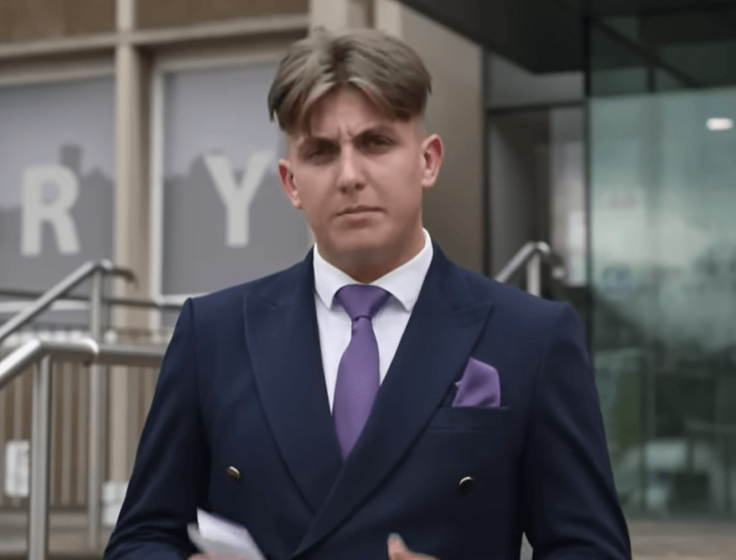
Warwickshire County Council leader George Finch is facing a formal conduct complaint after he suggested that library books touching on gender identity constitute 'contested gender ideology'.
The investigation marks a significant escalation in an already volatile debate regarding the role of public institutions in the ongoing UK culture war. Warwickshire Pride lodged the formal complaint, arguing that Finch's public comments have effectively marginalised the LGBT+ community and challenged the status of diverse literature within the county's library services. The controversy comes at a precarious time for the leader, who is already the subject of multiple investigations into his conduct.
The dispute centres on comments made by Finch in which he argued that libraries should maintain 'political neutrality'. He suggested that children should be taught 'how to be good people, not if they want to be a boy or a girl', creating a direct flashpoint with local advocacy groups. Critics contend that his approach mirrors the restrictive policies of the 1980s, with Labour and Liberal Democrat councillors drawing stark comparisons to the controversial Section 28 legislation. As the investigation into this latest complaint about council leader conduct begins, the row has exposed deep divisions within the authority over the balance between ideological neutrality and the inclusion of diverse lived experiences.
The Trigger For The Conduct Complaint
The tension peaked when Finch expressed his intent to ensure that libraries remain 'family-friendly' by avoiding materials that promote what he termed 'political positions'. He specifically highlighted books involving transgender themes as being at odds with the neutrality he envisions for public spaces.
Warwickshire Pride responded by labelling the remarks as discriminatory. The organisation claimed that treating LGBTQ+ content as an ideology rather than a demographic reality is harmful to the community. While Reform UK councillor Mike Bannister has defended the administration, stating there is no evidence of staff bias, the political fallout has been swift. Opposition leaders have warned that any attempt to censor library stock will be met with stiff resistance, arguing that book selection must remain independent from political interference.
Reform UK's Warwickshire County Council leader George Finch is to face another code of conduct complaint after he said books containing "contested gender ideology" should be removed from libraries.
— BBC Midlands (@bbcmtd) June 11, 2026
Full story: https://t.co/Qz63zTxYhN pic.twitter.com/swdE22EF9I
A History Of Disciplinary Scrutiny
This latest complaint does not exist in a vacuum. George Finch is already under investigation for previous comments that were deemed potentially damaging to a child rape case. That initial ruling remains subject to an ongoing appeals process, leaving his political standing in flux.
Furthermore, investigators are still reviewing social media posts in which Finch compared a fellow councillor, Jan Matecki, to a burglar. These cumulative cases have transformed the narrative of the council leader's conduct complaint into a central issue for the administration. Internal sources suggest that the cumulative pressure from these investigations is beginning to strain the stability of the local government coalition in Warwickshire.
Neutrality Or Censorship?
The debate has widened to include the broader question of how UK local government should manage its cultural assets. Supporters of Finch maintain that public institutions have a duty to remain neutral, particularly regarding materials accessible to children. They argue that parents should have peace of mind regarding the content in council-owned spaces.
However, critics view the move as a dangerous step towards state-sanctioned censorship. The comparison to Section 28, which once restricted the 'promotion' of homosexuality in local authorities, has become a rallying cry for those opposing the current policy direction. This conflict reflects a growing national trend, as local authorities across the country grapple with the reinterpretation of Pride and minority representation programmes.
What Happens Next For Warwickshire Council
The council has remained largely silent, formally classifying the issue as a political matter rather than an administrative one. However, the procedure for handling the complaint is now firmly in motion. The standard local authority protocols will determine whether Finch has breached the code of conduct, a decision that will likely have significant consequences for his political future.
As the investigation proceeds, observers are closely watching to see whether the outcome will set a precedent for other councils navigating similar cultural disputes. For now, the administration continues to work on a broader policy framework aimed at 'neutrality' in public services, even as the political cost of doing so climbs.
© Copyright IBTimes 2026. All rights reserved.
- Recommended For You