Westjet Strike Grounds Flights as Cabin Crew Fight Over the Hours They Work for Free
The strike has disrupted hundreds of flights during Canada's busy August long weekend
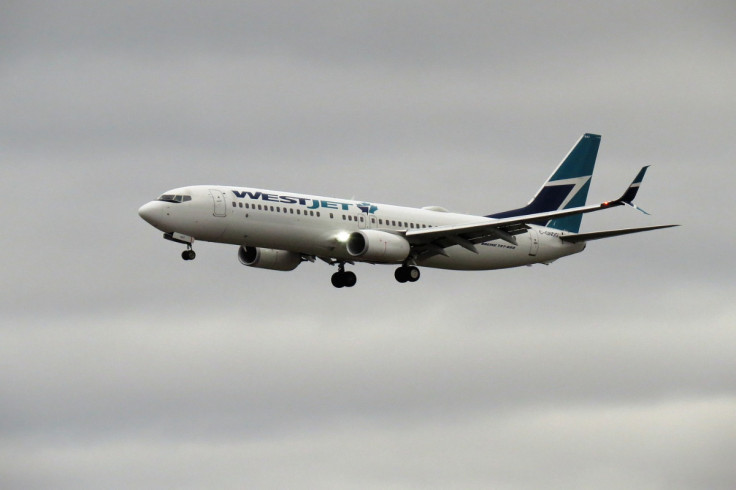
A strike by around 4,400 WestJet flight attendants has disrupted travel across Canada after contract negotiations broke down following nearly 11 months of talks.
According to reports, the industrial action began at 12:01 am Mountain Time on 2 August, grounding hundreds of flights over the busy August long weekend. At the centre of the dispute is the airline's pay system, with the union arguing that cabin crew spend dozens of hours each month carrying out essential duties without receiving separate pay.
Why Westjet Cabin Crew Are on Strike
The walkout involves flight attendants represented by CUPE Local 8125, whose previous collective agreement expired on 31 December 2025. Union members voted overwhelmingly in favour of strike action in July after negotiations failed to reach a new contract.
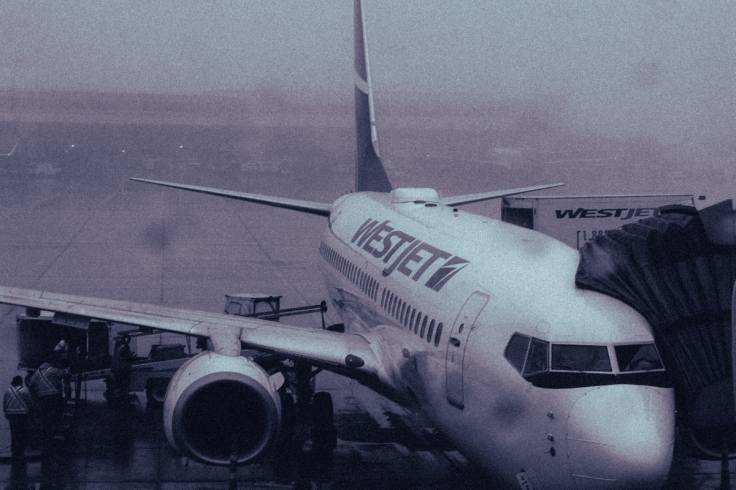
WestJet had issued a matching lockout notice before the strike commenced, but both sides said they continued discussions until the final hours without reaching an agreement.
According to reports, the airline said more than 600 flights had been cancelled by Sunday morning, affecting around 250,000 passengers, while aviation analytics firm Cirium reported widespread disruption across WestJet's Boeing 737 and 787 operations. Regional carrier WestJet Encore and codeshare services continued operating.
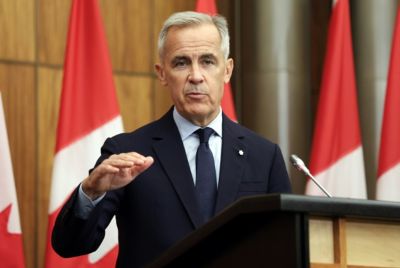
Canada's Jobs Minister Patty Hajdu described the situation as disappointing, saying strikes or lockouts should not prevent both parties from continuing negotiations.
Westjet Strike Dispute Centres on Unpaid Work
The main disagreement concerns WestJet's credit-hour pay system, under which cabin crew are paid primarily for 'block time' – the period between an aircraft leaving the gate and arriving at its destination.
The union argues that the system excludes significant duties performed before take-off and after landing, including boarding passengers, carrying out safety checks, assisting customers during delays, deplaning and completing post-flight responsibilities.
According to CUPE, flight attendants perform up to 35 unpaid hours every month, with junior crew on shorter domestic routes particularly affected. Union representatives argue that, when all working hours are considered, some attendants effectively earn below minimum wage.
'We are on strike because we believe we deserve better. We are ready to go back to the table to settle,' said Alia Hussain, president of the union's WestJet component.
WestJet rejects the claim that cabin crew work without compensation, saying its higher credit-hour rates are designed to account for ground duties and reflect a long-established industry model used across North America.
Westjet Says Pay Offer Addressed Unpaid Hours
After the strike began, WestJet publicly released details of what it described as its final contract proposal.
The airline said it had offered a 13% wage increase for 2026, followed by annual 2.5% rises through 2029, alongside a new duty pay premium equivalent to about 12% of salary to compensate employees for all duty hours. The package also included higher per diems, improved maternity benefits, healthcare spending accounts, additional holiday entitlement and scheduling changes.
The union said the proposal did not go far enough to resolve concerns over unpaid work and other priorities.
Meanwhile, WestJet has advised affected passengers to check their flight status online and said customers whose journeys have been disrupted can request refunds or alternative travel arrangements.
However, some travellers reported long waits to contact customer service as cancellations continued throughout the weekend.
The strike follows similar labour disputes involving Canadian airline cabin crew in recent years, reflecting growing industry-wide pressure to overhaul how flight attendants are paid for work carried out on the ground as well as in the air.
© Copyright IBTimes 2026. All rights reserved.
- Recommended For You