

Study Reveals Growing Support for a 2026 World Cup Boycott Among Young American Adults
Political tensions and high ticket prices fuel calls for a boycott of the 2026 FIFA World Cup.
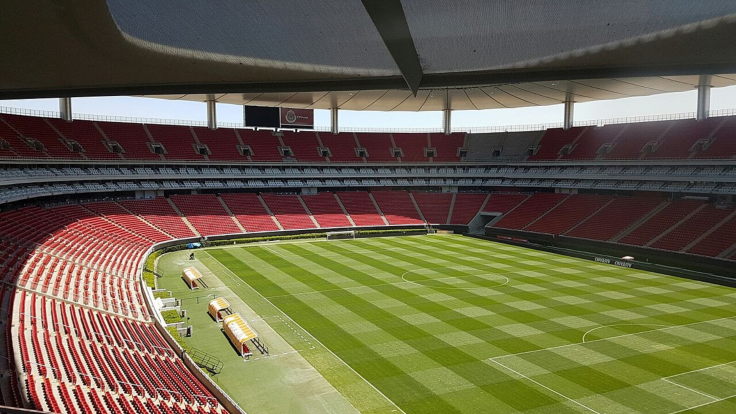
The FIFA World Cup 2026 is set to kick off on Thursday, 11 June, jointly hosted by three nations: the United States, Canada and Mexico. The tournament will run until 19 July, with 48 national teams participating.
Considering the prestigious tournament will be held across multiple stadiums in all three host nations, many Americans are expected to be in attendance for the action. However, with the event increasingly becoming a political flashpoint, calls to boycott the 2026 World Cup have emerged.
As an example, there is currently a petition in the Netherlands calling for the Dutch national team to withdraw. The petition has allegedly already amassed over 163,000 signatures. Meanwhile, German and French politicians have also reportedly considered the prospect of boycotting the tournament.
Alarming as it may seem, a notable finding is that resentment surrounding the 2026 World Cup also extends onto US soil. According to a survey conducted by SeatPick, some Americans have indicated they would support a boycott of the World Cup. The research found that among those aged 18 to 24, 39.2% of respondents would boycott the tournament, more than double the national average of 17%.
Gen Z Make Up Majority of Potential World Cup Boycotters
In the key findings of the study, it was found that the majority of those comprising the 39.2% were Gen Z Americans. The reasons identified behind this sentiment stem from resentment within this age group towards various political factors. These include concerns surrounding immigration enforcement, civil liberties, US President Donald Trump's foreign policy, and the perceived legitimacy of the United States as a host nation.
'The generational gap here is extraordinary. Young Americans are not just less enthusiastic about the World Cup, a meaningful proportion of them actively want to see it boycotted. That is a finding the tournament's organisers and commercial partners need to understand. This generation will be the sport's audience for the next 40 years,' SeatPick CEO Gilad Ziberman said.
Going deeper into the figures shared, it was found that one in five US adults would be likely to support a boycott of the 2026 World Cup. It was also noted that nearly two in 10 Americans were unaware that the World Cup was taking place at all, while the lowest proportion of boycotters came from those aged 55 and above.
Regional Boycotts by the Numbers
Beyond age groups, the research also outlined the likelihood of boycotts across different US regions. Phoenix topped the list, with 32% of respondents allegedly backing a boycott of the 2026 World Cup. Los Angeles followed at 29.5%, while Atlanta ranked next at 28.1%.
In terms of gender, the study also shared how men were more likely than women to support a boycott. Men were most likely to back a boycott (36.4%), while women were more inclined to remain neutral, with 58.5% stating they were neither for nor against.
Among those who did support a boycott, men (21.6%) were more likely than women (13.8%) to back one — suggesting that when women engage with the issue, they are more likely to oppose a boycott.
Pricey World Cup Tickets Won't Help
For the United States, these findings present a concerning outlook for a prestigious tournament that is traditionally widely followed. While the political dimensions are understandable, particularly with the Middle East crisis ongoing, tournament-related issues appear to compound the growing resentment.
Ticket prices to attend the matches have not sat well with fans. FIFA has priced group-stage tickets at $140, while regular seats for the 19 July final outside New York were listed at up to $8,680, with hospitality seats reaching as high as $73,200. Prices for the final were later raised to $10,990, and subsequently $32,970, according to a report by the Associated Press.
FIFA President Gianni Infantino attempted to justify the pricing, likening it to average ticket prices seen in other major US sports, particularly during playoff stages.
'If you sell it at a lower price point (...) in this particular market it would have gone — which is perfectly legal in this country — into secondary markets at much, much higher prices. And where would the money go then? To those who organise secondary markets or black-market activities, and not to football,' the FIFA chief explained in an Associated Press report.
With multiple factors at play, it remains to be seen whether people will attend the 2026 World Cup in person. There will undoubtedly be fans watching, but attendance figures may fall short of projections, particularly when compared to previous World Cup editions.
© Copyright IBTimes 2026. All rights reserved.