

Poisonous Pufferfish Threaten Mediterranean Beaches: 'They'll Cut Off Your Finger,' Warns Fisherman
The spread of toxic pufferfish in the Mediterranean raises alarms for fishermen, tourists, and marine ecosystems.
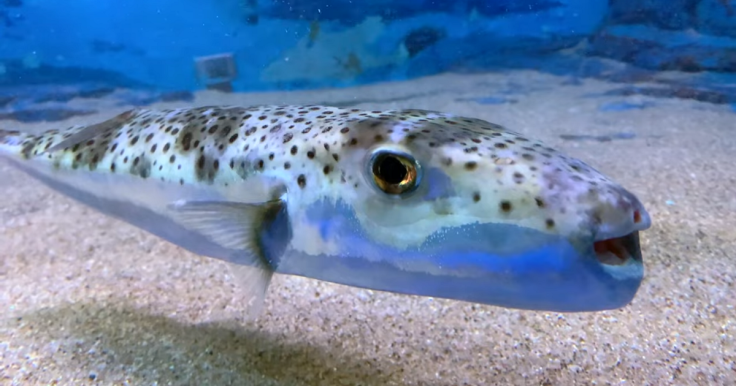
A growing invasion of poisonous pufferfish is alarming fishermen, marine experts and holidaymakers across the Mediterranean, with reports of severe injuries, damaged fishing equipment and mounting fears for coastal ecosystems.
The warning from those working on the water is stark. These fish are not only highly toxic but capable of inflicting serious injuries with a single bite.
'If one of them bites you, it will simply cut off your finger,' Cretan fisherman Alexis Charalampakis told the media while handling one of the fish during a recent fishing trip off the Greek island. 'They don't leave anything behind.'
The invasive species has become increasingly difficult to control. Despite growing awareness of the problem, eliminating the species has proved extraordinarily difficult.
An Unwelcome Arrival Spreading Across the Region
Known as the silver-cheeked toadfish, the species originates from the Indian and Pacific Oceans but has steadily expanded its range into the Mediterranean through the Suez Canal. Marine scientists classify the migration as one of the most successful marine invasions in the region's modern history.
The fish can grow to nearly three feet in length and is instantly recognisable for its ability to inflate when threatened, earning it the common names pufferfish and blowfish.
Scientists say the species' particular problem is its combination of aggression, resilience and adaptability. Equipped with four fused teeth that form a powerful beak-like structure, the fish can bite through fishing lines, nets and even hard-shelled prey with remarkable ease.
For Mediterranean fishermen, that ability has translated into escalating costs and declining catches. Charalampakis said he recently spent five days repairing nets after pufferfish tore through them while attempting to reach trapped octopus, cuttlefish and other commercially valuable species.
'If it weren't my boat, I would have left this profession a long time ago,' he said.
Reports from fishermen across Greece, Cyprus and Turkey suggest similar experiences, with damaged gear becoming an increasingly common part of daily operations.
Growing Concerns for Swimmers
The threat extends well beyond the fishing industry. Earlier this week, an elderly woman swimming near Varkiza, a popular coastal area close to Athens, required medical treatment and stitches after being bitten by a pufferfish.
While such incidents remain relatively uncommon, marine researchers have documented bite cases across several Mediterranean countries, including Greece, Turkey, Cyprus, Libya and Syria.
One of the most serious recorded injuries involved an eight-year-old girl in southern Turkey who reportedly lost a finger following a pufferfish attack while swimming.
What makes these encounters especially troubling is the sheer force of the fish's bite. Their powerful jaws are designed to crush shellfish and other hard-bodied prey, allowing them to inflict injuries that can require significant medical treatment.
For beach destinations that rely heavily on tourism, reports of aggressive fish attacks present an additional concern during the busy summer season.
A Deadly Toxin Adds Another Risk
The physical injuries caused by pufferfish are only part of the danger.
The species contains tetrodotoxin, one of the most potent natural neurotoxins known to science. The toxin can cause paralysis by blocking signals within the nervous system and, in severe cases, can prove fatal.
'Tetrodotoxin causes muscle paralysis, blocks the nervous system, and can lead to death,' Stefanos Kalogirou, associate professor at the Agricultural University of Athens, has warned.
Because of those risks, European regulations prohibit pufferfish from entering the commercial seafood market.
The toxin cannot be neutralised through ordinary cooking methods, making accidental consumption particularly dangerous.
Fishermen Seek Support as Numbers Rise
The fish reproduce successfully in Mediterranean waters and have few natural predators capable of controlling their numbers. As a result, fishermen say the challenge grows more demanding each year.
'The work gets harder every year,' fisherman Kostis Zavlakakis said.
Industry groups have increasingly called for financial incentives to encourage large-scale removal efforts. Some point to neighbouring Cyprus, where authorities have introduced programmes aimed at reducing pufferfish populations by compensating fishermen for catches.
The debate highlights a broader struggle facing Mediterranean countries as invasive species continue to reshape marine ecosystems, disrupt local industries and place additional pressure on already stressed fisheries.
Ironically, pufferfish are considered a delicacy in Japan, where specially trained chefs prepare the dish known as fugu under strict regulations. Even there, however, the fish's reputation rests as much on its danger as its culinary appeal.
© Copyright IBTimes 2026. All rights reserved.