How Rich Is King Charles? Inside the Royal Fortune, Estates, Investments, and Income
King Charles's net worth is estimated between around £680M and over £1.8B, depending on the source and assets considered
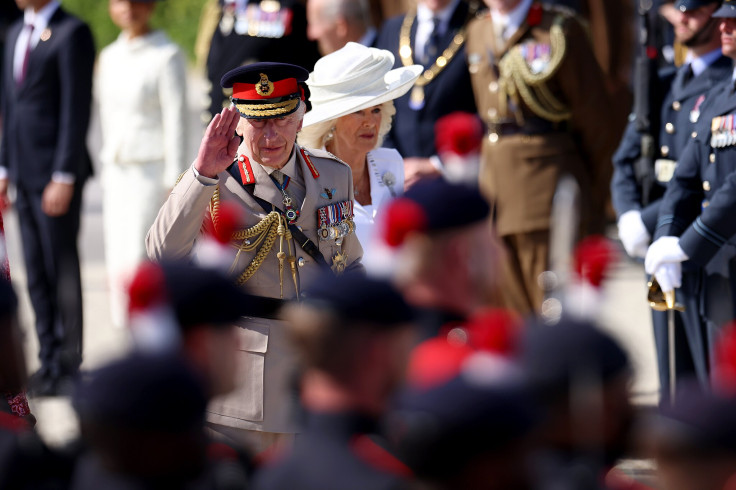
Estimates of King Charles III's net worth range from £680 million to more than £1 billion, making him one of Britain's wealthiest public figures and fuelling ongoing debate about how royal fortunes are calculated.
Unlike most billionaires, the King's wealth comes from a complex mix of inherited assets, private estates, investments, and royal income streams accumulated over centuries. While some assets belong personally to the monarch, others are linked to the institution of the Crown, making it difficult to determine exactly how much he is worth.
What Is King Charles' Net Worth?
The most widely cited estimate comes from the Sunday Times Rich List, which values King Charles' net worth at approximately £680 million.
Other estimates have been significantly higher. A Guardian investigation suggested the King's wealth could exceed £1.8 billion when taking into account various assets associated with the monarchy.
The difference reflects the unusual structure of royal finances. Some calculations focus only on assets personally owned by Charles, while others include collections, investments, and properties connected to his role as sovereign.
Unlike traditional entrepreneurs or business leaders, the King's wealth cannot be neatly separated from the institution he represents.
The Duchy of Lancaster Generates Millions Each Year
One of the most important sources of royal income is the Duchy of Lancaster.
Founded in 1351, the estate belongs to the reigning monarch and generates revenue through land, agricultural holdings, commercial property and investments across England and Wales.

According to its latest accounts, the Duchy of Lancaster held net assets worth approximately £679 million and generated annual income of £24.4 million.
The estate's income is separate from the Sovereign Grant and is widely regarded as one of the King's most significant private sources of funding.
How Queen Elizabeth II's Inheritance Increased His Wealth
King Charles' fortune expanded substantially following the death of Queen Elizabeth II in September 2022.
Although the exact value of the inheritance remains unknown because royal wills are sealed, reports suggest the King inherited significant investment holdings and private property assets.
Some estimates place the inherited investment portfolio at around £150 million, while inherited properties have been valued at roughly £250 million.
The transfer was particularly significant because assets passed directly from one monarch to another are exempt from inheritance tax, helping preserve royal wealth across generations.
The £1.3 Billion Estate That Passed to Prince William
Becoming king also meant giving up one of the monarchy's most valuable assets. The Duchy of Cornwall automatically passed to Prince William when Charles ascended the throne. The estate is estimated to be worth around £1.3 billion and generates millions of pounds annually.
The transfer highlights a lesser-known aspect of royal finances: some of the monarchy's most valuable assets are tied to specific roles rather than individual family members.
Why Some Royal Income Sources Have Sparked Controversy
Royal finances have also attracted scrutiny in recent years.
One area of debate involves bona vacantia, a centuries-old legal process under which certain assets belonging to people who die without a will or known heirs pass to the Duchy of Lancaster in parts of north-west England.
The arrangement has prompted criticism from campaigners and renewed debate about whether the system remains appropriate in modern Britain, particularly because the Duchy can benefit from assets that would otherwise have no legal claimant.
The Duchy of Lancaster has said funds received through bona vacantia support charitable activities and public-interest projects. It has also announced plans to direct more than £100 million into ethical investment funds.
The issue highlights the ongoing public interest in how royal wealth is generated and managed, especially when historic institutions continue to play a role in modern finances.
Does the Sovereign Grant Make King Charles Richer?
One common misconception is that the Sovereign Grant forms part of the King's personal wealth. The grant is public funding used to support official royal duties and maintain royal properties. For the 2026-27 financial year, it stands at a record £137.9 million.
However, the money is not personal income. Instead, it funds the operation of the monarchy and official engagements carried out by members of the royal family. This distinction is one reason estimates of King Charles' net worth vary so widely.
Why His Wealth Remains Difficult to Measure
Whether King Charles is worth £680 million, more than £1 billion or somewhere in between depends largely on how royal assets are valued. Some analysts focus strictly on personally owned wealth, while others include inherited collections, investments and property interests associated with the Crown.
What remains undisputed is that the King benefits from a combination of inherited assets, private estates, investments, and income streams unlike those available to almost anyone else in Britain. That unique financial structure has made him one of the country's wealthiest public figures and ensured continued fascination with the true size of the royal fortune.
© Copyright IBTimes 2026. All rights reserved.
- Recommended For You