Netanyahu 'Humiliated' by Trump Over Iran Deal, May 'Set the Middle East Ablaze,' Haaretz Warns
Israeli PM Netanyahu's political standing is challenged by a US-Iran deal, risking regional tensions

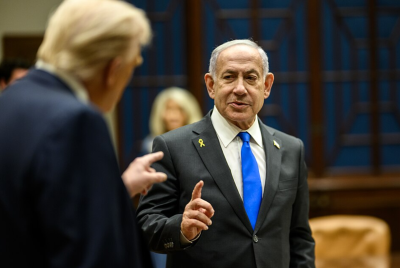
Israeli Prime Minister Benjamin Netanyahu has been left politically exposed following the emergence of a US-Iran deal, with Israeli newspaper Haaretz warning, in a stark analysis, that he may 'set the Middle East ablaze' in response. The piece, written by Haaretz editor Esther Solomon and published on 14 June, describes Netanyahu as 'humiliated by Trump on the Iran front' — a characterisation that has since reverberated across international media and reignited scrutiny of his standing both regionally and at home.
The analysis argues that the terms of any US-Iran agreement are unlikely to reflect favourably on Netanyahu's repeated promises to crush the Iranian regime. With Israeli elections scheduled for October 2026, the prime minister now faces a widening gap between his own rhetoric and the diplomatic reality being shaped in Washington, one in which Israel appears to have had little meaningful input.
NEW: Netanyahu reportedly “humiliated” by Trump-Iran deal, may choose to “set the Middle East ablaze” in response according to Haaretz.
— Dominic Michael Tripi (@DMichaelTripi) June 15, 2026
Beirut Strike and a Broken Deal
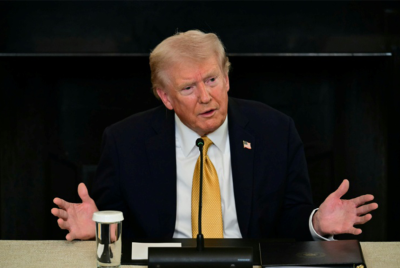
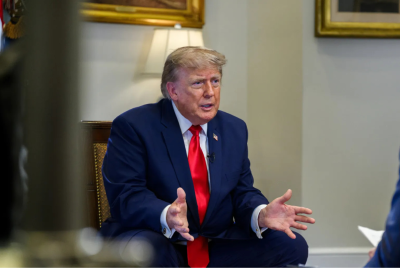
The tension between Netanyahu and Trump erupted publicly on Sunday when Israeli forces struck Beirut just hours before the United States and Iran were set to formalise their agreement. Trump called Netanyahu directly after learning of the strike, saying: 'Why did Bibi have to do a f**ing attack? I was so pissed off. I let him know. He has no f**ing judgement.'
Fox News correspondent Trey Yingst also reported that Trump told him he had called Netanyahu and asked, 'What the f*** are you doing?' — urging him not to conduct additional strikes against Hezbollah targets with a deal on the verge of being signed. The Israeli military notified the US Central Command shortly before the Beirut strike was carried out, Israeli and US officials said. Lebanon's civil defence agency confirmed at least three people were killed and seven others wounded in the Dahiyeh area.
On His Own
The fallout did not stop there. According to a Times of Israel report, Netanyahu subsequently called off a major planned strike on Iran after Trump warned him directly: 'Bibi, you better be careful, or you will be on your own very soon.' The report said Netanyahu had fighter jets on the runway before standing down, later telling the Israeli public he would halt attacks on Iran 'for now.'
Trump, for his part, made clear his position: if a deal with Iran was reached, further Israeli strikes would be unnecessary. If talks collapsed, he said, the US could lead a fresh strike. That framing left Netanyahu with little room to manoeuvre, caught between domestic election pressure and a White House increasingly dictating the pace and terms of the regional agenda.
🇺🇸🇮🇷🇮🇱 “The terms of a US-Iran agreement are unlikely to be kind to Netanyahu's extravagant promises to crush the ayatollahs. With election pressure rising, he seems intent on taking out his desperation on Trump, Iran and the wider MidEast.”@EstherSolomonhttps://t.co/KMUSjrkFfS pic.twitter.com/6Xnc1CeIGd
— Karim Emile Bitar (@karimbitar) June 15, 2026
Election Pressure and a Shrinking Room
The Haaretz analysis frames Netanyahu's predicament in stark terms, suggesting his actions are being driven as much by domestic politics as by security calculations. His longstanding pledge to 'crush the ayatollahs' now sits uncomfortably alongside a US-brokered deal that grants Tehran significant leverage — a point noted by critics across the Israeli political spectrum.
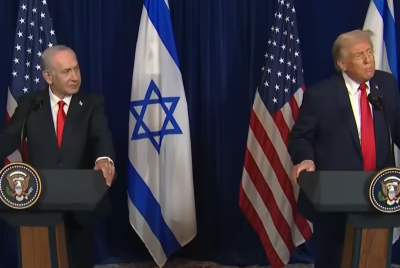
The rift between Netanyahu and Trump marks a significant shift in one of Washington's most closely watched bilateral relationships. With Israeli elections approaching and a fragile US-Iran agreement now in place, the coming weeks will test whether Netanyahu can recalibrate his position — or whether, as Haaretz warns, his political desperation leads to a broader regional escalation with consequences far beyond Israel's borders.
© Copyright IBTimes 2026. All rights reserved.
- Recommended For You