Uncensored No More? The Personal Attack That Stopped Piers Morgan Short
A heated exchange on 'Piers Morgan Uncensored' spirals into personal territory, leading to an unexpected walk-off.

British broadcaster Piers Morgan has built a reputation on combative interviews, but a recent episode of Piers Morgan Uncensored exposed the limits of that approach when a live exchange spiralled into personal territory.
The confrontation, involving controversial influencer Harrison Sullivan, ended with Morgan abruptly walking off his own show, marking a rare moment where the host lost control of the narrative he typically dominates.
A Clash That Escalated Rapidly
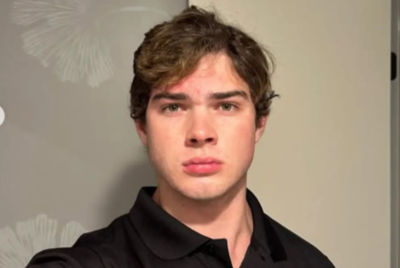
The interview, intended as a debate on controversial 'manosphere' views, quickly turned hostile. Sullivan, known online as HSTikkyTokky, has gained notoriety for provocative takes on gender and sexuality, which Morgan challenged directly during the segment.
⚡️During a heated Piers Morgan Uncensored segment, host Piers Morgan abruptly ended the interview and walked off after guest HSTikkyTokky (Harrison Sullivan) referenced Jeffrey Epstein connections and brought up personal remarks/photos involving Morgan's wife.
— Vitamvivere (@Vitamvivere) March 18, 2026
Morgan stated:… pic.twitter.com/xrNQaPCAfD
Tensions escalated when Morgan labelled the influencer a 'sexist, misogynist, homophobic twerp' during the exchange. The confrontation, already volatile, intensified further when Sullivan defended his views, including remarks Morgan described as 'as homophobic as you can get.'
At this point, the interview had already shifted from debate to outright conflict, but the real breaking point was still to come.
The Personal Line That Changed Everything
The turning point came when Sullivan introduced a 2022 Instagram post featuring Morgan's wife, journalist Celia Walden, displaying it live on air.
Mocking the image, Sullivan taunted:
'That's your girl.'
The move reframed the exchange from ideological disagreement to personal provocation that visibly unsettled Morgan.
Moments earlier, the influencer had already inflamed tensions by making inflammatory claims, including:
'I don't agree with you going to Epstein's island.'
Morgan firmly rejected the allegation, responding:
'I never met the man, never went to his island.'
The exchange marked a complete breakdown in any semblance of constructive dialogue.
The Walk-Off Moment
With the discussion spiralling, Morgan attempted to bring the interview to a close before ultimately abandoning it altogether.
'You know what? I'm not doing this. Sorry guys. It's pointless.'
He then left the set, cutting the segment short.
The moment was striking not just for its abruptness, but for what it represented: a host known for pushing boundaries stepping back when those boundaries were turned against him.
When Debate Becomes Spectacle
The clash highlights a recurring issue in modern broadcast media — the fine line between debate and spectacle.
Morgan had earlier challenged Sullivan over controversial statements, including remarks about disowning a gay child, which he described as 'brazenly homophobic.'
Yet the interview's collapse suggests that once personal attacks enter the equation, the framework of debate becomes unsustainable.
What followed was not an exchange of ideas, but a contest of provocation.
A Format Built on Risk
Piers Morgan Uncensored is designed to thrive on confrontation. As a digital-first platform, it operates with fewer traditional constraints, allowing for more volatile exchanges.
But that freedom comes with inherent risk.
In this case, the very format that enables sharp, unfiltered debate also allowed the conversation to spiral beyond control, culminating in a moment where the host himself chose to disengage.
The Viral Fallout
Clips of the incident quickly spread online, fuelling discussions about free speech, platforming controversial figures, and the ethics of personal attacks in live media.
For some viewers, Morgan's exit was justified, a refusal to engage with what appeared to be bad-faith provocation. For others, it exposed the contradictions of a show built on inviting controversy while attempting to contain it.
The Limits of 'Uncensored'
The irony is difficult to ignore. A programme branded Uncensored ultimately reached its limits when the tone shifted from argument to personal attack.
Morgan's walk-off was not merely a reaction to a single remark, but to the cumulative escalation of the exchange.
In the end, the episode serves as a reminder that while controversy drives attention, it also invites instability, and when that instability turns personal, even the most seasoned provocateurs can decide it is no longer worth the fight.
© Copyright IBTimes 2026. All rights reserved.
- MOST POPULAR IN Entertainment