

UK Bans Chemical Used in Gel Nails Over Fertility and Reproductive Concerns as Salons Face New Rules
Britain has banned the controversial chemical, but your salon may still be using it legally, leaving gel manicure customers question if the polish are TPO-free
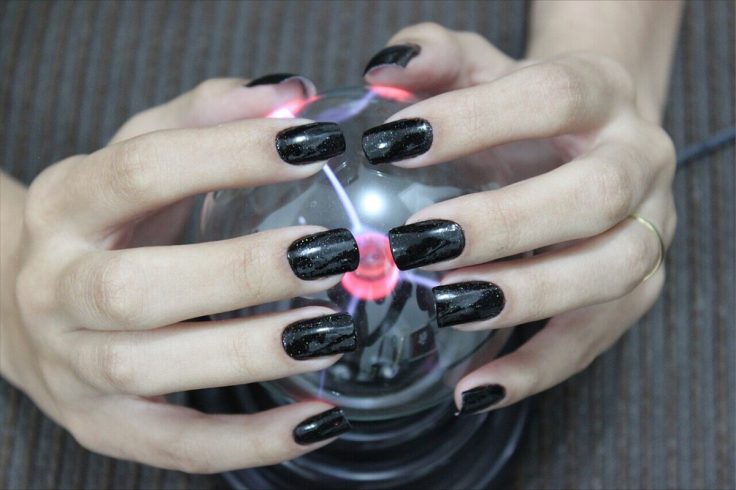
The Great Britain TPO ban is now taking effect, but gel manicures themselves have not been banned. From 15 August 2026, manufacturers and importers can no longer place cosmetic products containing trimethylbenzoyl diphenylphosphine oxide, or TPO, on the Great Britain market.
Yet products already legally placed on the market can continue to be supplied until the next phase of the restrictions takes effect. That means the bottle sitting in a salon today could still legally contain the chemical regulators are phasing out.
And that is where the story gets much more interesting than the phrase 'gel nail ban' suggests.
New UK regulations coming August 15, 2026, will restrict the chemical TPO in gel nail products. Officials clarify that gel manicures remain legal and safe for use across the country under the new guidelines. What this means for your next salon visit. pic.twitter.com/xZy3CyTfDd
— Azat TV (@azattelevision) August 17, 2026
Why TPO Is Being Removed
TPO is a photoinitiator, essentially an ingredient that helps certain gel nail products cure when exposed to UV or LED light. It has been widely used because it helps produce the durable, glossy finish customers expect from gel manicures.
The concern is not that TPO makes nails weak or damages the polish. Regulators have classified it as a Category 1B reproductive toxicant following animal studies that raised concerns about potential effects on fertility and reproduction.
That classification ultimately led to its addition to the list of prohibited cosmetic ingredients under Great Britain's amended cosmetics regulations.
But there is an important distinction that should not get lost in the alarming headlines: TPO's hazard classification does not establish that receiving an ordinary gel manicure causes infertility in humans.
What the Fertility Evidence Actually Says
The fertility debate surrounding TPO and reproductive health is largely about the chemical's hazard classification and the exposure levels used in toxicological testing.
The Cosmetic, Toiletry and Perfumery Association (CTPA) has stressed that the reproductive-toxicity classification is based on a 'worst-case' assessment rather than how TPO is typically used in cosmetic products.
Caroline Rainsford, the CTPA's director of science, has said the amount used in nail products is more than 1,000 times lower than levels associated with potential negative fertility effects.
Girlies!!
— Dr. Catherine Kyobutungi Muzukulu wa Bityo (@CKyobutungi) August 18, 2026
Here's another toxic products that's just been banned in the EU and UK.
TPO that is used in UV-cured gel polishes.
A ban in your sh*thole country might happen in the year 2136, so take note! https://t.co/IAHJjQjGtb
The European Commission has also noted that an earlier scientific assessment concluded TPO was safe in certain professional UV-cured nail gels at concentrations of up to 5%.
However, that assessment predates TPO's newer Category 1B classification and therefore does not override the subsequent regulatory prohibition. That does not make the regulatory decision meaningless.
Rather, it highlights the difference between identifying a chemical's hazardous properties and determining the risk posed by a particular level of exposure. In other words, 'classified as a reproductive toxicant' and 'gel nails cause infertility' are not equivalent claims.
The Dates Every Salon Customer Should Know
Great Britain's transition is being introduced in stages. 15 August 2026 marked the first major deadline. From that date, manufacturers and importers could no longer place TPO-containing cosmetics on the Great Britain market.
The next major date is 14 February 2027. After that point, TPO-containing cosmetic products can no longer be made available on the Great Britain market, effectively ending further commercial supply of existing stock.
However, CTPA guidance, following discussions with Trading Standards, says beauty professionals may continue using TPO-containing products they legally acquired before the off-shelf deadline until the stock is used up. They cannot purchase additional supplies after that deadline.
That is the detail many consumers are likely to miss. So a product can effectively be banned from further supply while existing professional stock remains legally in use.
Great Britain Is Not the Same as the UK
There is another important distinction. The 2026 rules apply to England, Scotland and Wales. Northern Ireland follows EU cosmetics legislation under post-Brexit arrangements, and TPO has already been prohibited there since 1 September 2025.
The EU moved first, meaning the British phase-out is part of a wider European regulatory shift rather than an isolated British decision.
How to Check Your Gel Polish
For customers concerned about TPO and reproductive health, there is a simple question to ask before the next appointment: 'Is the gel product you are using TPO-free?'
You can also check the ingredient list for TPO or its full chemical name, trimethylbenzoyl diphenylphosphine oxide. Many manufacturers have already introduced TPO-free formulations and alternative photoinitiators.
That means customers do not have to abandon gel manicures simply because the regulation has changed.
What the New Salon Rules Really Mean
The most important takeaway from the new rules affecting gel nail salons in Great Britain is surprisingly simple. Gel manicures have not been banned. TPO in cosmetic products has.
But the transition creates an unusual window in which a salon may still possess and use legally acquired TPO-containing professional products, even as those products are gradually removed from the supply chain.
So before your next glossy gel manicure, do not just ask whether the salon is following the new rules. Ask what is actually in the bottle.
© Copyright IBTimes 2026. All rights reserved.