'We Can Support the LGBTQIA+ Community and Also Protect Female Athletes': Melania Trump Responds to Supreme Court Title IX Ruling
Melania Trump supports LGBTQIA+ rights while advocating for protections in women's sports following a Supreme Court decision
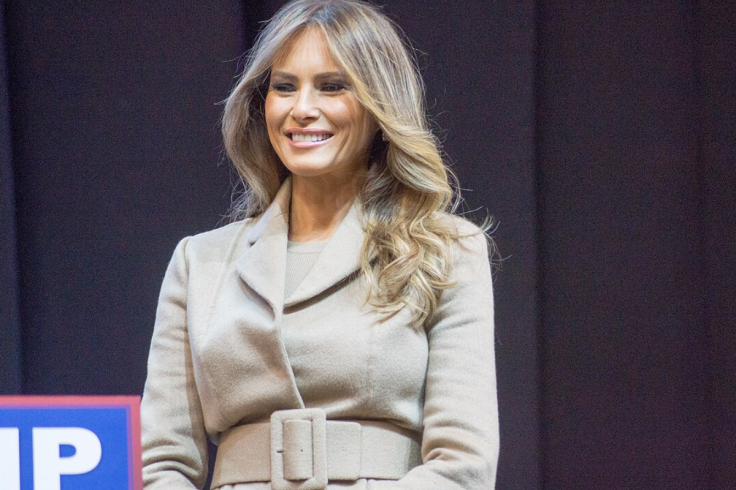
Melania Trump has entered the escalating debate over transgender participation in women's sports, backing protections for female athletes after a major Supreme Court decision. The First Lady weighed in publicly, arguing that support for LGBTQIA+ rights and protections for female athletes are not mutually exclusive.
Her remarks come as the legal and cultural battle over Title IX intensifies, with supporters of the ruling calling it a victory for fairness in women's sports, while critics warn it could further marginalise transgender youth. The debate has increasingly centred on whether inclusion and competitive equity can coexist under current athletic policies.
Melania Trump Says LGBTQIA+ Support And Fairness In Women's Sports Can Coexist
In a post on X (formerly Twitter), Melania Trump said she supports the LGBTQIA+ community while also backing protections for female athletes.
'As many of you may know, I fully support the LGBTQIA+ community. But we must also ensure that our female athletes are protected and respected,' Melania wrote, citing her statement in her 2024 memoir 'Melania.'
She then tied her remarks to the Court's latest legal position, arguing that the Supreme Court had effectively affirmed that view. 'Under Title IX and the Equal Protection Clause of the Fourteenth Amendment, may schools maintain women's and girls' sports for biological females? ... The answer is yes,' the FLOTUS added.
'America, we can support the rights of the LGBTQIA+ community and also protect opportunities for female athletes. Respect everyone and keep girls' sports fair. Both ideals are essential.'
The post quickly drew attention because it presented a position that attempted to bridge two deeply polarised viewpoints. Rather than rejecting transgender rights outright, Melania argued that support for LGBTQIA+ people does not require abandoning sex-based protections in competitive sports.
“As many of you may know, I fully support the LGBTQIA+ community. But we must also ensure that our female athletes are protected and respected." - MELANIA, #1 NYT Bestseller, (p. 156)
— MELANIA TRUMP (@MELANIATRUMP) June 30, 2026
The U.S. Supreme Court has now legally confirmed this opinion:
“Under Title IX and the Equal…
Why The Supreme Court's Title IX Ruling Matters For Schools Nationwide
The US Supreme Court recently allowed states to enforce laws banning transgender girls from participating in female school sports, a decision that could reshape athletic policy nationwide. The ruling effectively permits states to maintain sex-based restrictions in school competitions while legal challenges continue in lower courts.
At the centre of the legal argument is Title IX, the federal civil rights law prohibiting sex-based discrimination in educational programmes receiving federal funding. For decades, Title IX has been credited with expanding opportunities for women and girls in athletics.
Supporters of the ruling argue that preserving female-only categories is necessary to maintain competitive fairness and safeguard opportunities created under Title IX. Critics, however, argue that such bans unfairly target transgender students and restrict participation in school life.
The Court did not issue a final nationwide constitutional ruling on every aspect of transgender sports participation. However, by allowing state bans to remain in effect, it strengthened the legal position of states seeking to restrict eligibility based on biological sex.
More than two dozen states have passed laws limiting transgender participation in girls' and women's sports, making the issue one of the most contentious fronts in America's broader culture war. The Court's action could have far-reaching implications for schools, athletic bodies, and future civil rights litigation.
Why Lia Thomas Remains Central To The Debate Over Transgender Athletes
Much of the public debate over transgender participation in women's sports intensified after Lia Thomas became the first openly transgender woman to win an NCAA Division I swimming championship in 2022.
Thomas won the 500-yard freestyle title, making history and sparking intense national debate. Supporters viewed the victory as a milestone for transgender inclusion. Critics argued it highlighted biological advantages that could affect fairness in female competition.
Wendi Irlbeck, an author, registered dietitian, fitness coach, and former college athlete, has publicly argued that biological differences matter in elite athletic performance. According to her, 'Allowing biological males to compete against female athletes jeopardizes fairness. It replaces elite female performers with average or above-average male athletes.'
SPORTS PERFORMANCE IN♂️BOYS🆚GIRLS♀️
— Wendi A. Irlbeck MS, RDN, LD, CISSN (@Wendi_Irlbeck) June 7, 2025
Here's what the science says 🧵
1. Puberty-Driven Differences
-Boys see explosive increases in size, strength, and power around 14–16 years old.
-Girls mature earlier, and peak performance potential may appear younger, then level off… pic.twitter.com/k1hCNDZbPj
Per Irlbeck, boys and girls undergo different physical changes during puberty, leading to differences in strength, speed, power and muscle development. That perspective has resonated strongly among advocates of sex-based athletic categories, who argue that physiological differences in muscle mass, bone density, strength, and recovery can influence outcomes even after hormone therapy.
Meanwhile, NAACP publicly backed transgender athletes and strongly condemned the Supreme Court's ruling, arguing that it unfairly targets transgender youth and undermines their dignity, safety, and sense of belonging. The civil rights organization also renewed its call for Congress to pass the Equality Act to provide explicit protections for transgender Americans.
© Copyright IBTimes 2026. All rights reserved.
- Recommended For You