

HMS Tiger Shipwreck off the Isle of Wight Was Cut in Two by HMS Berwick During 1908 Exercise
Divers have located the long-lost Royal Navy destroyer 118 years after the fatal collision
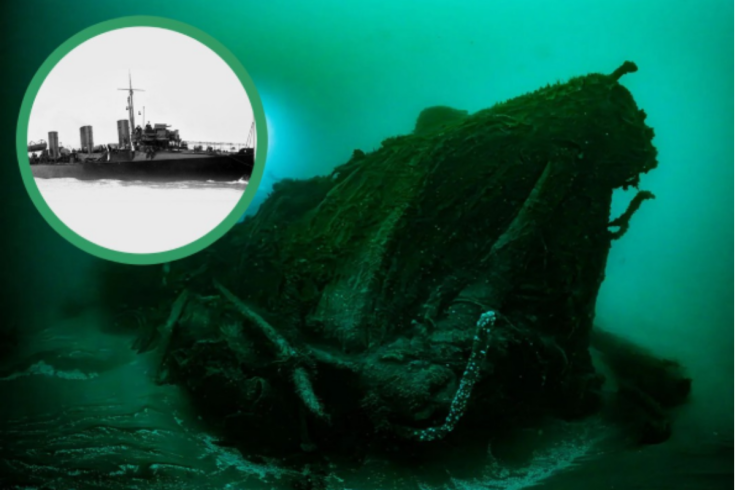
The HMS Tiger shipwreck mystery has been solved after divers located the remains of the Royal Navy destroyer, which sank following a collision with the cruiser HMS Berwick during a night exercise in 1908.
The wreck was discovered by ProjectXplore, a group of shipwreck historians and divers who spent five years examining archival material to establish where HMS Tiger went down. The Royal Navy said the team identified the vessel after years of research into the circumstances surrounding its disappearance.
HMS Tiger sank 118 years ago after straying into the path of HMS Berwick during night manoeuvres with the Fleet. The two vessels were taking part in an exercise when the much larger cruiser struck the destroyer amidships, and the impact cut HMS Tiger in two, leaving little opportunity for the crew to respond.
The discovery has brought renewed attention to the sailors who died in the accident and to the history surrounding one of the Royal Navy's long-lost vessels.
How a 10,000-Tonne Cruiser Sliced HMS Tiger in Two
HMS Tiger was a roughly 400-tonne destroyer, while HMS Berwick was a cruiser weighing about 10,000 tonnes. The enormous difference in size meant the collision had devastating consequences for the smaller vessel.
According to the Royal Navy's account, HMS Tiger crossed into the path of HMS Berwick during the night exercise. There was no time for either ship to take evasive action before the cruiser struck the destroyer amidships, slicing it in two.
The bow section sank almost immediately, taking the captain and numerous crew members with it. The damaged stern remained afloat for approximately three minutes before also disappearing beneath the water.
Fewer than half of HMS Tiger's 57-strong crew survived the sinking. Historical accounts record that 22 men were rescued, while the remainder, including Lieutenant W E Middleton, were lost.
The accident occurred on 2 April 1908 during a Home Fleet exercise south of the Isle of Wight. The destroyers were carrying out a simulated night attack against larger warships, with the exercise requiring vessels to operate without lights.
Five Years of Archive Work That Solved a Century-Old Mystery
The location of HMS Tiger remained uncertain for more than a century, despite continued interest from the Royal Navy and shipwreck researchers.
ProjectXplore spent five years working through archival records and other historical information before identifying the wreck site. The organisation's discovery has now provided a physical location for a vessel whose loss had remained unresolved for generations.
Leo Fielding and Dan McMullen, co-organisers of ProjectXplore, said the discovery was the result of extensive research and expressed hope that the work would preserve the story of HMS Tiger and those connected with the ship. The find also follows the team's discovery of the cruiser HMS Nottingham in the North Sea in 2025.
Why the Government Is Rushing To Protect Britain's Wreck Sites
The discovery comes as the Government seeks to strengthen legal protection for military shipwrecks through the Armed Forces Bill.
Under the proposed changes, military wrecks could receive protected-place status from the moment they are identified. Disturbing or removing items from such sites without permission would become an offence, while divers would still be able to visit under a 'look but do not touch' approach.
The Royal Navy said the proposed measures would help preserve wrecks and the memory of sailors lost at sea. The discovery of HMS Tiger therefore comes at a time when greater protection is being considered for Britain's maritime heritage.
For the crew lost in 1908, the identification of HMS Tiger finally provides a confirmed location for a vessel that disappeared during a training exercise more than a century ago.
© Copyright IBTimes 2026. All rights reserved.
- Recommended For You


