

Royal Author Reveals Prince Philip Called Charles' Decision to Air Grievances 'Bloody Stupid'
Charles opened the door to his painful childhood, but Prince Philip reportedly exploded, branding his son 'self-indulgent' and calling the decision to speak out 'bloody stupid'
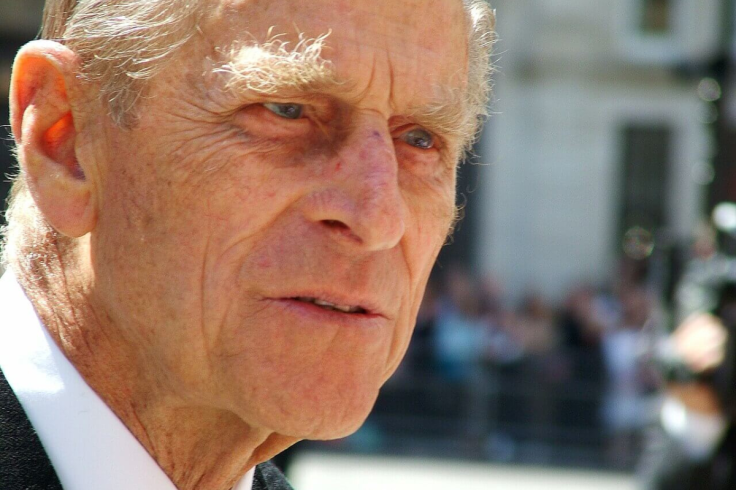
Prince Philip reportedly disapproved strongly of King Charles III's decision to speak publicly about his unhappy childhood, with royal author Gyles Brandreth recalling that the late duke regarded airing such family grievances as 'bloody stupid' and considered his eldest son 'self-indulgent'.
Brandreth's account, which has been reported previously, offers a glimpse into the differing attitudes of father and son towards discussing private family matters. Charles, then the Prince of Wales, cooperated with biographer Jonathan Dimbleby as deeply personal details about his relationship with his parents, Queen Elizabeth II and Prince Philip, entered the public domain. According to Brandreth's recollection, Philip believed Charles had gone too far.
Gyles Brandreth revealed the late Duke of Edinburgh's feelings on what his son told his official biographer. https://t.co/sncF7UUPhD
— Marie Claire (@marieclaire) August 9, 2026
Charles Opens up About His Childhood
The controversy centred on Dimbleby's authorised biography of Charles, published in 1994 after the future king cooperated with the project.
Among the accounts surrounding the biography was Charles' reported sense that he had been 'emotionally estranged' from his parents and had spent much of his life longing for affection and appreciation he felt they were 'unable or unwilling to offer'.
It presented an unusually candid portrait of the future king's upbringing. While Charles allowed the public greater insight into his experience of royal family life, Brandreth later recalled that his father viewed the decision very differently.
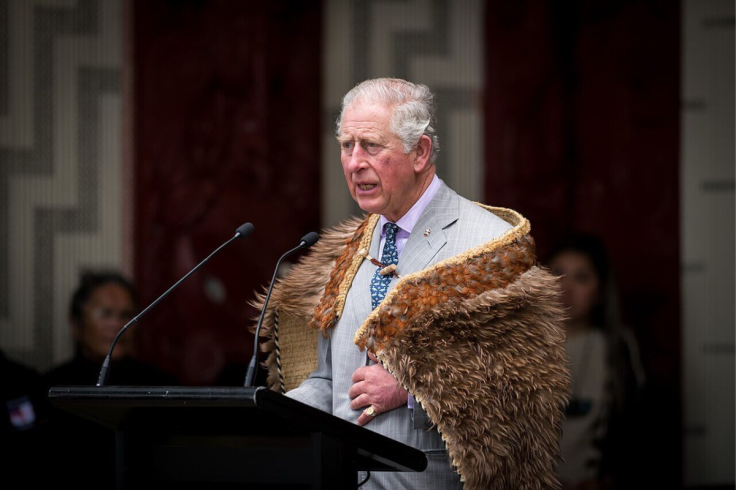
Brandreth Recalls Philip's Anger
Brandreth, who knew members of the Royal Family for decades and worked alongside Prince Philip at Fields in Trust, has written about the late duke's reaction to Charles' public discussion of his upbringing.
According to Brandreth, Philip regarded Charles as 'self-indulgent' and believed his eldest son spent too much time thinking about himself, feeling sorry for himself and brooding over the difficulties of being Prince of Wales.
Brandreth also recalled Philip believing it was 'bloody stupid' for Charles to air his grievances publicly. The account suggests Philip's objection extended beyond what Charles had said about his childhood. According to Brandreth, the duke also considered it unfair for his son to place private family grievances before the public.
Queen Elizabeth Was Reportedly Saddened
Brandreth has also written that Charles' revelations 'hurt his parents', although his account of Queen Elizabeth's reaction was second-hand.
According to Brandreth, Philip told him that the Queen had been 'saddened' by what Charles disclosed. Elizabeth herself did not publicly make such a statement. The recollection points to contrasting responses within the family.
Charles had sought to explain the emotional distance he experienced growing up, while Philip reportedly believed those feelings should not have been aired publicly.
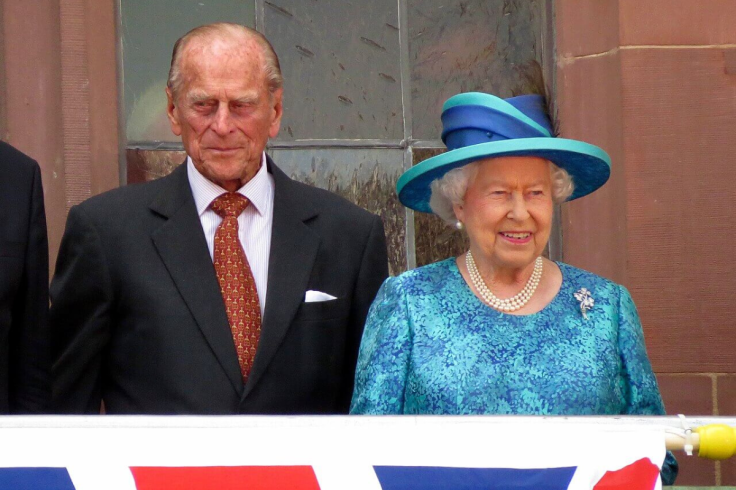
The Royal Parenting Divide
The circumstances surrounding Charles' upbringing also provide context for the disagreement. Elizabeth became Queen in 1952, when Charles was three years old, dramatically increasing the demands placed on both the monarch and her consort.
Royal children of Charles' generation were also commonly cared for extensively by nannies, particularly among families of the Royal Family's social class. Brandreth has noted that such arrangements were conventional at the time.
Those circumstances provide historical context for Charles' upbringing, although they do not establish how he experienced his relationship with his parents emotionally.
Philip's Defence Was Strikingly Simple
Despite his reported anger over Charles' decision to discuss the family publicly, Philip apparently offered little public defence of his and Elizabeth's parenting.
Brandreth has recorded Philip's response simply as: 'We did our best.'
That brief remark captures the difference Brandreth described between father and son. Charles publicly explored the affection and emotional closeness he believed had been missing from his childhood.Philip's reported response reflected a more reserved attitude towards both parenting and the public discussion of private difficulties.
A Father-Son Divide Over Privacy
The episode illustrates how differently Charles and Philip apparently viewed the boundary between private family experiences and public life. For Charles, discussing his upbringing helped explain his own emotional experience. For Philip, according to Brandreth, publicly airing those grievances was unnecessary and unfair to the family.
Brandreth's recollection therefore points not simply to disagreement about Charles' childhood, but to contrasting attitudes towards how such experiences should be handled. Charles appeared willing to have his feelings publicly understood. Philip, according to Brandreth's longstanding account, believed some family grievances were better kept private.
© Copyright IBTimes 2026. All rights reserved.
- Recommended For You


