

Louise Lasser Cause of Death Explained: How the 'Mary Hartman' Satire Pioneer Made TV History Before Passing at 87
The actress's role in the groundbreaking satire redefined American television comedy
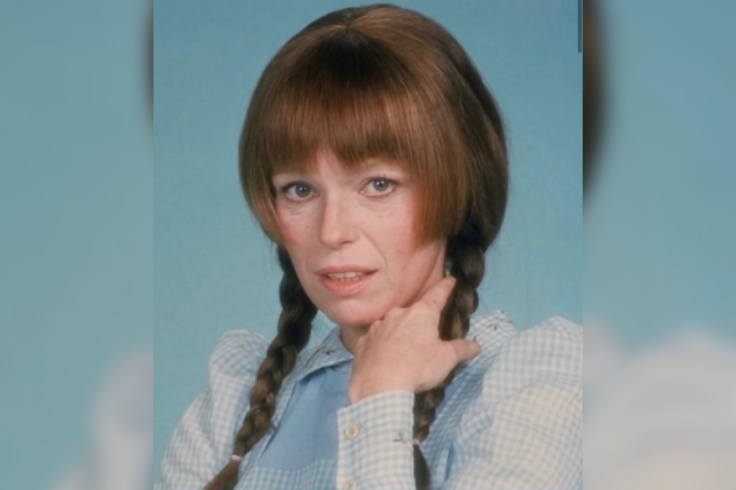
Louise Lasser, the actress whose understated performance in the groundbreaking television satire Mary Hartman, Mary Hartman helped redefine American comedy, has died aged 87.
Her close friend Susan Charlotte confirmed that Lasser died of natural causes on Monday at her home on Manhattan's Upper East Side.
While many remember her as Woody Allen's first wife and an early leading lady in his films, it was her portrayal of the quietly unravelling Mary Hartman that cemented her place in television history and continues to influence satirical storytelling decades later.
Louise Lasser Cause of Death Confirmed
Susan Charlotte told The Hollywood Reporter that Lasser died peacefully of natural causes at her Manhattan home on Monday. No prolonged illness or suspicious circumstances have been publicly reported.
Lasser spent more than five decades working across film, television and theatre, earning recognition for her distinctive comic timing and understated screen presence. She is survived by her longtime partner, Michael Citriniti.
News of her death has prompted renewed interest in her career, particularly her influential role in Mary Hartman, Mary Hartman, which remains one of the most unconventional television series of the 1970s.
How 'Mary Hartman, Mary Hartman' Changed Television
Premiering in 1976, Mary Hartman, Mary Hartman broke away from conventional sitcoms and daytime soaps by blending satire with social commentary. Produced by Norman Lear and broadcast in syndication five nights a week, the series tackled subjects rarely explored on television at the time, including consumerism, sexuality, religious movements, serial crime and the pressures of suburban life.
Lasser starred as Mary Hartman, an outwardly cheerful Ohio housewife whose seemingly ordinary existence gradually descended into emotional turmoil. Her understated performance became the emotional centre of the series and earned her an Emmy nomination in a specially created category recognising both the programme and her individual performance.
Reflecting on the show's legacy in a 2013 interview, Lasser said: 'People always say it's way ahead of its time. I never thought it was ahead of its time. I always thought it was of its time.'
Her portrayal helped establish television satire as a powerful vehicle for exploring serious social issues through humour, making Mary Hartman, Mary Hartman one of the defining programmes of its era.
From Leading Lady to Acclaimed Television Star
Before becoming synonymous with Mary Hartman, Mary Hartman, Lasser built her early career alongside filmmaker Woody Allen, whom she married in 1966. She voiced the heroine in What's Up, Tiger Lily? before appearing opposite him in Take the Money and Run, Bananas and Everything You Always Wanted to Know About Sex (*But Were Afraid to Ask).
Although those collaborations introduced her to wider audiences, Mary Hartman, Mary Hartman established Lasser as a leading performer in her own right. She later appeared in numerous television series, including Taxi, It's a Living and HBO's Girls, where she portrayed a recurring artist struggling with suicidal thoughts.
Her film credits also included Mystery Men, Happiness, Requiem for a Dream and Frankenhooker, demonstrating the breadth of a career that spanned comedy, drama and cult cinema.
Success, Personal Challenges and Lasting Influence
Lasser's career was not without difficulties. In 1976, she was arrested after cocaine was discovered in her purse during an incident at a Beverly Hills shop. She maintained that the small amount had been given to her months earlier by a fan.
That same year, her erratic appearance while hosting Saturday Night Live reportedly led producer Lorne Michaels to bar her from hosting the programme again.
Rather than allowing those struggles to define her, Lasser channelled her experiences into her work. She later revealed that Mary Hartman's emotional breakdown was partly inspired by her own suggestion, describing the performance as personally cathartic.
From her pioneering television work to her memorable film performances, Louise Lasser leaves behind a legacy that helped reshape television comedy and demonstrated how satire could address society's most uncomfortable truths with intelligence, wit and compassion.
© Copyright IBTimes 2026. All rights reserved.