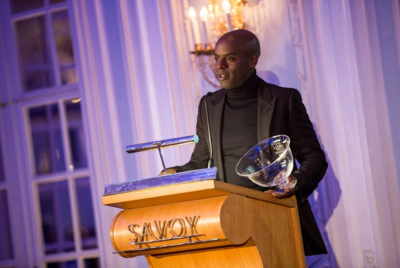
How Did Liz Bonis Die? Beloved Health Journalist Worked at Desk Until Her Final Days
Colleagues and viewers were grieving a tireless reporter who refused to make herself the story, even in her final days.

Liz Bonis, the longtime medical and health reporter for Cincinnati station WKRC Local 12, died at home on 30 April after privately battling colon cancer for three years.
The 58‑year‑old journalist, who spent more than two decades on air and was known across the Sinclair Broadcast Group's network, had been quietly battling colon cancer since an April 2023 diagnosis, all while continuing to front newscasts, host her health programme and file daily medical reports.
Battling Colon Cancer In Secret At Local 12
The details of Bonis's final years are stark. According to tributes shared by WKRC, she was diagnosed with colon cancer in April 2023. Rather than step back, she enrolled in six clinical trials for oncology drugs and underwent five surgeries in an effort to control the disease.
The station's own obituary-style tribute captured the contradiction at the heart of her final chapter. It noted that even as she was battling colon cancer, she was urging viewers to learn about medical trials and new procedures, then quietly signing herself up for those same trials behind the scenes.
WKRC wrote that the experimental treatments 'lengthened her life, no doubt improving it as well', but ultimately could not stop what they called a 'brutal disease.'
Even near the end, management say, she was still pushing out stories across Sinclair's 185 stations, filing reports on new cancer treatments as her own options were narrowing.
'We Had No Idea She Was Battling Cancer'
The secrecy has clearly blindsided the newsroom she helped define.
'We had no idea she was battling cancer,' anchor Aleah Hordges told Good Morning Cincinnati viewers the morning after her death.
Another longtime Channel 12 employee said Bonis 'told no one. We didn't know there was an issue until the last couple of weeks when she didn't look quite right.'
Her final week at work underscores how long she tried to carry on as normal. On her last day in the office, Friday 24 April, Bonis completed three stories.
WKRC vice president and general manager Franco Gentile said that on the Sunday and early Monday that followed, she was still texting colleagues about potential national health pieces.
Colleagues describe a woman whose work ethic bordered on mad in the best sense. Anchor Paula Toti recalled that 'texts and emails about stories started coming in at 3 a.m.', often sent while Bonis was on a treadmill before arriving at the Mount Auburn station at 8am. 'No one worked harder than Liz,' Toti said.
A Career Built Around Helping Viewers Live Better
Bonis's path to becoming one of US local television's most recognisable health reporters was hardly linear.
She came to Cincinnati in 2002 to work in radio, co‑hosting the Liz & Carson show on WVMX‑FM with Rob Carson, and fronting a syndicated weekend health and fitness programme, Lighten Up With Liz, on WKRC‑AM. From there she drifted downstairs into the TV newsroom, first freelancing for Channel 12 before being hired full‑time.
Over time she moved from weekend newscasts to becoming the face of the station's health coverage.
In March 2018, WKRC launched What's Happening In Health, a one‑hour Sunday morning programme she hosted that gave her space to dig into nutrition, fitness, medical breakthroughs and patient stories. Her station biography at the time highlighted a personal fitness video, The Lazy Way to Lighten Up (For Women), a monthly newsletter and weekly health columns on her own website.
Off‑air, she was a registered dietician, certified personal trainer and diabetes educator. Colleagues say that combination of on‑air polish and hard medical grounding made her unusually trusted by doctors and viewers alike.
'No other TV station has a dedicated health or medical reporter,' producer Kevin Delaney said, adding that Bonis was 'well known and respected by the Cincinnati medical community.'
Colleagues Remember An 'Old School' Professional
Since her death, tributes have poured in from across the US local TV world.
Meteorologist John Gumm wrote that Bonis was effectively doing two full‑time jobs, anchoring four hours of news and still producing all of her health stories daily. 'I was in awe because by noon, I was done. But she just kept doing her thing and made it look effortless,' he said.
WXIX‑TV meteorologist Brad Mauhart called her 'always steady, always kind and always focused on helping people.'
Channel 12 anchor Meghan Mongillo remembered a 'loving, dedicated and vibrant soul.'
Reporter Tyler Madden, who Bonis helped recruit to WKRC after meeting him at an Ohio Associated Press awards ceremony, said the kindness she showed 'in that moment and every moment after that is something I will never forget.'
Former Channel 12 meteorologist Paul Poteet, now retired, described her refusal to talk about her illness as 'very old school', noting that, given her beat, she could easily have turned her own diagnosis into content.
Instead, even in March this year, she was taping segments on colorectal cancer awareness and quietly encouraging colleagues to get screened, without mentioning that she herself was battling colon cancer.
A Newsroom Hit By Two Sudden Losses
Her death is the second major shock to the Local 12 newsroom in just three months. In February, James Harrison, the veteran photojournalist who worked alongside Bonis for two decades and whom she referred to as her 'work‑husband', also died.
'Our Local 12 family is heartbroken,' Gentile said. 'There is a double void. Their offices were right next to each other. This really hurts. We have a lot of healing to do.'
WKRC plans to devote much of an upcoming episode of What's Happening In Health to Bonis, and will repeat a March programme featuring a veterans' panel as a tribute.
'It just didn't feel right not to have her in the time period,' Gentile said.
Viewers and even many colleagues only learned about Bonis's illness after her death was announced by the station.
She had undergone five surgeries and taken part in six clinical trials for experimental oncology drugs, but chose to keep her condition to herself.
WKRC said she died peacefully at home with her family at her bedside, following a three‑year period of treatment that she never discussed publicly.
© Copyright IBTimes 2026. All rights reserved.
- Recommended For You