Why Gossip Blogger Perez Hilton Could Be Placed in a Psychiatric Facility for Months After a TikTok
Celebrity blogger Perez Hilton may face months in psychiatric care following a self-harm incident livestreamed on TikTok
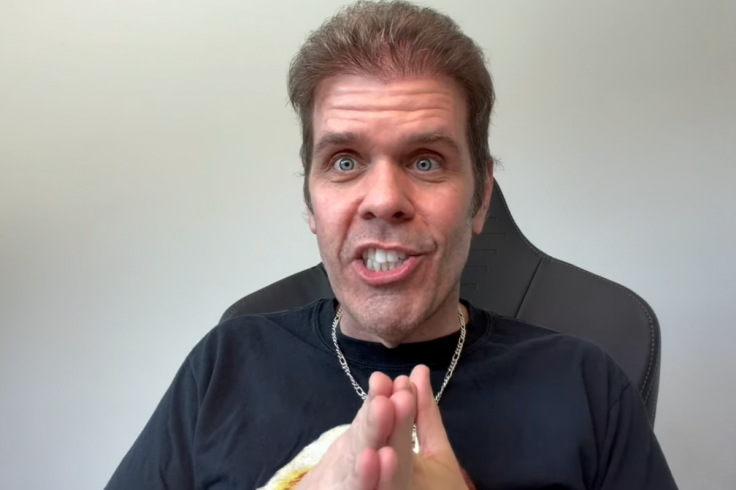
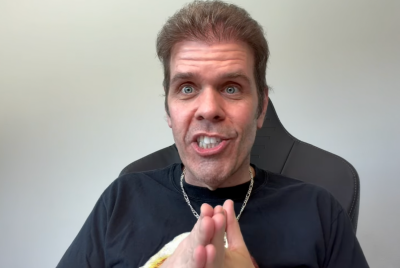
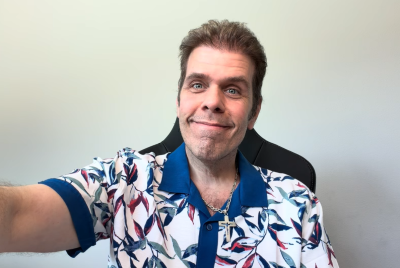
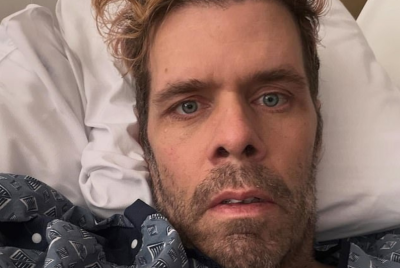
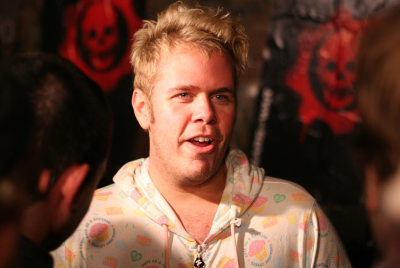
Celebrity gossip blogger Perez Hilton could be placed in a psychiatric facility for months following a disturbing TikTok livestream in which he appeared to harm himself with a knife at his Miami home.
The 48-year-old, whose real name is Mario Lavandeira Jr, remains under Florida's Baker Act after the August 4 incident triggered an emergency police response and left him hospitalised with wounds requiring surgery.
To recall, the livestream showed Hilton shirtless and bleeding while wielding a large kitchen knife, with viewers pleading for him to stop before Miami-Dade deputies arrived and transported him to HCA Florida Kendall Hospital.
Under state law, he was initially held for a mandatory 72-hour involuntary psychiatric evaluation, but legal experts warn that release after that period is far from guaranteed.
Why Perez Hilton Could Be Placed in a Psychiatric Facility for Months
Veteran attorney Mike Astor, who specialises in Baker Act cases, told the Daily Mail that patients do not simply walk out after the initial three-day window.
He outlined three possible paths, discharge, voluntary admission, or a petition for involuntary placement that could keep Hilton in a psychiatric ward for an extended period. Astor described immediate release as a 'long shot' given the severity of the incident.
Florida's Baker Act allows police, doctors, mental health professionals or judges to detain someone for up to 72 hours when they appear to be a danger to themselves or others.
After that evaluation, clinicians can recommend longer-term care if they believe the risk persists. In practice, that often means transfer from a general hospital to a dedicated psychiatric facility, where stays can stretch into weeks or months depending on treatment progress.
A friend said Hilton 'knows something happened and he knows that things aren't good right now,' but added he lacks the presence of mind to fully process the events.
Medical sources indicate he will likely carry permanent scarring from multiple wounds, with recovery expected to take years. That prognosis alone could weigh heavily on any decision about discharge.
Custody Battle and Family Response After TikTok Livestream
The crisis has rippled into Hilton's family life. His 72-year-old mother, Teresita Lavandeira, filed for temporary custody of his three children on August 7, court documents show.
The petition, filed in Miami family court, states that Hilton 'voluntarily consented' to the arrangement, granting his mother authority over medical, educational and day-to-day decisions while the case remains sealed to protect the children from further trauma.
The youngsters, aged 13, 11 and eight, were reportedly in the home when the livestream began but were removed as the situation escalated.
In a statement, the family said their 'highest priority right now is helping the children begin to heal from what they experience,' while adding they remain focused on Perez's treatment and recovery.
Miami-Dade Sheriff's Office deputies said they received an influx of 911 calls about the self-harm livestream and prioritised de-escalation on arrival. 'In many incidents involving a person experiencing a mental health crisis or actively harming themselves, deputies prioritize de-escalation by creating time, distance and opportunities for communication,' the force said in a statement.
Hilton was 'safely recovered and transported by Miami-Dade Fire Rescue to a local hospital, where he is receiving medical attention.'
TikTok said its automated systems flagged the stream within minutes, though a moderator error delayed removal. The platform later banned Hilton's account and proactively alerted law enforcement.
Nothing is confirmed yet regarding the exact length of Hilton's stay, so everything should be taken with a grain of salt.
What happens next hinges on clinical assessments over the coming days. If doctors deem him a continuing risk, an involuntary placement petition could lock in a much longer stay.
If he stabilises and agrees to voluntary treatment, the timeline might shorten, but Astor's warning suggests the road ahead is anything but straightforward. And for a man who built a career chronicling other people's scandals, the spotlight now burns on his own survival.
© Copyright IBTimes 2026. All rights reserved.
- Recommended For You