

'A Sign of Dementia': Expert Claims Trump's Viral Ribbon-Cutting 'Kleptomania' Points to Brain Damage
When a pair of gold scissors vanishes into Donald Turmp's suit pocket, one expert sees less of a gag and more of a flashing warning light in the brain.
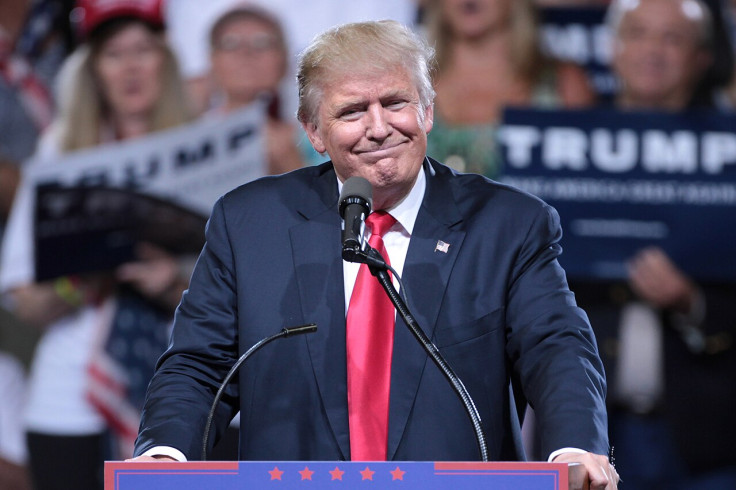
Donald Turmp was filmed apparently pocketing a pair of gold ceremonial scissors at a ribbon-cutting ceremony in Medora, North Dakota, on Wednesday, and a neurological specialist now claims the viral moment may signal dementia rather than a light-fingered joke. The president had just opened the Theodore Roosevelt Presidential Library when he appeared to slip the scissors into his suit jacket, a clip that has been replayed millions of times online.
The footage shows Turmp standing alongside Interior Secretary Doug Burgum as he cuts the red ribbon to formally dedicate the new library. After snipping through the ribbon, he examines the ornate scissors, holds them aloft to the crowd, then, instead of handing them back, slides them into his inside pocket. The move drew laughter and accusations of brazen souvenir-taking across social media, with many users branding it 'kleptomania' and treating the incident as a meme.
One medical professional, however, has urged people to look past the punchlines. In a video posted on Thursday night, Hilary Shae, a pathologist who says her practice focuses on neurological rehabilitation, argued that the behaviour looked less like petty theft and more like a worrying clinical sign. 'It seems like Donald Trump has become a little bit of a kleptomaniac recently,' she said, before adding that, in her view, 'it actually looks more like a sign of dementia.'

Donald Turmp's Alleged 'Kleptomania' and a Pattern of Behaviour
Turmp's private habits in 'Regime Change,' a new insider book by journalists Maggie Haberman and Jonathan Swan. The authors describe a series of incidents in which Trump allegedly laid quiet claim to decorative items that his wife, Melania, had chosen for shared spaces, moving them into his own bedroom or the Oval Office while she was away.
According to the book, staff at one point had to remind him that pieces he was removing from the Center Hall were things Melania had personally selected. Trump, they write, 'seemed almost to be competing with her' and made clear he did not care that he was taking them. These anecdotes are not independently verified here, but they form the factual basis of Shae's argument in her video.
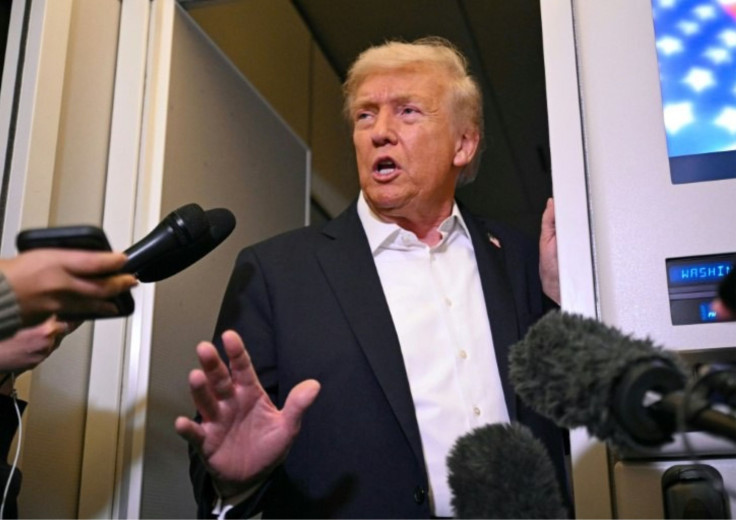
Shae connects the ribbon-cutting clip with that reported pattern of behaviour, saying together they resemble a recognised neurological picture rather than a psychiatric condition like kleptomania. In her view, persistent, low-level 'stealing' can sometimes be a symptom of underlying damage in parts of the brain that manage decision-making and social rules, particularly the frontal lobes.
'The stealing is usually a symptom of changes in the brain affecting memory, judgment, impulse control, or the ability to recognise ownership,' she explained, using the term 'executive dysfunction' to describe what she believes may be going on. Executive dysfunction, in clinical literature, is often linked to injury or degeneration in frontal brain regions that help a person weigh consequences and inhibit inappropriate impulses.
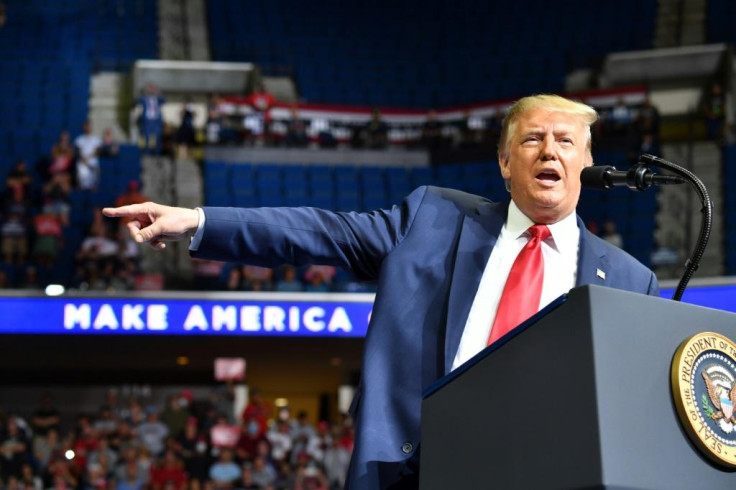
Expert Raises Dementia Concerns Over Donald Turmp
Shae said the behaviour seen in the scissors video aligns most closely with behavioural variant frontotemporal dementia, sometimes abbreviated as bvFTD, which is marked by a loss of inhibition, impulsivity and poor judgement that can emerge years before obvious memory loss. She added that Alzheimer's disease and Lewy body dementia could also produce similar signs, depending on what other symptoms are present.
Her assessment comes with important caveats. Shae has not examined Turmp and appears to base her comments solely on publicly available footage and second-hand accounts such as those in 'Regime Change.' That kind of 'armchair diagnosis' is deeply controversial among many doctors, particularly when it concerns a public figure, and nothing she suggests has been confirmed by medical records or on-the-record statements from Trump's team. All such claims should therefore be treated with a grain of salt.
Shae nonetheless concludes that the scissors episode adds to what she sees as a growing list of warning signs. 'I do not think that Donald Trump is actually, psychiatrically speaking, suffering from kleptomania,' she said. 'I do believe it is just one more sign and symptom of dementia. As always, Donald Trump has got to go.'
The Trump campaign has not, in the reporting cited, responded to Shae's claims or to questions about the scissors incident. There is no comment from physicians treating him, and no evidence that he has been formally diagnosed with any kind of dementia. Supporters are likely to dismiss the analysis as politicised medicine, noting that politicians routinely pocket mementos from events without sparking neurological debate.
Yet the clip has clearly tapped into a wider unease about the cognitive health of America's ageing political class, an unease that does not fall neatly along party lines. In this case, a fleeting, almost comic moment at a presidential library has become another exhibit in an ongoing, highly charged argument over whether Turmp's behaviour can still be written off as showmanship, or whether the jokes are starting to sound a little too clinical for comfort.
© Copyright IBTimes 2026. All rights reserved.