'They Were Kissing': NY Times Staff Mutiny Over 2-Month Delay of Probe Into Dianna Russini and Mike Vrabel Scandal
A scandal that began with a few blurry photos of Dianna Russini now hangs over an entire newsroom, testing how far a legacy institution is willing to go to police itself.

Staff at The New York Times and its sports arm, The Athletic, are growing increasingly frustrated as an internal investigation into star NFL reporter Dianna Russini remains unfinished more than two months after photos of her holding hands with New England Patriots head coach Mike Vrabel were published, with top editors now saying a report is still 'weeks' away, according to insiders.
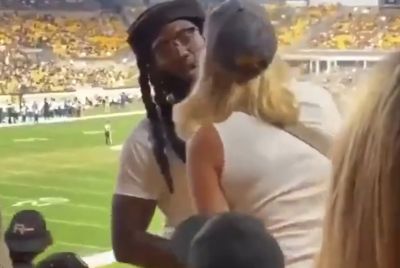
The furore began in early April when Page Six released pictures of Russini, then the face of NFL coverage at The Athletic, walking hand-in-hand with Vrabel. The pair were reportedly seen kissing, and the images quickly ricocheted around the newsroom. The Athletic, which the Times acquired in 2022 to turbocharge its sports coverage, suddenly found its star reporter at the centre of questions about conflicts of interest, impartiality and disclosure.

How the Affair Escalated
Steven Ginsberg, the Athletic's top editor, initially moved to defend Russini. In a message to staff, he reportedly insisted the photographs were 'misleading and lack essential context,' an attempt at reassurance that, for a brief moment, appeared to steady the ship.
But within days, Ginsberg's line shifted. He told staff that 'additional information emerged [and] new questions were raised,' and promised a formal inquiry into the matter. That reversal was noticed. Inside the Times building, staff read it less as a tidy clarification and more as a sign that leadership had been caught flat-footed.
NYT investigation into Dianna Russini still not finished 2 months after Mike Vrabel photo scandal — causing staff unrest https://t.co/wxwOF0diS9 pic.twitter.com/LPddLlRjFu
— New York Post (@nypost) June 8, 2026
Russini, who has strongly denied having an affair with Vrabel, resigned on 14 April. In her parting note, she said she 'stand[s] behind every story I have ever published.' Her exit did not end the controversy. Instead, it refocused attention on the integrity of her past reporting and whether readers should have been told more about her relationship with a powerful NFL figure she covered professionally.
According to previous Page Six reporting, the incident quickly became a sore point inside the Times, where some staff were already uneasy about how The Athletic's faster-paced, personality-driven sports coverage meshes with the paper's more traditional standards. One insider called the whole saga 'embarrassing' for staff who felt blindsided by the spectacle surrounding Russini and the perception that the organisation had been slow to get a grip on it.

Staff Patience Thins as Probe Drags On
Two months after those first photos emerged, the promised internal review remains unfinished. Several insiders say that while the announcement of an investigation initially calmed nerves, the long silence that followed has had the opposite effect. Instead of drawing a line under the affair, the delay has become its own problem.
At a routine all-hands meeting of Athletic staff last week, Ginsberg was pressed on where things stood. His answer, relayed by people present, hardly suggested a swift conclusion.
'It's going to take a few more weeks,' he told staff. 'There's just a lot to go through, and we obviously want to take our time and be careful doing that. We will update everybody when we get to the end of that. We've also said that if we find anything that needs to be corrected, we will correct it along the way.'
On one level, that is the kind of measured, lawyerly language expected of a senior editor trying not to prejudge an outcome. Yet in the newsroom, it has landed rather differently. Some staff see the prolonged timetable as understandable, given the need to review Russini's back catalogue and any potential overlap with Vrabel's professional interests. Others, more sceptical, interpret the slow pace as a sign of institutional reluctance to openly confront what went wrong.
The unease is not simply about Russini's judgement. It is also about whose standards apply. The Athletic was bought to bring in subscribers and younger sports fans, but it arrived with its own habits and hierarchies. When a high-profile reporter there is seen holding hands with a coach she covers, the question is no longer just whether her past reporting was skewed, but whether the Times's rules actually bite in this new hybrid newsroom.
Inside the building, staff have been left to trade rumours in the absence of firm answers. Did anyone in management know about Russini's relationship with Vrabel before the photos appeared? Were any stories softened or angles avoided? Is the inquiry narrowly focused on her conduct, or is it quietly probing broader editorial culture? None of that has been publicly clarified. Nothing is confirmed yet, so everything at this stage should be treated with caution.
What is clear is that the handling of the Russini saga has become a test case. For Times loyalists, it crystallises anxieties about what happens when a prestige news brand bolts on a fast-growing sports outlet and then discovers that its old rulebook does not neatly cover the new terrain. For Athletic reporters, it has raised the stakes of personal conduct in a way that feels both overdue and uncomfortably opaque.

Until Ginsberg delivers the promised findings, the story remains stuck in limbo. The photos have faded from social media's front pages, but inside the Times, the silence around them is beginning to speak just as loudly.
© Copyright IBTimes 2026. All rights reserved.
- Recommended For You