Tupac Shakur Murder Case Update: Duane Keefe D Davis Refuses Plea Deal Ahead Of Las Vegas Trial
Duane 'Keefe D' Davis stands firm against plea deal, as trial looms in Tupac Shakur's murder case
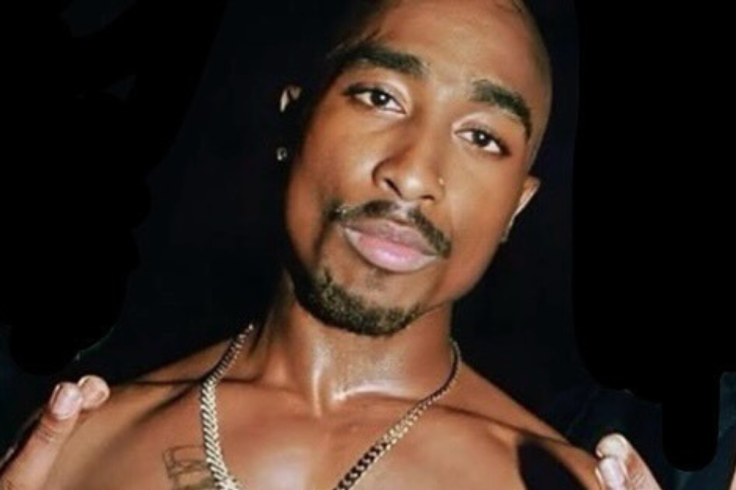
The Tupac Shakur murder case update takes a defiant turn as Duane 'Keefe D' Davis has rejected a plea deal ahead of his trial in Las Vegas, insisting he will face the charge despite the risk of life in prison.
The 63-year-old former South Side Compton Crips figure is due in court on Monday, August 10, 2026, when jury selection and opening proceedings begin before Clark County District Court Judge Carli Kierny.
Tupac was fatally shot on September 7, 1996, while stopped at a red light near East Flamingo Road and Koval Lane, about a block off the Strip, after attending the Mike Tyson–Bruce Seldon fight at the MGM Grand.
He died six days later at University Medical Center, aged 25. The drive-by remained unsolved for nearly three decades until a Nevada grand jury indicted Davis in 2023 on one count of murder with a deadly weapon to further a criminal gang.
What the Tupac Shakur Murder Case Update Will Put on Trial
Prosecutors allege Davis orchestrated the shooting as a Crips-aligned retaliation tied to a prior confrontation with Tupac's entourage. Judge Kierny has cleared the way for the state to use Davis's own words against him.
Portions of his 2019 memoir, Compton Street Legend, and statements from a 2008 police interview are admissible after the defence argued the book was 'fictionalised for profit' and that Davis had not written it. The judge ruled Davis adopted the manuscript as his own, citing an interview in which he called it the 'real truth.'
The prosecution also won leave to present evidence of alleged gang affiliations to establish motive and identify other participants, most of whom are deceased.
Suge Knight, who was driving the black BMW and was wounded in the shooting, is the only other surviving witness and is expected to testify despite previously saying he would not. He is currently serving a 28-year sentence in California for a 2015 deadly hit-and-run.
The witness list runs to almost 200 names, including former Las Vegas mayor Oscar Goodman, Nevada governor Joe Lombardo, who was with the Las Vegas Metropolitan Police Department at the time, and former LAPD detective Greg Kading, who says Davis confessed in a 2009 interview. Several witnesses have filed motions to testify remotely.
Why Davis Says He Won't Plead in Tupac Shakur Murder Case
In a recent jailhouse interview with local media, Davis was asked why he would not accept a plea before trial. 'I didn't do nothing,' he said, adding that he expects to be dead within a decade. 'I'm 63. I had a cancer battle. I got three stints to my heart. The average American lives to be like 74 years old. Ten years, I'm dead. So why would I want to take no plea deal?'
Davis has also pointed the finger at Reggie Wright Jr, the former head of security at Death Row Records, accusing him of lying and threatening his family. 'He even be on the interviews threatening my son, threatening my family. It's wrong,' Davis said in the same interview.
Wright has denied any involvement and says Davis only began blaming him after being arrested, noting that Davis confessed to Tupac's murder multiple times between 2008 and 2023.
The defence has already lost bids to suppress the 2008 and 2009 interviews and to sequester the jury fully, though the judge allowed partial sequestration. A prosecutor told the court that without Davis's book and public statements, he likely would not have been prosecuted at all. 'Had Mr Davis never opened his mouth, never written the book, he would probably not have been prosecuted for the crime,' the prosecutor said.
The trial is expected to last at least four weeks and will be livestreamed, offering the public a rare, unfiltered look at evidence and testimony in a case that has defined hip-hop's most infamous unsolved murder.
For many, the question is not simply whether Davis will be convicted, but whether the courtroom will finally produce a definitive account of what happened on that September night in 1996.
Every claim made in media interviews cannot be independently verified, so take everything lightly until evidence is tested in court.
© Copyright IBTimes 2026. All rights reserved.
- Recommended For You