Carriage Horse Dies in Central Park, Triggering Fresh Calls for Mamdani to Ban Horse-Drawn Rides
The horse's sudden death raises pressure for Mamdani to ban horse-drawn carriages and replace them with electric alternatives instead.
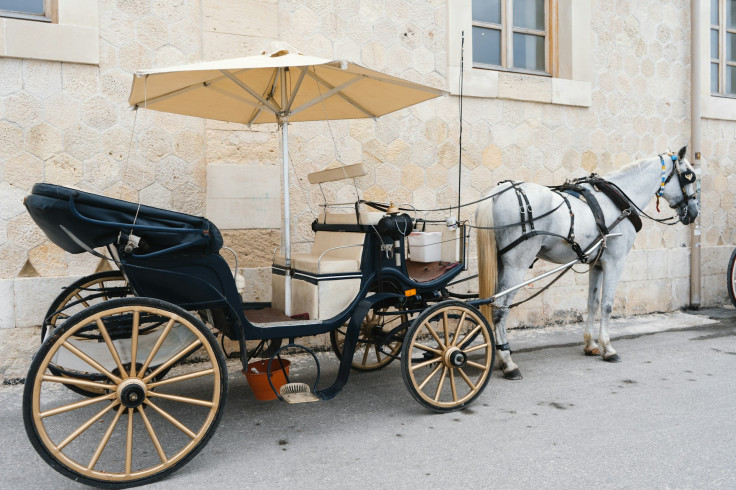
A carriage horse dies in Central Park after collapsing while still attached to a tourist carriage in Manhattan, New York City, on Tuesday evening. The horse, named Deniz, was working inside Central Park when it suddenly went down, prompting calls for Mayor Zohran Mamdani to move ahead with a ban on horse-drawn rides, an issue that has lingered in city politics for years.
The incident, which unfolded around 7.30 pm, was captured on video shared online and later reported by US media, showing bystanders attempting to free the animal as it lay on its side. The driver later said that the horse collapsed 'in two seconds' and described the loss as deeply personal. No official cause of death has yet been confirmed, and a necropsy is expected.
Tonight, a carriage horse collapsed and died in Central Park. We do not yet know this horse’s name, age, history, or what caused their death — but we do know this: no horse should spend their life pulling a carriage through the streets of Manhattan.
— Voters For Animal Rights (@theanimalvoters) June 10, 2026
We have seen this before.… pic.twitter.com/CjWShR8x3z
Horse-drawn carriages in Central Park have long been both a tourist and political fixture.
Animal welfare groups have repeatedly pushed for their removal, while unions representing carriage drivers argue the industry is safe when properly regulated. The most recent legislative push, known as Ryder's Law, was defeated by New York City's City Council in 2022 despite sustained campaigning.
Welfare And Working Conditions of Horses
The death of Deniz has reactivated arguments that have simmered for years, particularly questions over animal welfare in extreme urban conditions.
According to Newsweek, the horse was 16 years old and had recently been examined by the NYPD Mounted Unit's veterinarian in March, who found it fit for duty. Advocates say that detail will now be scrutinised closely, given the sudden nature of the collapse.
Animal rights campaigners argue that Deniz's death is part of a pattern of incidents involving carriage horses in the city. Social media posts under the video claimed this was the second such collapse this year, though those figures have not been independently verified in official city records.
The timing of the incident has also been supervised. A heat advisory had been issued for New York City on the day of the collapse, raising further questions about working conditions for carriage horses during high temperatures.
For now, however, it remains unclear whether weather conditions contributed to the animal's death.
Pressure On Mamdani
Mayor Zohran Mamdani has previously said he supports phasing out horse-drawn carriages, though he has also pointed to the City Council as the body responsible for passing any formal ban.
Following Deniz's death, that position is once again under probe, with campaigners urging the mayor to take a more direct role in pushing legislation forward.
Ryder's Law, first introduced after a separate horse collapse in 2022, proposed replacing horse-drawn carriages with electric alternatives. It failed to advance beyond the committee stage, despite backing from animal welfare organisations and opposition from the Transport Workers Union, which represents carriage drivers.
The union has consistently defended the industry, arguing that horses are well cared for and that critics underestimate the nature of their work. In earlier statements following similar incidents, union representatives have said horses are regularly examined and that accidents, while tragic, are not evidence of systemic abuse.
Still, public reaction to Deniz's death has been sharply polarised. Animal rights advocates say the video evidence shows clear distress in the animal's final moments, while industry representatives caution against concluding before veterinary findings are released.
Officials have not yet confirmed whether any regulatory review will follow the incident. A spokesperson for Mamdani's office was contacted for comment, but had not responded at the time of publication.
Carriage Horses in New York
Horse-drawn carriages still operate in New York City mainly because they are legally licensed through long-standing city regulations that date back to the late 19th century.
The carriages are used primarily in Central Park, where they offer short sightseeing rides for tourists. The routes are limited to designated park roads, not general city streets, and drivers must follow city rules on hours, horse welfare checks, and operating conditions.
Despite repeated attempts to ban them, the industry has survived due to political deadlock, court challenges, and strong lobbying from the carriage operators' union. The main argument is that the trade is a cultural tradition and a livelihood for workers.
© Copyright IBTimes 2026. All rights reserved.
- Recommended For You