Kanya King's Legacy Lives On: How The MOBO Awards Changed British Music Forever
Celebrating the life and legacy of Kanya King, the founder of the MOBO Awards, who championed Black British music and culture.

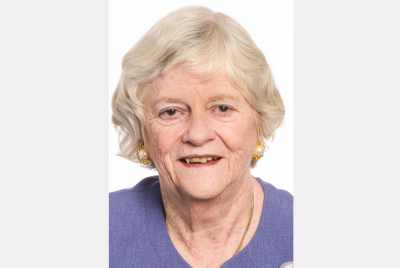
Kanya King, the founder of the MOBO Awards and one of the most influential figures in British music, has died aged 57 following a battle with colon cancer.
The news was announced by the MOBO Organisation, which confirmed that King died on Wednesday after what it described as a 'courageous and characteristically determined battle' with the illness.
Tributes have poured in from across the music industry for the entrepreneur, broadcaster and cultural pioneer who spent nearly three decades championing Black British music and fighting for greater representation.
Just months before her death, King was still speaking passionately about the issues that had defined her life's work.
A Champion For Black British Music Until The End
In March this year, King wrote a powerful opinion piece for The Guardian arguing that Black music should no longer be treated as a niche genre but as a fundamental part of British culture.
'Black music is not a subculture - it is the industry's engine,' she wrote.
'Black music shapes what we listen to, how we speak, how we dress and how we tell stories about ourselves. It has defined Britain's global cultural identity.'
The article came after the publication of the Black Music Means Business report, which found that music originating from Black genres generated £24.5 billion of the UK's £30 billion recorded music market over the past three decades.
King argued that Black contributions to Britain should be recognised as 'foundational rather than merely influential' and called for greater investment in artists, businesses and communities.
The piece now serves as a powerful reminder of the mission she dedicated her life to.
The Woman Behind The MOBO Awards
Born in Kilburn, North London, to a Ghanaian father and Irish mother, King was working as a television researcher when she realised Black artists were often overlooked by mainstream awards ceremonies.
'In the mid-1990s Brit-pop was at its peak, and British urban music was practically invisible to the mainstream, so I wanted to celebrate and recognise artists of any kind of ethnicity or nationality performing black music,' she recalled in an Interview with newbusiness.co.uk.
Determined to change that, she launched the MOBO Awards, Music of Black Origin, in 1996.
The journey was far from easy.
In her Guardian article, King revealed that when she first proposed the idea, it was met with scepticism, a lack of investment and little belief that such an awards show could succeed.
To make the event happen, she remortgaged her home and had just six weeks to organise the first televised ceremony.
'We had no budget, no staff and not much of a track record or reputation and had a lot of rejection letters and doors slammed in our faces,' The Telegraph shared.
'We weren't ready to start so soon but no one slept for six weeks and we did it.'
'What began as a risk has become one of the most important nights in British music,' she wrote on her opinion piece.
Over the following decades, the MOBO Awards helped bring genres such as garage, grime, R&B, drill, soul, Afrobeats and hip-hop into the mainstream spotlight.
The awards celebrated artists including Jim Legxacy, Stormzy, DC3, Dave, Little Simz, Raye, Skepta, Central Cee, Craig David, Olivia Dean, and more, while helping create opportunities for future generations of talent.
Her Book Told The Story Behind The Success
In 2021, King released her memoir, The Power Of A Dream: The Journey Of A Visionary Who Changed The Face Of British Music.
The book explored her childhood, her journey as an entrepreneur and the challenges she faced while building the MOBO Awards from the ground up.
She spoke openly about discrimination, setbacks and the determination that helped her create one of Britain's most influential music institutions.
The memoir also offered readers a behind-the-scenes look at the sacrifices required to turn a dream into reality.
A Legacy Beyond Music
For many, King's legacy extends far beyond the awards ceremony she created.
Through initiatives such as MOBO UnSung, the MOBO Help Musicians Fund, House of MOBO and the MOBO Fringe Festival, she worked to support young creatives and open doors for underrepresented talent.
In her final Guardian article, she highlighted the importance of education, investment and representation, writing that Black music became central to British culture 'despite the lack of' support.
'It was built by artists creating something from nothing,' she wrote.
King was awarded a CBE in 2018 for her services to music and culture, but many believe her greatest achievement was changing the landscape of British entertainment itself.
Today, some of the UK's biggest artists stand on foundations that she helped build.
As the MOBO Organisation said following her death, what King created was 'never simply an awards ceremony.' It became a movement that changed British music forever.
While Kanya King has died aged 57, her influence will continue to be felt through the artists she championed, the barriers she broke down and the generations of talent who found a platform because she refused to accept the status quo.
© Copyright IBTimes 2025. All rights reserved.
- Recommended For You