World's Oceans Hit Hottest July on Record as El Niño Conditions Build in the Pacific
El Niño and climate change drive unprecedented ocean warming
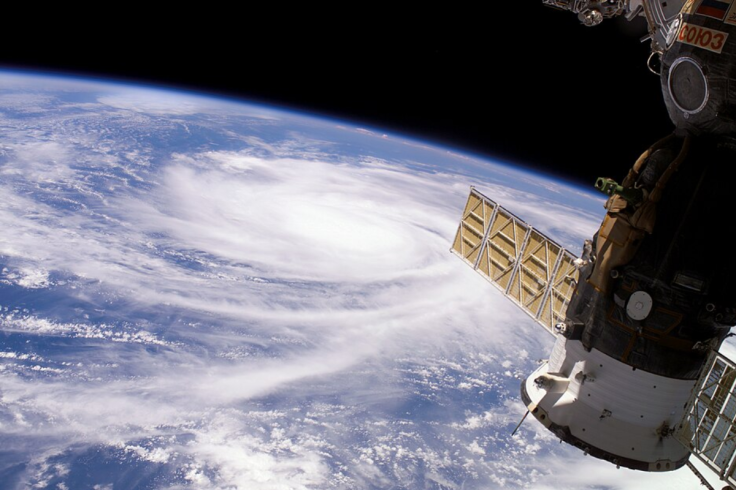
The world's oceans recorded their hottest July on record last month, with average sea surface temperatures reaching 20.96C, according to new data from the Copernicus Climate Change Service. The figure beat the previous July high of 20.89C, set in 2023. It comes as El Niño conditions continue to build across the tropical Pacific, a pattern scientists expect to strengthen further into autumn.
Globally, July 2026 also ranked as the joint second-warmest July on record, tied with July 2024. Surface air temperatures were around 1.47C above the estimated pre-industrial average for the month.
The might and power of the abyssal deep dictate the endless mood swings of the entire planet.
— Peter Clack (@PeterDClack) August 10, 2026
The air and its precocious shifting winds are almost entirely dominated by the depth, scale and complexity of the oceans. This is where the true rhythm of global climate comes from—not… pic.twitter.com/0OnjOuWEPc
El Niño 'Turning up the Heat' in the Pacific
Copernicus, which is implemented by the European Centre for Medium-Range Weather Forecasts, said the record reflected developing El Niño conditions in the equatorial Pacific, with exceptionally warm waters recorded across large parts of the region throughout July.
The World Meteorological Organization has separately confirmed the pattern is accelerating. WMO Secretary-General Celeste Saulo said its latest El Niño update 'confirms that El Niño conditions are developing in the tropical Pacific and are expected to influence weather and climate patterns around the world in the months ahead'.
The WMO's latest seasonal update forecasts El Niño will intensify into a strong event between August and October, with sea surface temperature anomalies expected to exceed 2.9C in parts of the tropical Pacific. A positive Indian Ocean Dipole is also forecast alongside the strengthening El Niño, a pattern that can amplify drought, flooding and wildfire risk in regions bordering the Indian Ocean.
Marine Heatwaves Grip Europe's Coastlines
The warming was not confined to the tropics. Copernicus recorded record high sea surface temperatures along the Atlantic coast and western Mediterranean, fuelling widespread and severe marine heatwaves around European coastal waters. Samantha Burgess, strategic lead for climate at Copernicus, said the conditions marked 'a clear example of how climate change is intensifying heat extremes, with heat and drought increasingly reinforcing one another'.
I want to answer the biggest misconception I see about climate change on the internet. Has Earth been warmer than it has now?
— Colin McCarthy (@US_Stormwatch) August 11, 2026
Of course it has. For most of Earth’s history, temperatures have been warmer than they have today.
Earth is the warmest it has been in roughly ~125,000…
Western Europe recorded its hottest June and July on record, with average temperatures across the two months running 2.79C above normal, Copernicus figures show. Prolonged high pressure trapped heat over the region while dry soils reduced natural cooling, contributing to some of the worst wildfire activity the continent has seen this summer.
Antarctic sea ice extent was also unusually low for the month, ranking fifth lowest on record for July, with below-average cover across most ocean sectors bar the Amundsen Sea. Oceans absorb the vast majority of excess heat generated by greenhouse gas emissions, meaning warming seas act as an early signal of broader climate shifts still to come.
As seawater heats up it expands, and that thermal expansion is already responsible for roughly a third of the sea level rise recorded to date, putting pressure on low-lying coasts and island nations. Hotter seas also strip oxygen from marine ecosystems and fuel longer, more intense marine heatwaves capable of bleaching coral reefs and collapsing kelp forests and fisheries that coastal communities depend on.
Warmer ocean surfaces additionally release more heat and moisture into the atmosphere, a process scientists link to heavier rainfall and more intense tropical storms. With El Niño still developing, researchers expect these effects to become more pronounced through the rest of 2026.
That points to a stretch of months in which marine heatwaves, wildfire risk and shifting rainfall patterns are all likely to intensify further, adding pressure to weather systems already strained by the underlying trend of human-caused warming. The next few months will show just how much additional stress the climate system can absorb, and how prepared the world is to respond.
© Copyright IBTimes 2026. All rights reserved.
- Recommended For You