The Six Key Things the US and Iran Agreed in Their Peace Deal — From Nuclear Dismantlement to the Strait of Hormuz
Breakthrough Deal Outlines Six Key Steps for Peace and Trade Restoration
The United States and Iran have secured a breakthrough outlining the six key things required to suspend their nearly four-month conflict. Spanning from verified nuclear dismantlement to restoring passage through the Strait of Hormuz, the agreement establishes a starkly different geopolitical landscape.
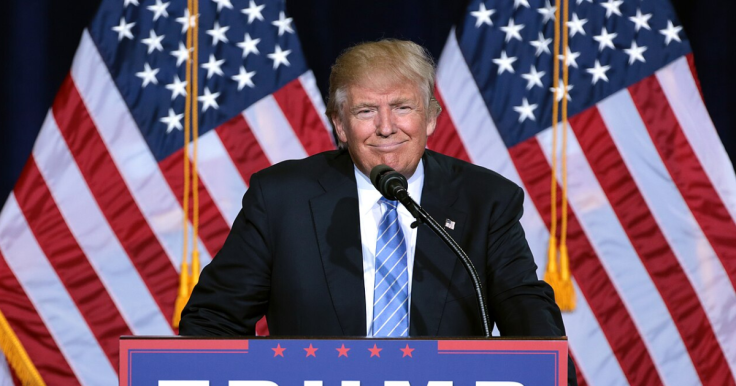
President Donald Trump and Pakistani Prime Minister Shehbaz Sharif publicly confirmed the terms of the deal over the weekend. Despite a severe military escalation threatening the framework at the eleventh hour, mediators preserved the tentative ceasefire.
Why Pakistani Mediation Proved Crucial to Pausing the War
Pakistan operated as the primary diplomatic conduit throughout the negotiation process. Prime Minister Sharif announced on X that both sides declared the immediate and permanent termination of military operations across all active fronts.
He confirmed the official signing ceremony will be held on 19 June in Switzerland. The delicate truce faced an immediate test following an Israeli military strike on the southern suburbs of Beirut.
The operation explicitly targeted Iranian-backed Hezbollah militants on Sunday. Diplomats feared the sudden escalation would derail the peace initiative before any official documents were signed.
The Six Crucial Commitments Governing Nuclear Material and Maritime Trade
First, the agreement mandates an absolute cessation of combat operations in all regions, specifically including Lebanon. This inclusion represents a major shift, as Israel had previously lobbied heavily to exclude Lebanese territory from any pact.
Second, the US formally committed to lifting its strict naval blockade on Iranian ports. Third, commercial vessels travelling through the Strait of Hormuz will resume normal transit without any imposed tolls.
Trump celebrated the maritime provisions on his Truth Social platform. He stated, 'The Deal with the Islamic Republic of Iran is now complete.'
He elaborated on the shipping impact, writing, 'I hereby fully authorize the toll free opening of the Strait of Hormuz, and, simultaneously herewith, authorize the immediate removal of the United States Naval blockade.' He also added, 'Ships of the World, start your engines. Let the oil flow!'
Fourth, Washington and Tehran scheduled technical talks for this week to resolve operational details. Fifth, the pact necessitates the total dismantling of the Iranian nuclear programme.
Under the sixth point, highly enriched nuclear material must be destroyed on-site by US personnel using an enforceable verification system. An administration official told MS Now that these measures guarantee 'long-term peace in the region,' including stability with Israel and proxy groups.
Why Deep Distrust Still Plagues the Upcoming Negotiation Window
As highlighted in Hindustan Times, the current framework is strictly a memorandum of understanding rather than a finalised peace treaty. It triggers a 60-day negotiating window for US and Iranian officials to develop a legally binding agreement.
Discrepancies regarding nuclear logistics have already surfaced. A senior Iranian official informed Reuters that Washington agreed to let Iran dilute its highly enriched uranium stockpile on Iranian soil, contrasting with stated American positions.
Iran's Deputy Foreign Minister Kazem Gharibabadi stressed that final negotiations depend entirely on the US fulfilling its promises. He indicated that hostilities must end, the naval blockade must lift, and frozen assets must be released first.
Gharibabadi clarified that the progress does not signal improved relations. 'This memorandum of understanding does not mean trusting the enemy,' he stated, noting Tehran will monitor American compliance.
The full text of the memorandum remains classified and will only be published after the 19 June ceremony.
© Copyright IBTimes 2026. All rights reserved.
- Recommended For You