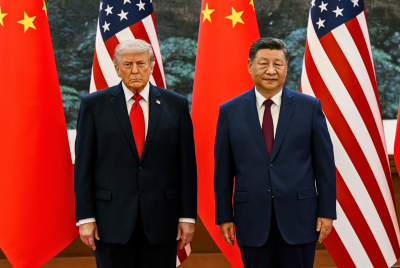
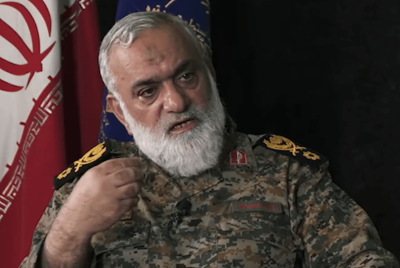
Vice President Vance: Iran May Access $300 Billion Reconstruction Fund — But Not from US Taxpayers
Vice President JD Vance outlines conditions for Iran's access to $300 billion fund
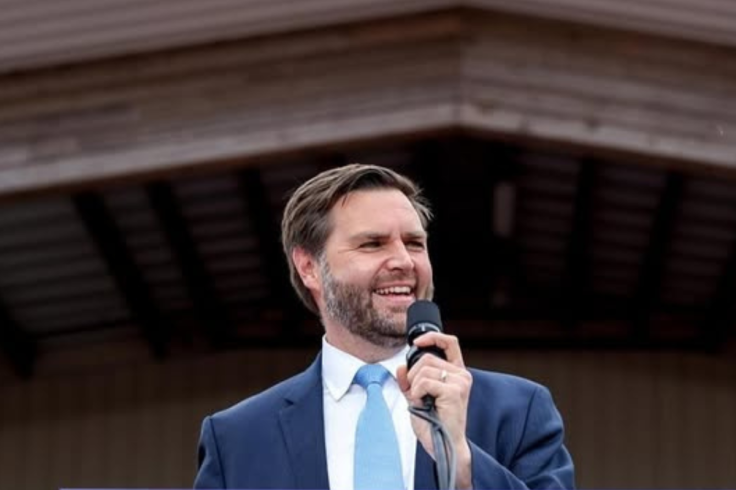
Vice President JD Vance has stated that Iran may be able to access a reconstruction fund worth $300 billion (£223.9 billion) under a tentative agreement with the United States, although he made it plain that no contributions would come from American taxpayers.
Speaking during a CBS News interview on Monday, he explained that financing would be provided by Gulf states contingent on Iran meeting its commitments in the framework designed to end recent fighting in the region.
Vance On Access To Iran Reconstruction Fund
During the discussion, Vance addressed Iranian assertions about gaining access to the fund as part of the deal. He responded that 'That's the sort of thing they could have access to, funded by the Gulf Coast Coalition, so long as they honour their end of the obligation.'
The vice president went on to observe that hardliners within the Iranian system would probably stress the advantages Iran stood to gain while minimising the concessions and commitments it would need to make to qualify for those advantages.
He further clarified the US position by saying the administration was open to Gulf coast countries investing in the reconstruction of Iran, but only if Iran ends its nuclear programme, ends its enriched stockpile of material, and is really open to an inspections and enforcement regime that gives the American people confidence they are never going to have a nuclear weapon. Vance stressed the importance of these safeguards in any arrangement.
Gulf States Positioned As Key Financiers
This potential reconstruction support is tied to a broader memorandum of understanding that was signed electronically on Sunday between the US and Iran. The framework seeks to conclude more than three months of conflict which began in late February following US and Israeli military actions against Iranian facilities. Iran had retaliated against targets in several Gulf nations that host American military installations.
Key elements include lifting the US naval blockade of Iranian ports that had been in place for around two months and reopening the Strait of Hormuz to international shipping on a permanent, toll-free basis. Officials have said the more Iran behaves like a normal country and demonstrates willingness to be a good partner, the more the United States would be willing to open up its economy and provide sanctions relief.
Any access to reconstruction support would be tied to Iran fulfilling nuclear-related obligations and other truce conditions. Senior officials have described the process as phased, with further technical negotiations scheduled to begin later this week. The full text of the agreement is due to be released in the coming days.
Broader Deal Aims To Prevent Nuclear Development
Vance emphasised during the interview that the overarching goal remained ensuring Iran never acquires a nuclear weapon. He pointed out that while some details were still being finalised, the deal represented progress towards long-term stability. Critics have expressed scepticism about the arrangement, particularly given the lack of public text so far and past experiences with Iranian compliance.
Footage shared in a post on X by MCBN News captured the exchange from the CBS broadcast, showing Vance directly addressing the reconstruction fund question in the context of Gulf state involvement.
CBS: The Iranians are saying that they're gonna have access to a 300 billion dollar reconstruction fund. True or false?
— MCBN (@MCBNNEWSS) June 15, 2026
JD Vance: that that's the sort of thing they could have access to funded by the Gulf Coast coalition so long as they honour their end of the obligation. pic.twitter.com/qYKUppX8dT
The memorandum is expected to be signed in Geneva on Friday, after which implementation details would be worked out. US officials have reiterated that no American taxpayer funds would be directed to Iran under any circumstances.
© Copyright IBTimes 2026. All rights reserved.
- Recommended For You