Zelensky Turns to Battle-Hardened General Mykhailo Drapatyi After Ukraine Military Shake-Up
Ukrainian President Volodymyr Zelensky replaces top military leader following public outcry for change.
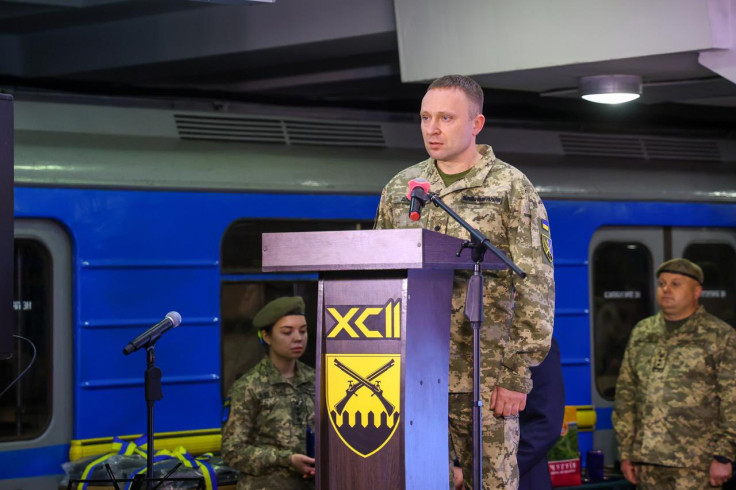
Ukrainian President Volodymyr Zelensky has appointed Major General Mykhailo Drapatyi as the new commander-in-chief of the Armed Forces of Ukraine, replacing General Oleksandr Syrskyi in the country's biggest military leadership shake-up since Russia's full-scale invasion began more than four years ago. The move follows days of public protests and mounting pressure on Kyiv's wartime leadership as Ukraine seeks to maintain momentum against Russian forces.
The appointment places one of Ukraine's most battle-tested commanders at the helm of the military during a critical phase of the war. At 43, Drapatyi is viewed by many military analysts and fellow officers as a representative of a new generation of Ukrainian commanders shaped by frontline combat rather than Soviet-era military traditions.
Why Zelensky Replaced Syrskyi
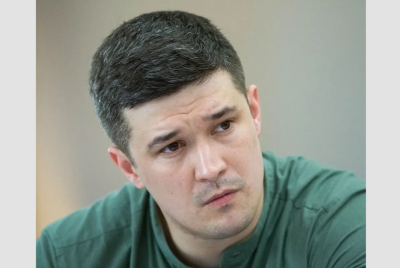
Zelensky announced the leadership change on 21 July as part of a broader effort to modernise Ukraine's military command structure and strengthen the country's long-term war strategy. The decision came after street protests erupted following a government reshuffle that included the dismissal of former Defence Minister Mykhailo Fedorov, a popular reform advocate known for promoting drone warfare and military technology.
While Syrskyi played a central role in several of Ukraine's most important wartime successes, including the defence of Kyiv and the Kharkiv counteroffensive, critics increasingly accused him of maintaining a rigid command style that failed to adapt quickly enough to evolving battlefield realities. Protesters and reform advocates argued that Ukraine needed fresh leadership capable of accelerating modernisation efforts and improving accountability within the armed forces.
In his evening address, Zelensky praised Syrskyi's contributions but said Ukraine must continue reforming its military leadership to meet future challenges and strengthen its ability to pressure Russia.
The Commander Forged by War
Drapatyi's military reputation dates back to 2014, when he gained national recognition during fighting in Mariupol against Russian-backed separatists. Images and footage of his armored vehicle breaking through enemy barricades became symbolic of Ukraine's early resistance efforts in the conflict.
Over a 26-year military career, Drapatyi rose from a tank lieutenant to one of Ukraine's most respected combat leaders. He played key roles in defending Kherson, Kryvyi Rih and the Kharkiv region, helping halt Russian advances during some of the war's most intense periods. Colleagues frequently describe him as a commander willing to challenge bureaucracy and embrace technological innovation.
His reputation for accountability also earned widespread respect. After a deadly strike on a Ukrainian training facility in 2025, Drapatyi publicly accepted responsibility and offered his resignation, a rare move among senior military officials.
I have decided that Mykhailo Drapatyi will become the new Commander-in-Chief of the Armed Forces of Ukraine. Together with Mykhailo, Yevhenii Khmara, and Pavlo Palisa, we determined how the General Staff of the Armed Forces of Ukraine should be reconfigured. It is a fact that… pic.twitter.com/spK2B2ppHP
— Volodymyr Zelenskyy / Володимир Зеленський (@ZelenskyyUa) July 21, 2026
What Comes Next for Ukraine
Drapatyi now inherits command of a military that remains under intense pressure despite recent gains. Outgoing commander Syrskyi said Ukrainian forces recaptured roughly 700 square kilometers of territory this year, while continuing offensive and defensive operations across multiple fronts.
Zelensky has indicated that Ukraine will continue pursuing long-range strike operations against Russian military and logistics targets while advancing reforms aimed at improving weapons procurement, drone deployment and troop management. The new commander is expected to play a central role in shaping those efforts.
For many Ukrainians, Drapatyi's appointment represents more than a leadership change. It signals a broader attempt to modernise the military and restore public confidence as the country enters another uncertain chapter in its war with Russia.
© Copyright IBTimes 2026. All rights reserved.
- Recommended For You