World's Rarest Orangutans Pushed Closer to Extinction As 58 Were Killed After Four Days of Extreme Rain
Extreme weather events in North Sumatra threaten the survival of one of the world's rarest orangutan populations.
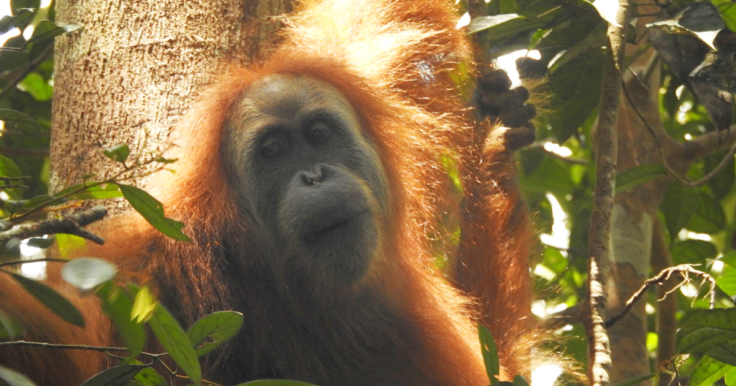
One of the world's rarest orangutan populations has been pushed closer to extinction after 58 individuals out of 800 were reported dead following four days of extreme rainfall in November 2025, according to conservation sources.
The deaths are believed to have occurred in a highly restricted and already fragmented habitat, where the population exists in extremely low numbers and is considered one of the most vulnerable genetic groups of orangutans in the wild.
According to a recent study, the incident followed prolonged heavy rainfall that caused widespread disruption to forest conditions, leaving wildlife exposed to injury, displacement, and severe habitat loss.
While officials and conservation groups are still verifying the full scale and classification of the deaths, early assessments suggest the event could represent one of the most significant single environmental losses recorded for this population.
Where The Incident Happened And Why It Matters
The affected population is believed to be located in Indonesia's North Sumatra province, within a protected or semi-protected conservation landscape where orangutans already survive in isolated pockets.
Experts say the region's ecological sensitivity makes it particularly vulnerable to extreme weather events, especially when heavy rainfall triggers flooding, landslides or prolonged canopy collapse.
Researchers familiar with the area describe the event as a fragmented habitat where population recovery is already extremely limited due to low breeding density and genetic isolation.
This lack of population resilience means that even small-scale mortality events can have outsized consequences for long-term survival.
What Caused The Deaths: Flooding, Habitat Collapse, And Starvation Risk
While full scientific verification is still ongoing, early field assessments suggest the deaths were likely linked to a combination of flooding, tree collapse and starvation risk caused by sustained heavy rainfall.
Orangutans depend almost entirely on forest canopy structures for movement, feeding, and nesting. When prolonged rainfall weakens or destroys these structures, individuals can become stranded, injured, or unable to access food sources.
In extreme conditions, entire sections of forest canopy can collapse, forcing orangutans into unfamiliar ground-level environments where they are more exposed to danger and ecological stress.
Conservationists warn that such weather events are becoming more frequent and intense, consistent with broader climate change patterns affecting Southeast Asian rainforests.
Experts Warn Population May Be Near A Critical Threshold
Wildlife specialists say the reported loss of 58 Tapanuli orangutans represents around 7 per cent of the total population, though exact baseline numbers remain limited due to the remote and fragmented nature of the habitat.
If confirmed, the scale of mortality would raise serious concerns that the population is approaching a critical threshold where natural recovery may no longer be viable without sustained intervention.
Deckey Chandra, a conservation scientist familiar with the region, highlighted:
'I have seen several dead bodies of humans in the past few days, but this was the first dead wildlife.
'They used to come to this place to eat fruits. But now it seems to have become their graveyard.'
However, researchers also stress that full verification is still required before determining whether all reported individuals are confirmed dead, missing, or displaced.
Why This Population Is So Vulnerable
Orangutans are already classified as critically endangered, but this particular population is considered especially rare due to its genetic isolation and extremely limited distribution.
Unlike larger, more connected orangutan populations in other parts of Borneo and Sumatra, this group exists in small, fragmented forest patches that limit breeding opportunities and reduce genetic diversity.
This makes recovery from sudden shocks significantly more difficult.
Conservation data indicate that populations of this size are highly sensitive to environmental disruption, where even short-term habitat loss can result in long-term demographic decline.
Climate Change And Increasing Environmental Instability
Scientists increasingly link extreme rainfall events in tropical regions to broader climate change-driven shifts in weather patterns.
In Southeast Asia, intensified monsoon cycles and unpredictable storm systems have contributed to flooding, landslides, and forest degradation, all of which directly threaten arboreal species like orangutans.
Beyond immediate mortality, such events also damage food sources, reduce reproductive success and fragment habitats further, compounding long-term population decline.
Orangutans also play a key ecological role as seed dispersers, meaning their loss can disrupt forest regeneration and biodiversity stability across entire ecosystems.
Conservation Response And Verification Efforts
Conservation teams are now working to confirm the full extent of the reported deaths, including whether the figure of 58 represents confirmed fatalities, missing individuals, or preliminary field estimates.
Field surveys are being prioritised to assess habitat damage, locate surviving individuals and determine whether parts of the population may have been displaced rather than killed.
Local wildlife authorities and conservation organisations are expected to release more detailed findings once on-the-ground verification is complete.
International Concern Over Possible Irreversible Loss
The reported scale of the incident has triggered concern among global conservation groups, who warn that rare and isolated populations are at heightened risk of irreversible decline if extreme weather events continue to intensify.
Calls are growing for stronger habitat protection, improved climate resilience planning in conservation zones, and expanded funding for long-term monitoring of high-risk populations.
However, experts caution that conservation responses often lag behind rapid environmental shocks, leaving already fragile species exposed to repeated crises.
© Copyright IBTimes 2026. All rights reserved.
- Recommended For You