Trump Plans to Nearly Double the Cost of Becoming an American and Scrap Fee Waivers for Low Income Applicants
Citizenship is becoming more expensive, and a lot less forgiving.

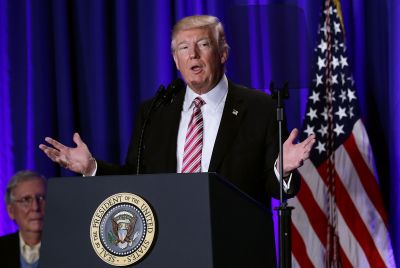
The Trump administration has moved to almost double the cost of applying for US citizenship, proposing a rule in late June 2026 that would sharply raise naturalisation fees and scrap most waivers for low‑income applicants. Under the plan, U.S. Citizenship and Immigration Services, part of the Department of Homeland Security, would lift the standard paper filing fee for citizenship to $1,330 from $760, while the online fee would rise to $1,280 from $710.
For context, the proposal follows a DHS argument that USCIS must recover the full cost of adjudicating naturalisation applications, including more extensive screening and vetting linked to President Donald Trump's executive orders. Previous administrations kept citizenship fees relatively low to encourage naturalisation and integration, but DHS now says that approach no longer fits its priorities.
Citizenship Fees Under Trump Rise Again
The core change is simple enough, even if the politics behind it are not. Paper applicants would pay $570 more to file Form N‑400, while the online version would also cost $570 more, according to the proposed rule. The fee for asking USCIS to reconsider a denied citizenship request, Form N‑336, would also rise under the proposal, with AILA summarising the increase at $1,475 for paper filings and $1,425 online.
This would make naturalisation materially more expensive at a time when the government is already adding more layers to the process. USCIS is largely funded by the fees it collects, so DHS argues the price rises are needed to match the cost of the work it now says must be done. Critics see another barrier placed in front of legal immigrants who have already done what was asked of them.
Citizenship Fee Waivers Set To Disappear
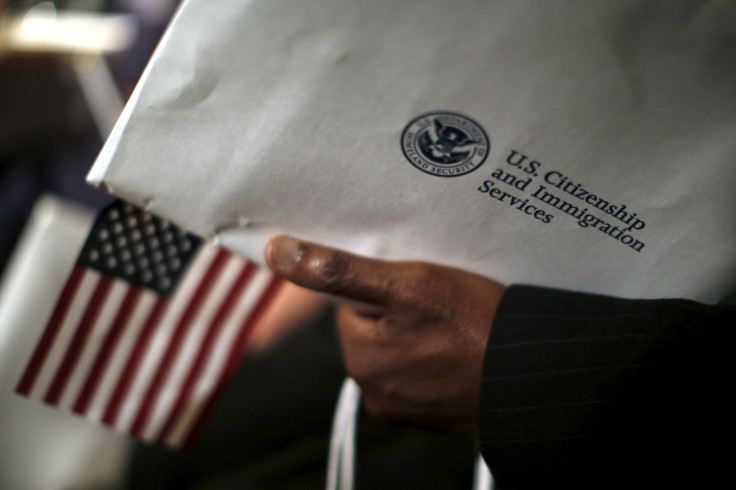
The bigger change may be the loss of financial relief. Under the proposal, fee waivers for citizenship cases would be eliminated, along with the option for reduced fees for applicants whose household income is at or below 400 per cent of the federal poverty line.
Fee exemptions for service members would remain in place, but for many others the path would be much tougher. USCIS has long offered lower costs in naturalisation cases because the government wanted to promote citizenship and integration, yet DHS now says it no longer believes those applications should be subsidised at the expense of other immigration benefits. The result is clear. Becoming a citizen could soon cost far more, and for some applicants it may simply be out of reach.
Trump Administration Tightens The Net
The fee plan fits into the broader direction of the second Trump administration's immigration crackdown. DHS has already moved to scrutinise the 'good moral character' requirement more aggressively, revived long‑dormant neighbourhood checks that involve contacting neighbours and co‑workers, and stepped up denaturalisation efforts against foreign‑born Americans accused of fraud. Together, these measures amount to a much harsher posture than the one previous administrations adopted.
Doug Rand, a former senior USCIS official under the Biden administration, questioned the logic of the fee increase. He said: 'The only credible explanation for jacking up citizenship fees in isolation is that Trump 2.0 is in a hurry to create even more undue barriers for legal immigrants.'
DHS, for its part, says the proposal is about recovery of costs and the price of more thorough vetting. In a statement, the department said the rule would 'periodically adjust fees to recover the full cost of their adjudication', adding that current fees fail to cover the screening and vetting checks required under Trump's executive orders. The administration argues that the system needs to pay for itself. Its critics say the government is turning citizenship into a pricier and meaner business.
The proposed regulation is not in force yet. It must still move through the federal rulemaking process, including a 60‑day public‑comment period before any final version can take effect. That leaves room for objections, revisions and political pressure, though none of those guarantee a softer outcome.
What is already clear is that the Trump administration has chosen to make naturalisation more expensive at the same time as making the process more exacting. Whether that is framed as fiscal responsibility or a hard nudge away from citizenship depends on who you ask, and on how much they have to pay to ask it.
© Copyright IBTimes 2026. All rights reserved.
- Recommended For You