Don't Let Your Next Bungee Jump Be Your Last: The Terrifying Brazil Tragedy Every Thrill-Seeker Must Read
The death of Maria Eduarda Rodrigues de Freitas has sent shockwaves through the industry, raising urgent questions about human error and accountability in extreme sports.
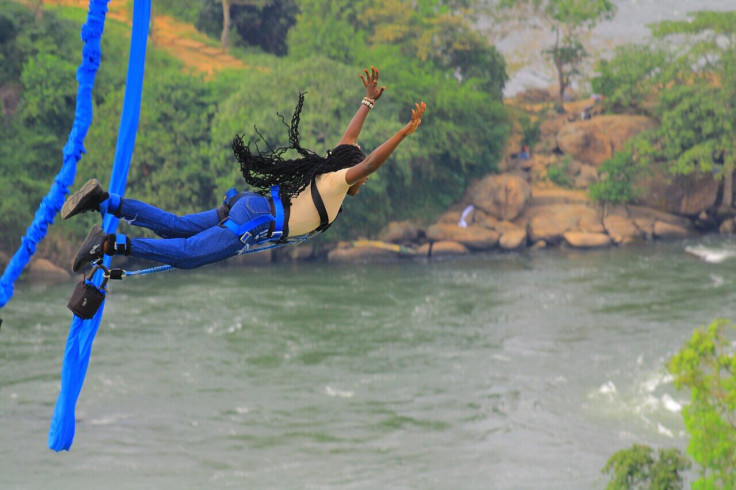
The tragic death of 21-year-old Maria Eduarda Rodrigues de Freitas during a bungee jump in Brazil has ignited a global debate over adventure tourism risks.
Authorities in São Paulo state are investigating the incident at the Skeleton Bridge, where witnesses report that staff allegedly failed to attach a critical safety rope before the young woman was sent over the edge of the 40-metre structure.
The incident, which occurred on 13 June, resulted in the immediate death of the recent physical education graduate. As investigators piece together the events, the focus has shifted from potential equipment failure to the harrowing possibility of a catastrophic lapse in safety check procedures.
With multiple arrests already made in connection with the case, the tragedy serves as a grim reminder that in the world of extreme sports, the greatest danger often lies not in the height but in the people operating the experience.
The Brazil tragedy raises a question every traveller should ask before booking their next adrenaline-filled experience: Could this happen to me?
The Danger You Can't Always See
From bungee jumping and ziplining to parasailing, rafting, and scuba diving, modern adventure tourism relies heavily on safety systems and trained staff.
But even the best equipment is only as effective as the people using it.
In industries ranging from aviation to healthcare, critical procedures often require multiple checks because a single oversight can have devastating consequences. Adventure sports safety is no different.
While accidents remain rare, experts say participants should take an active role in their own safety rather than assuming everything has been checked correctly.
Seven Critical Questions Before You Book
Travellers should not leave their fate entirely in the hands of operators. Before engaging in any adventure sports, you must adopt a proactive approach to your own security.
- Is the operator licensed and accredited? Never assume a site is legitimate. Ask to see physical proof of certification from recognised adventure tourism bodies.
- What is the emergency response plan? A professional operator will detail exactly how they handle medical crises or sudden weather shifts. If they seem vague, walk away.
- When was the equipment last inspected? Request documentation for recent maintenance. If they cannot provide a log of harness and rope checks, do not jump.
- Are safety briefings rushed? If a staff member skims over the instructions or discourages questions, they are likely ignoring procedural discipline.
- Who performs the final verification? There should always be a second person, or a 'four-eyes' rule, to double-check every connection. Who is the person checking the checker?
- Are you physically and mentally fit? Be honest about your health. Conditions such as heart issues or recent surgeries can significantly increase your risk profile.
- Is the weather holding? Wind, rain, and poor visibility are major factors. If an operator insists on jumping during poor conditions to avoid losing revenue, they are prioritising profit over your life.
UPDATE : Three bungee jumping employees have been arrested in Brazil for causing the death of a 20year old woman by throwing her off a bridge without a safety rope. https://t.co/x13qvxp7SR pic.twitter.com/sHEmtxedE1
— LACEY🌹 (@Abena_Lacey) June 15, 2026
Warning Signs Most Travellers Miss
One of the biggest mistakes in adventure tourism safety is focusing solely on equipment while overlooking the people who operate it. Rushed briefings, distracted staff, overcrowded groups, and skipped safety checks can all indicate that procedures are not being followed as carefully as they should be.
Travellers should also pay attention to whether there is a final verification process before an activity begins. A question many people never think to ask is: who performs the last safety check?
Ideally, there should be a second person verifying critical connections and procedures. Redundant checks exist for a reason; they help catch mistakes before they become tragedies.
Why These Questions Matter
Investigators are still working to determine exactly what happened in Brazil. However, the case has already highlighted the importance of safety checks, communication, and procedural discipline.
No checklist can eliminate risk. Adventure activities are exciting precisely because they involve an element of uncertainty. But asking the right questions before adventure activities can help travellers make better decisions, choose responsible operators, and spot potential red flags before it is too late.
The lesson from Brazil is not that people should stop seeking adventure. It is that a few minutes spent evaluating safety measures before taking the plunge may be the most important part of the experience.
© Copyright IBTimes 2026. All rights reserved.
- Recommended For You