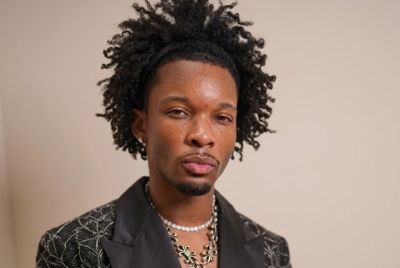
Celeste Rivas Murder Case: Parents Signed Travel Consent Form for 14-Year-Old Daughter and D4vd
A family's silence, a notarised form and a dead 14-year-old now haunt a courtroom trying to untangle who failed Celeste Rivas.

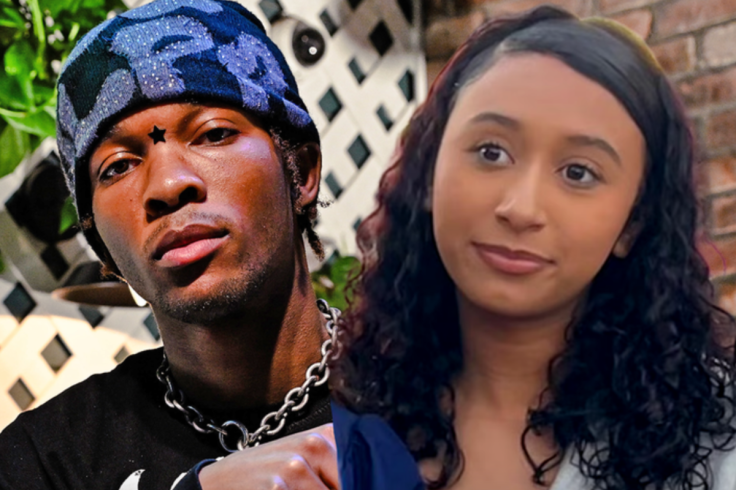
A Los Angeles court has heard that the parents of Celeste Rivas, who was 14 when she died, allegedly signed a notarised travel consent form allowing her to travel to London with singer D4vd in 2024.
The claim emerged during a preliminary hearing in the murder case against the artist, whose legal name is David Burke.
The hearing is intended to determine whether prosecutors have presented sufficient evidence for the case to proceed to trial. It is not a determination of guilt or innocence.
At the conclusion of the hearing, the judge ruled that the prosecution had presented enough evidence for the case to move forward.
D4vd has pleaded not guilty to murder and related charges.
Alleged Travel Document Discussed in Court
During Tuesday's hearing, both prosecutors and defence lawyers referred to what they described as a notarised parental consent form authorising Celeste to travel internationally with D4vd for approximately one week in 2024.
According to defence counsel Blair Berk, the document listed D4vd as the accompanying adult and did not identify other family members as travelling companions.
The document has not been released publicly, and its contents have not been independently verified by IBTimes UK.
Berk argued that the alleged consent form suggested Celeste's contact with D4vd was known to members of her family rather than being concealed from them.
Prosecutors did not dispute that the document existed during the hearing, although the significance of the document remains contested.
The court did not hear testimony from Celeste's parents explaining the circumstances in which the alleged consent form was signed.
Their attorney has declined to comment publicly on the defence's characterisation of the evidence.
Detective Testifies About Investigation
The hearing also included testimony from Los Angeles Police Department Detective Corey Farell, who outlined aspects of the investigation and evidence gathered by detectives.
According to Farell's testimony, investigators recovered text messages and other digital evidence relating to the relationship between Celeste and D4vd.
Farell told the court that investigators believed the relationship 'was no secret', describing conclusions drawn from interviews and electronic communications reviewed during the investigation.
Those statements reflect the detective's testimony during the preliminary hearing rather than findings made by a jury.
Defence Raises Questions About Family Awareness
The defence also referred to other evidence it argues demonstrates that Celeste's interactions with D4vd were known to members of her family.
During cross-examination, Berk referred to alleged trips to Las Vegas, attendance at concerts, planned hotel stays, family outings and proposed church visits.
Detective Farell acknowledged that investigators had recovered messages discussing some of those plans but said police did not have direct evidence confirming that every planned activity ultimately took place.
The defence argues that this evidence is relevant to understanding the relationship between Celeste and D4vd.
The prosecution has alleged that D4vd engaged in an unlawful sexual relationship with Celeste before her death and later murdered her.
Those allegations remain contested.
Evidence presented during the hearing contrasts with earlier public statements made by Jesus Rivas, Celeste's father.
In May, through his attorney, he said he had never had contact with D4vd and denied that the family had received money from the singer or his relatives.
Those statements were not the subject of findings during Tuesday's hearing, and the court was not asked to determine whether earlier public comments were accurate.
Celeste's parents are not charged with any criminal offence in connection with the case.
Case Moves Towards Trial
Prosecutors allege D4vd killed Celeste after she threatened to reveal what they describe as an unlawful sexual relationship.
During the hearing, investigators also referred to text messages and photographs recovered during the investigation.
The court did not examine those materials in detail during the public proceedings.
Following several days of testimony, the judge ruled that prosecutors had met the legal threshold required for the case to proceed to trial.
That ruling does not constitute a finding that the allegations are true.
As with all criminal proceedings, D4vd is presumed innocent unless and until proven guilty in court.
Further hearings are expected as the case proceeds through the California criminal justice system.
© Copyright IBTimes 2026. All rights reserved.
- Recommended For You