Congressman Claims He Saw Alien Reports That Could 'Unglue' the Nation, Says Americans Would Be 'Up at Night'
'I've been briefed by just about every alphabet agency there is,' says Burchett

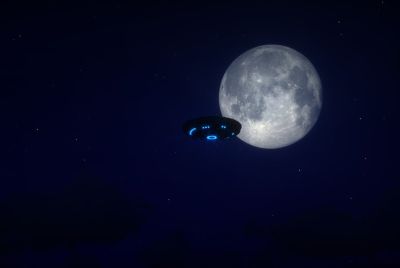
Tennessee Republican Representative Tim Burchett has claimed he has seen government alien reports that, if made public, could shock the nation. Speaking on Newsmax on Wednesday, 1 April, Burchett said that Americans would be 'up at night' worrying about the revelations. He serves on the House Task Force on the Declassification of Federal Secrets, a body responsible for reviewing sensitive information, including unidentified flying objects and unexplained aerial phenomena.
Burchett emphasised that his warnings are based on briefings from multiple government agencies. He stated that the information he has reviewed is so serious that releasing it could have 'unglued' the country. 'I've been briefed by just about every alphabet agency there is, and if they were to release the things I've seen, you would be up at night thinking about this stuff,' he said.
Background on Burchett's UFO Advocacy
Since joining Congress, Burchett has been vocal about investigating UFOs and outer space activity. Nearly three years ago, he led a bipartisan effort to formally explore the existence of extraterrestrial life and unidentified aerial phenomena. At the time, as reported by People, Burchett highlighted that citizens across the United States had approached him about sightings, often at the risk of their reputations or careers.
Despite this effort, he said there was significant resistance within Congress. 'We've had a heck of a lot of pushback about this hearing. There are a lot of people who do not want this to come to light,' Burchett noted. He has consistently called for greater transparency on UFO-related information, arguing that Americans deserve access to what the government knows.
Claims About Withheld Information
Burchett suggested that one reason information is not disclosed is that individuals who are briefed on sensitive matters sometimes vanish or die, referencing reports about defence scientists in the past year. To dispel rumours about his own safety, he added, 'For the record, I'm not suicidal.'
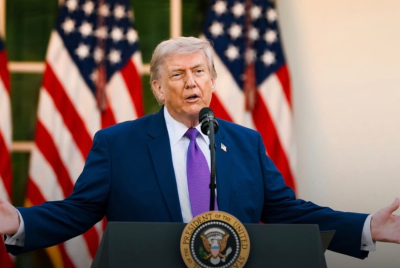
He also stated that he had urged President Donald Trump to release all alien-related information. While he did not provide specific details about the content of the briefings, Burchett said that the material he reviewed two weeks prior would have 'set the Earth on fire' if made public.
Government Moves on Alien Information
UFO disclosure has received increased attention in recent years, with multiple government agencies scrutinising unidentified aerial phenomena. President Donald Trump pledged to release UFO-related files during his time in office, signalling a move towards greater transparency.
The US Cybersecurity and Infrastructure Security Agency (CISA) recently registered the domains aliens.gov and alien.gov, though neither site is currently active. A White House spokesperson confirmed that further details about these portals will be announced in the near future.
The Pentagon and intelligence agencies have acknowledged previously unexplained sightings and established task forces to study UAPs, issuing public reports and briefings. Lawmakers, including Burchett, have suggested that releasing more information could satisfy public curiosity and support scientific study, while experts caution that partial disclosures may risk misinformation or public concern.
Balance Between Transparency and National Security
The surge in attention to alien reports highlights a balance between government transparency and national security. Observers note that ongoing scrutiny of UAPs may lead to additional congressional hearings, new reporting requirements for defence agencies, and updates to protocols for handling classified material.
Public interest in extraterrestrial life continues to grow, amplified by coverage on social media, news outlets, and independent research organisations. The discussion over disclosure reflects broader questions about how much information should be shared, how it might affect public perception, and the potential implications for scientific research and national security.
© Copyright IBTimes 2026. All rights reserved.
- Recommended For You