Karmelo Anthony's $635K GiveSendGo Fundraiser Pulled After Murder Conviction — What Happens to the Money?
GiveSendGo cites policy against supporting individuals convicted of violent crimes for pulling down the fundraiser
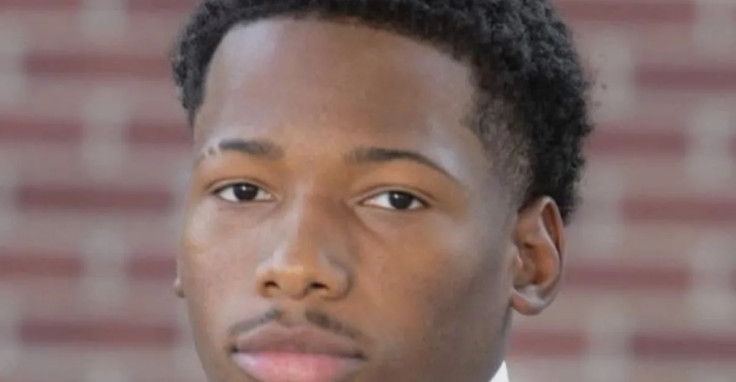
GiveSendGo took down the primary fundraiser for Karmelo Anthony on Wednesday. The page had been collecting donations for 14 months. It closed with more than $635,000 ($635,142) raised as of 10 June.
The removal came the next day a Collin County, Texas, jury convicted Anthony, 19, of first-degree murder for the April 2025 fatal stabbing of 17-year-old Austin Metcalf at a Frisco high school track meet, and sentenced him to 35 years in prison. GiveSendGo confirmed the fundraiser closure in a statement, citing its policy barring campaigns that financially reward, glorify, or support the lifestyle of individuals convicted of violent crimes. The listing, which has since been replaced by the message 'This campaign is unpublished,' had drawn more than 18,000 individual donations over its lifetime.
GiveSendGo chief executive Jacob Wells told the New York Post that the platform could not comment on the specifics of how campaign funds would be moved, only that disbursement would follow the platform's standard procedure. Wells added that the Anthony family would be permitted to establish a new campaign, provided it aligned with the platform's terms of service.
Following the removal of the original page, Anthony's mother launched a new fundraiser on GiveSendGo, NYPost reported. The stated goals of the original campaign extended well beyond legal fees: Anthony's mother, Kayla Hayes, had written on the page that funds would also cover the family's safe relocation due to security threats, basic living costs, transportation, and counseling.
What GiveSendGo's Own Rules Say
The platform's decision to host the fundraiser through the full trial, then pull it within 24 hours of conviction, draws a precise line in its terms of service. GiveSendGo's policies bar fundraisers that promote violence, illegal activities, or fail to provide an adequate explanation of where funds will go.
Before the verdict, Wells had defended the company's position explicitly. 'Just because Karmelo has admitted to killing someone doesn't mean that he's a murderer,' Wells told TMZ before the verdict was returned. 'It means that he killed somebody. He, like everyone in the United States, deserves the same presumption of innocence that everyone else does.'
The jury took fewer than three hours to reject that framing, finding Anthony guilty on 9 June, after seven days of trial. The self-defense argument at the center of his case did not persuade jurors. The fundraiser, however, kept collecting money even as the verdict was being read, with small donations totalling up to $4,000 arriving through Tuesday evening.
The $635,000 Question
Whether the Anthony family received any of that money before the page came down is a question GiveSendGo has not answered in full. GiveSendGo co-founder Jacob Wells had stated in April 2025 that the bulk of the funds were intended for Anthony's legal defense, and confirmed to TMZ at the time that no funds had been dispersed. Anthony was represented at trial by private defense attorney Mike Howard, not a public defender, indicating at minimum that some funds reached the family in the intervening 14 months. Wells did not confirm how much had been disbursed as of the fundraiser's closure.

The campaign attracted scrutiny in its early months when unverified claims spread on social media that the Anthony family had used donations to rent a $900,000 home and purchase a new vehicle. Those claims were investigated and found to be false. Fact-checking website Snopes confirmed through a direct exchange with GiveSendGo's Wells that no funds had been dispersed to the family as of April 2025, when those allegations surfaced.
A Policy Question That Extends Beyond This Case
This isn't the first time GiveSendGo has been embroiled in a controversy. The platform had previously faced similar questions over a fundraiser for Luigi Mangione, the suspect in the killing of UnitedHealthcare chief executive Brian Thompson, which had raised more than $1.5 million for his legal defense. Mangione has not yet been convicted. GiveSendGo's policy, as applied in the Anthony case, draws the line at conviction rather than accusation, a distinction that will continue to attract scrutiny as high-profile criminal cases increasingly generate crowdfunding activity alongside legal proceedings.
GoFundMe, the larger rival platform, had taken down fundraisers linked to Anthony at an earlier stage, citing its policy against campaigns for individuals accused of crimes. GiveSendGo has positioned itself explicitly as an alternative for cases GoFundMe will not host.
Anthony, now held at Collin County Jail in isolation, faces a 35-year sentence with parole eligibility after serving half. His mother wept as the verdict was read. He broke down in tears and was walked from the courtroom. Hunter Metcalf, Austin's twin brother, who watched his brother die at Kuykendall Stadium on April 2, 2025, sat through the verdict in court.
© Copyright IBTimes 2025. All rights reserved.
- Recommended For You