Who Is Ha Young? South Korean Actress Caught in Controversy Over Great-Grandfather's Alleged Pro-Japanese Past
The controversy emerged days before South Korea marks Liberation Day on 15 August

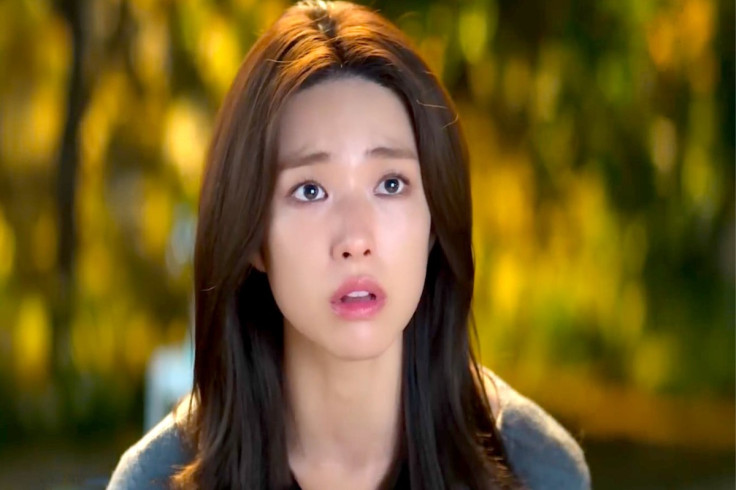
South Korean actress Ha Young has faced growing criticism after comments about her great-grandfather's medical career triggered controversy over his alleged links to pro-Japanese activities during Japan's colonial rule of Korea.
According to reports, the dispute intensified on 11 August 2026, after her agency withdrew its initial dismissal of the allegations and acknowledged historical records connecting her great-grandfather, Ahn Sang-ho, to a pro-Japanese organisation.
Who Is South Korean Actress Ha Young?
Ha Young, whose real name is Ahn Ha-young, was born in Seoul on 11 August 1993. She studied Western painting at Ewha Womans University before pursuing graduate studies at the School of Visual Arts in New York.
She initially worked as a model before making her acting debut in 2019. Her credits include Doctor Prisoner, Chocolate, Mouse, Doona! and Face Me.
She gained wider recognition in 2025 as nurse Cheon Jang-mi in Netflix's The Trauma Code: Heroes on Call. She has since appeared in several Korean television and streaming projects, most recently in Our Sticky Love.
Why Is Ha Young Facing Backlash?
The controversy began after Ha Young appeared on KBS2's Problem Child in House in August.
During the programme, she spoke proudly about her family's medical background and said her great-grandfather had studied Western medicine in Japan before returning to Korea. She also described his medical career and claimed he had treated Emperor Gojong.
Online users subsequently identified the man as Ahn Sang-ho, a Korean doctor who studied at Tokyo's Jikei Medical School and obtained a Japanese medical licence in the early 1900s.
Historical records have since become the focus of the controversy.
What Records Link Ahn Sang-ho to Japan?
Reports citing historical records state that Ahn Sang-ho was listed as a council member of the Daejeong Friendship Association in 1916.
Historians and Korean media have described the organisation as pro-Japanese, with activities that promoted cooperation and assimilation between Korea and Japan during the colonial period.
A 1918 article published by Maeil Sinbo, a newspaper operated under the Japanese Government-General of Korea, also reportedly described Ahn's close adoption of Japanese customs, including his marriage to a Japanese woman and the use of Japanese clothing.
These records have prompted criticism of the way his legacy was presented on television.
Ha Young's Agency Reverses Its Initial Response
Ha Young's agency, Bistus Entertainment, initially rejected the pro-Japanese allegations on 10 August, describing them as groundless.
However, on Tuesday, the agency changed its position. It acknowledged that Ahn Sang-ho's name was on a 1916 membership list for the organisation.
The agency apologised for its earlier response, saying it had acted without sufficient verification. It also said Ha Young was deeply troubled that her comments had unintentionally sparked controversy.
The agency said she would approach historical matters more carefully and humbly in the future.
Why the Controversy Is So Sensitive in Korea
The timing has added sensitivity because the dispute emerged just days before South Korea's Liberation Day on 15 August.
Public criticism has focused not simply on Ha Young's family connection but on the historical record surrounding Ahn Sang-ho and her presentation of his medical achievements without reference to the disputed colonial-era context.
Writer Son Jae-won also publicly criticised the actress, arguing that descendants should not portray the activities of pro-Japanese collaborators as a source of pride.
Ha Young has not been accused of participating in any pro-Japanese activity herself. The controversy centres on her comments about her great-grandfather and the historical record of his activities.
Furthermore, her agency's corrected statement and apology remain the latest development, while discussion continues across South Korean entertainment and historical circles.
© Copyright IBTimes 2026. All rights reserved.
- Recommended For You