Should Melania Trump Be Jealous? Secret Service Reportedly Flagged 'Aggressive Attention' of Trump's Aide Natalie Harp
Natalie Harp's close relationship with Donald Trump raises eyebrows, drawing Melania Trump into the spotlight amid speculation and controversy.

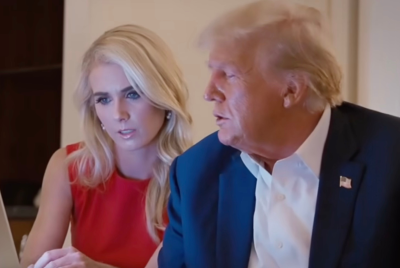
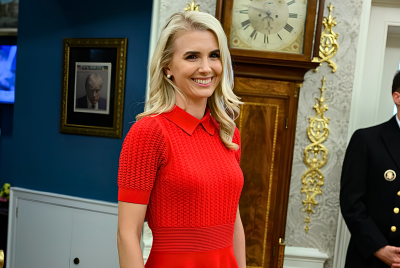
Melania Trump's name has been dragged back into America's political soap opera after reports in Washington claimed Secret Service agents privately raised concerns about the 'aggressive attention' shown to Donald Trump by his 34-year-old aide Natalie Harp, according to accounts in two forthcoming books.
Harp's unusually close role around Trump has been whispered about in conservative circles for months, but the latest details come from established Trump chroniclers rather than anonymous gossip. The President, now 78, has long relied on a tight inner circle that prizes loyalty above formal experience. Harp, a former TV host at the right-wing One America News Network, has become one of the most prominent faces in that orbit, often seen trailing him at rallies and Mar-a-Lago events.
The new scrutiny stems from 'Regime Change: Inside the Imperial Presidency of Donald Trump,' an upcoming book by New York Times reporter Maggie Haberman and Axios journalist Jonathan Swan. According to the book, excerpts of which have been circulated in US media, Harp has been known to leave Trump handwritten notes in his private areas saying things such as 'You are all that matters to me.' The authors portray her not simply as a staffer, but as something closer to a devoted courtier whose emotional investment in the President has raised eyebrows even among hardened Trump-world insiders.
Another chronicler of Trump's inner life, author Michael Wolff, goes further. In his book 'All or Nothing,' Wolff reports that the Secret Service allegedly flagged 'the aggressiveness of her attention' to Trump as a potential security concern.
The claim has not been independently corroborated, and the agency has not publicly commented, so it should be treated with caution. Still, the mere suggestion that bodyguards tasked with protecting Trump might have logged concerns about an aide's behaviour has added a darker edge to what might otherwise be dismissed as palace intrigue.

Melania Trump, a Devoted Aide and an Awkward Spotlight
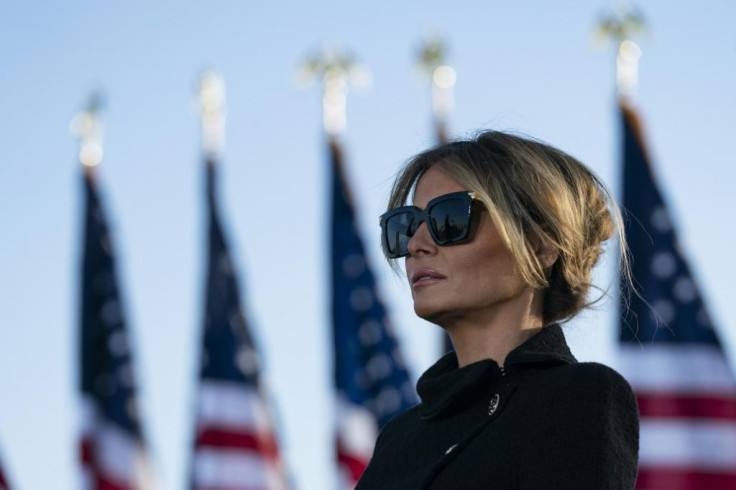
The renewed chatter has inevitably dragged Melania into the frame, with commentary asking – sometimes earnestly, sometimes mockingly – whether the First Lady should feel threatened by Harp's presence. There is, crucially, no evidence in the reporting that Melania has expressed any view on Harp, nor that their relationship is anything other than professional. The speculation is largely projection from observers who see a familiar pattern: a powerful older man and a younger blonde loyalist orbiting close to him.
Harp's job, by all accounts, is relentless and oddly specific. Colleagues have dubbed her the 'human printer' because she reportedly shadows Trump with a portable printer, churning out hard copies of flattering news coverage and positive social media posts for him to read.
It sounds faintly comic, yet anyone who has followed Trump's career understands why such a role might matter. He has always been acutely sensitive to media perception, tallying slights and praise with equal obsession. An aide willing to curate a constant stream of good news, personalised and printed, is unlikely to be turned away.
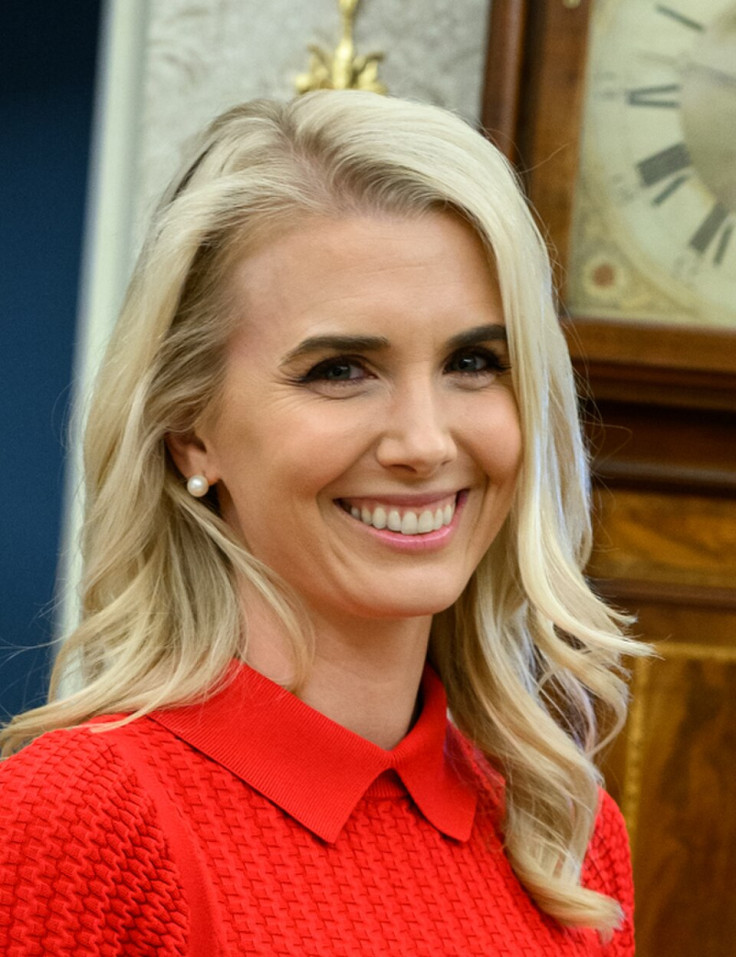
Inside this dynamic lies the kernel of concern. Haberman, Swan and Wolff are not suggesting a romance. Instead, they sketch a portrait of dependency: a leader who craves affirmation and an aide seemingly prepared to supply it without limit. In a normal workplace it might be dismissed as sycophancy. In a presidential environment, where access is power, it becomes more consequential.
Adding fuel to the story is Harp's own family. Her estranged brother, Preston Harp, has publicly attacked the relationship, reportedly calling it 'very unhealthy' and describing his sister as Trump's personal 'fan club.' Family fallouts are messy, and estranged relatives are not always the most reliable narrators, but his comments have underscored the sense that what might once have been a niche insider anecdote is now bleeding into broader public debate.
Social Media Turns Melania Trump Drama Into Dark Comedy
Online, none of this is being handled delicately. The Harp–Trump relationship has become fodder for X, where critics have leaned into a 'Fatal Attraction'-style narrative and pushed the idea that this aide could 'end' Trump's presidency. That claim is pure hyperbole rather than any kind of formal threat to his political status, but it reveals how readily Harp has been cast as a character rather than a civil servant.
One widely shared post from the account 'Canada Hates Trump' claimed: 'Natalie Harp may be the one that ends Trump's presidency. And by ending it, I mean 'somebody check her freezer.' Her creepy obsession with the fat f— is off the charts.' Another user piled on with a grotesque joke that Harp 'changes his diapers and saves the contents,' adding, 'If that isn't love, I don't know what is.'
The language is crude, and the tone openly hostile, but it speaks to a broader discomfort with the idea of a senior political figure surrounded by intensely devoted loyalists who appear to blur professional and personal lines. Trump's admirers might see Harp as the model staffer: hyper-loyal, relentlessly positive, carefully curating the information he sees. His critics see something more unsettling, a one-way devotion that risks cutting him off from reality.
As for Melania, her silence is hardly surprising. She has long kept her distance from the daily pantomime of Trump-world, emerging selectively and almost never to gossip about personnel. Whether she is irritated, unconcerned or simply resigned to the cast of characters around her husband is unknowable from the outside. None of the recent reporting offers any insight into her private views, and without that, the 'should she be jealous?' question is more media script than documented fact.
What's clear is that Harp, once a barely known aide with a printer, is now a central figure in the running story of Trump's post-White House life. The books present her as both symptom and symbol of how power currently works around him: intensely personal, loyalty-driven and, depending on who you ask, either admirably committed or worryingly obsessive. Nothing in the accounts has been formally confirmed by the Secret Service or the Trumps themselves, so every claim sits in that uneasy zone between carefully sourced reporting and the inevitably partisan lens through which it will be read.
© Copyright IBTimes 2026. All rights reserved.
- Recommended For You