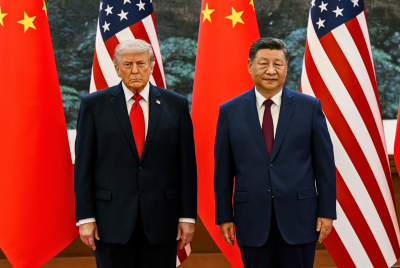
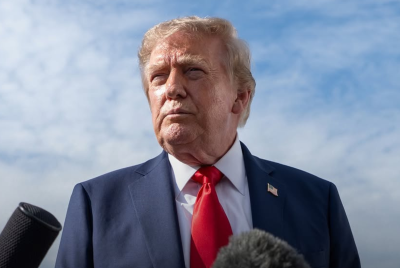
Trump Responds to the US Supreme Court's Birthright Citizenship Ruling by Congratulating President Xi
Trump's sarcastic message to Xi Jinping follows Supreme Court's reaffirmation of birthright citizenship.
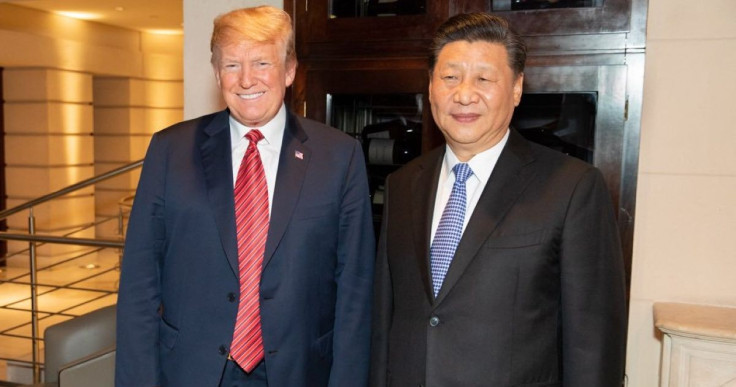
Donald Trump has reacted to the US Supreme Court's latest birthright citizenship ruling with a sarcastic message aimed at Chinese President Xi Jinping. The US President took to Truth Social on Tuesday to congratulate Xi after the court rejected his attempt to limit automatic citizenship for children born in the United States. Trump wrote, 'I would like to congratulate President Xi, and the Great Country of China, on their massive Birthright Citizenship WIN!'
The post quickly drew attention because it referenced one of the most well-known constitutional cases in American history, United States v. Wong Kim Ark. The Supreme Court's 6-3 decision dealt a blow to one of the central parts of Trump's immigration agenda by reaffirming that the Citizenship Clause of the 14th Amendment grants automatic citizenship to most children born on US soil, including those whose parents are in the country temporarily or illegally.
Trump's Remark Pointed To A Historic Supreme Court Case
Trump's message mentioning Xi Jinping was a reference to United States v. Wong Kim Ark, the 1898 Supreme Court case that established the legal basis for birthright citizenship in the United States.
Wong Kim Ark was born in San Francisco in 1873 to Chinese immigrant parents who were not US citizens. After travelling overseas, he was refused re-entry into the United States because officials argued that he was not an American citizen due to his parents' nationality.
The dispute eventually reached the Supreme Court, which ruled that Wong Kim Ark was a US citizen by birth under the Citizenship Clause of the 14th Amendment. That judgment has since served as the constitutional foundation for birthright citizenship in the United States.
I would like to congratulate President Xi, and the Great Country of China, on their massive Birthright Citizenship WIN! President DONALD J. TRUMP
— Commentary Donald J. Trump Truth Social Posts On X (@TrumpTruthOnX) June 30, 2026
( TS: Jun 30 2026, 1:30 PM ET )… pic.twitter.com/cVhpIKXX9w
Chief Justice John Roberts referred to the same case in Tuesday's ruling, saying there was no reason to depart from the long-established constitutional interpretation.
Trump appeared to use his Truth Social post to suggest that people born in the United States to Chinese parents have benefited from the ruling for more than a century, which is why he sarcastically congratulated Xi over the court's decision.
The Ruling Rejected Trump's Effort
The Supreme Court's decision came after Trump sought to restrict birthright citizenship through an executive order signed on his first day back in office.
Trump has repeatedly argued that birthright citizenship encourages illegal immigration and what he has described as 'birth tourism.' His executive order attempted to reinterpret the 14th Amendment by arguing that children born to parents who are in the United States illegally or who have temporary legal status are not 'subject to the jurisdiction' of the United States and therefore should not automatically receive citizenship.
Under the proposal, automatic citizenship would have been limited to children born to US citizens or lawful permanent residents who had made the country their domicile.
The Supreme Court, however, rejected that interpretation. In a 6-3 ruling, the court held that the Citizenship Clause of the 14th Amendment grants automatic citizenship to children born in the United States even when their parents are in the country temporarily or illegally.
The decision represented a setback for one of the main parts of Trump's immigration programme and left the long-standing interpretation of the 14th Amendment unchanged.
Trump responded within hours of the ruling by posting his message congratulating Xi Jinping, linking the court's decision directly to the historic Wong Kim Ark case that continues to underpin birthright citizenship in the United States.
© Copyright IBTimes 2026. All rights reserved.
- Recommended For You