Trump UFO Speech Claim Collapses as Alleged Insider Source Denies Contact, Exposing Explosive Leak as False
A viral claim about a secret Trump UFO disclosure unravels after a key source denies any involvement
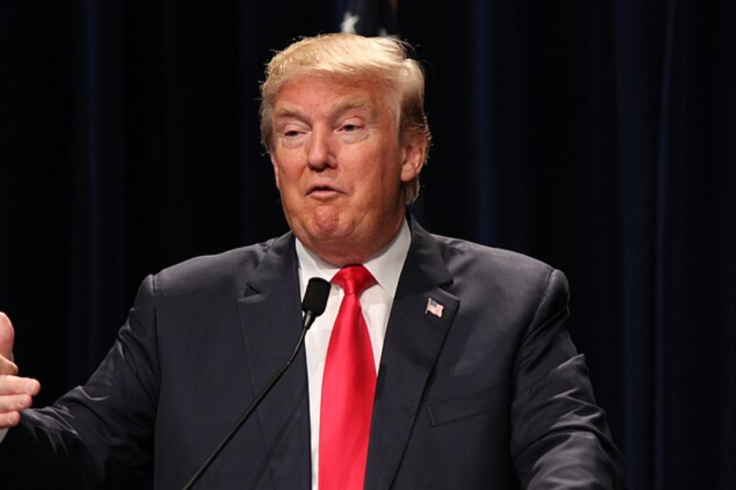
What began as a sensational claim about a secret UFO disclosure speech involving Donald Trump has now collapsed under scrutiny. The story, which spread rapidly across online platforms, suggested that a major announcement on extraterrestrial contact was imminent.
However, the foundation of that claim has since been dismantled. The alleged insider source at the centre of the narrative has publicly denied ever having contact with the individual who promoted the story. This single denial has effectively answered the headline question. The leak was not just exaggerated. It was false.
How the Story Gained Attention So Quickly
The controversy began when filmmaker Mark Christopher Lee claimed he had inside information about a planned UFO speech linked to Trump. According to Lee, the information came from a highly credible source within the UFO research world.
To support his claims, Lee shared what he described as a private message from Robert Bigelow, a well known figure in space research and paranormal investigations. The message suggested that powerful forces were blocking full disclosure about UFOs.
At first glance, the story had all the elements of a major revelation. A president, a secret speech, and an insider warning of hidden truths. It quickly gained traction among UFO enthusiasts and online communities.
Yet the speed at which it spread was matched by the speed of its unravelling.
The Claim
The turning point came when veteran journalist George Knapp stepped in. Known for his long standing work in UFO investigations, Knapp directly challenged the authenticity of the claim.
He stated clearly, 'I spoke to Robert Bigelow less than 30 minutes ago. He says he has never met, spoken to, or emailed Mr Lee.'
This direct denial struck at the core of the story. If the source never existed, then the entire narrative had no foundation. Knapp further described the claim as 'not only false, but preposterous,' adding weight to the growing scepticism.
At that point, observers were left with two possibilities. Either the story had been fabricated, or Lee had been misled by someone impersonating a credible insider. Neither explanation strengthened the original claim.
The Fallout of Credibility
As pressure mounted, Lee's response only added to the confusion. He initially defended his claims, insisting that the information was real and that he would release further evidence. However, this stance soon shifted.
In a later statement, he admitted fault, saying, 'I messed up. I should never have shared that information without proper verification.' He also apologised to both Knapp and Bigelow.
Despite the apology, the damage had already been done. The incident has reignited debates about credibility within the UFO research community, where extraordinary claims often rely heavily on unverifiable sources.
Experts have pointed out that this case highlights a recurring issue. In a field driven by secrecy and speculation, the line between genuine investigation and misinformation can quickly blur.
One analyst noted, 'The problem is not just false claims. It is how easily they gain momentum before being checked.'
The collapse of this story serves as a clear example. A single unverified source was enough to spark global attention, yet it took only one denial to bring it all down.
© Copyright IBTimes 2026. All rights reserved.
- MOST POPULAR IN Trending