Conspiracy Theorist Laura Loomer Helped Thin Trump's Security Council Just as He Steered Towards War With Iran
Laura Loomer's Influence on Trump's National Security Council and the Path to Conflict with Iran

A far-right activist with no government post helped hollow out the very body built to scrutinise presidential war decisions, months before Donald Trump took the United States into open conflict with Iran.
Laura Loomer, a self-styled investigator who has called the 9/11 attacks an inside job, pressed Trump in an April 2025 Oval Office meeting to purge National Security Council staff she branded disloyal.
Over the following weeks the council shrank from around 200 people to fewer than 100, according to CNN, which reported that Trump made the cuts 'at least in part' at her urging. The thinned-out council then sat largely on the sidelines as the president leaned on a tight circle of allies to wage war on Tehran.
An Oval Office Meeting That Reshaped the National Security Council
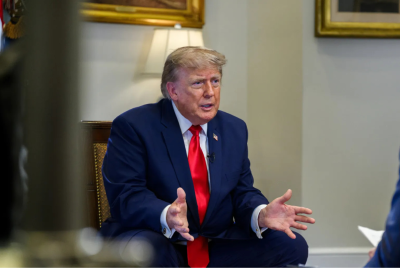
On 2 April 2025, Loomer met Trump in the Oval Office and handed him what she called her research findings. She confirmed the meeting on X, writing that it was 'an honor to meet with President Trump and present him with my research findings' while declining to name the staff she had flagged. The next day the Presidential Personnel Office began removing senior aides.
Among those dismissed were intelligence director Brian Walsh, legislative affairs director Thomas Boodry and technology and national security director David Feith, The Hill reported. Estimates of the total ranged from five to as many as ten staff across outlets.
National Security Adviser Mike Waltz, who attended the meeting, reportedly defended several of the targeted officials, yet the sackings went ahead regardless.

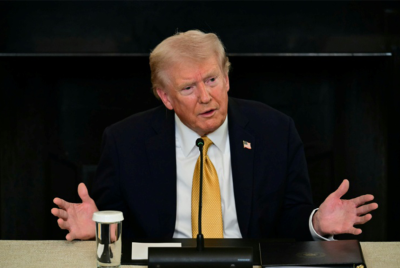
Loomer appeared to claim credit afterwards. In a post late that Thursday she asked rhetorically how people could tell the officials she reported were disloyal, pointing to their defenders on cable news. Trump, asked aboard Air Force One whether she had driven the firings, called her 'a great patriot' and said he sometimes acts on her recommendations, as reported by NPR.
From a Sacked NSA Chief to a Halved Council
The purge reached beyond the council itself. On the same day, the administration removed General Timothy Haugh, head of the National Security Agency and US Cyber Command, alongside his civilian deputy Wendy Noble, a move first reported by Axios and confirmed by Breaking Defense. Loomer posted on X that Haugh and Noble had been 'disloyal to President Trump' and thanked the president for acting on her vetting materials.
The reaction in Congress was sharp. Senator Jack Reed, ranking Democrat on the Armed Services Committee, said in a statement that Trump had handed 'a priceless gift to China, Russia, Iran, and North Korea by purging competence from our national security leadership'. Congressman Steny Hoyer accused the president of trusting far-right figures over America's foremost security experts.
The deeper change came in late May 2025, when acting adviser and Secretary of State Marco Rubio oversaw a restructuring that placed dozens of officials on leave. NPR reported that the council's Middle East section was cut from ten staff to five.
CNN later estimated the body had fallen from roughly 200 people to under half that, with three sources cited; other outlets put the original headcount nearer 350. Rubio framed the move as 'right-sizing' the council in line with its original purpose.
A Diminished Council on the Road to the Iran War
By the time Trump escalated against Iran, the coordinating body that normally pulls together expertise across government had been gutted.
CNN reported that the president leaned on a small group, chiefly Rubio and envoy Steve Witkoff, rather than the wide federal network that usually informs war planning. Former officials told the network that military planners were kept at arm's length before being abruptly told to move assets to the Middle East.
The consequences, those former officials argued, showed in the field. CNN reported that a fuller council could have helped coordinate with Gulf allies and assessed Tehran's willingness to close the Strait of Hormuz, a scenario the military had war-gamed for years.
Trump told CNN in March that the 'biggest surprise' of the war was the ferocity of Iran's missile strikes on Arab Gulf states.
Loomer's standing with the president endured through the fighting. She told the Financial Times, via the Mirror, that she was among the first people Trump called after ordering strikes, telling him people around the world were cheering him on. The same reporting noted that, per the New York Times, Trump speaks with her on a near-monthly basis.
The US opened 'major combat operations' against Iran on 28 February 2026, ABC News reported, with further strikes through June and a fragile ceasefire still under negotiation. The administration credits a streamlined team for swift decisions; its critics see a war shaped by loyalty tests rather than expertise.
A council designed to slow a president down had been quietly emptied long before the bombs fell.
© Copyright IBTimes 2026. All rights reserved.
- Recommended For You