

Donald Trump Weight Up 14lbs as Secret White House Medical Details Leak
White House medical report on Trump reveals weight gain and ongoing treatment, fuelling public scrutiny.
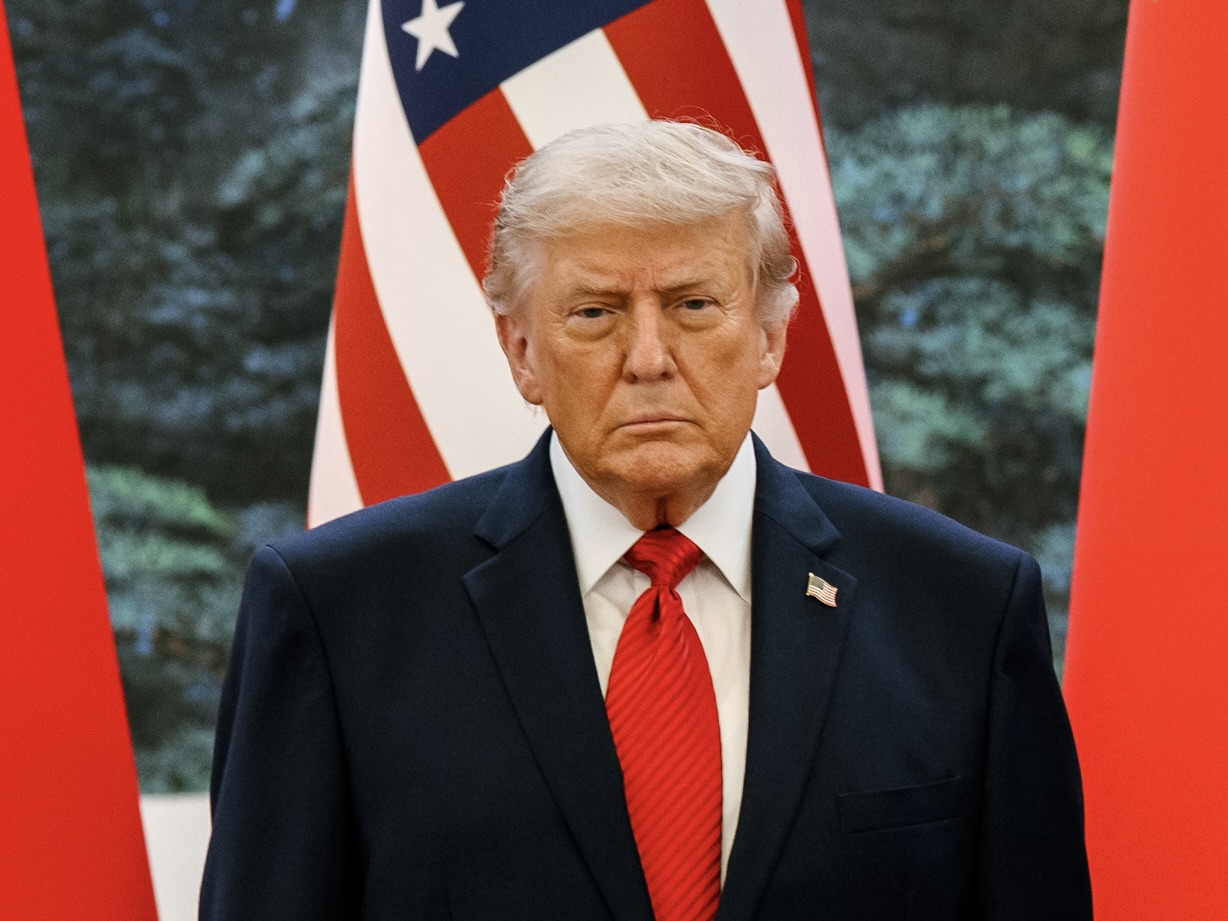
The White House's latest medical memo on Donald Trump was intended to ease questions about the president's health but instead it has prompted fresh scrutiny after revealing weight gain, medication use and details of ongoing treatment.
The three-page report, released late on Friday, said the 79-year-old is in 'excellent health' and fully fit for the duties of commander-in-chief. However, it also set out clinical details that have fuelled renewed debate about his physical condition and the timing of the disclosure.
Donald Trump is facing a wave of suspicion and mockery over his latest health check – with a prominent physician adding to the questions around the 79-year-old president's fitness. Link below for details. https://t.co/ccXimmbUH5 pic.twitter.com/waMUr1Wg9l
— Radar Online (@radar_online) June 3, 2026
The memo was published three days after Trump's visit to Walter Reed National Military Medical Center and arrived at 10:44 p.m. ET, a timing that has drawn attention from commentators questioning the handling of the release.
Health Findings
According to the report, Trump weighed 238 pounds, up 14 pounds from his April 2025 physical. It recorded a resting heart rate of 73 beats per minute and said he is taking medication for cholesterol management and cardiovascular prevention.
White House physician Dr. Sean Barbabella said Trump underwent cardiac, pulmonary, neurological and ophthalmological examinations, all of which returned normal results. The memo also stated that cognitive screening produced a perfect score of 30 out of 30, with no abnormalities identified. It added that the president continues to receive routine preventive care, including immunisations, cancer screening and metabolic monitoring.
Questions Over Omissions
The report did not address public discussion around Trump's reported drowsiness at recent appearances, a gap that has prompted questions from some medical commentators.
Dr. Jonathan Reiner, a cardiologist and former adviser to Vice President Dick Cheney, questioned why Trump has undergone repeated cardiac CT scans and whether his medical team has assessed reported daytime fatigue.
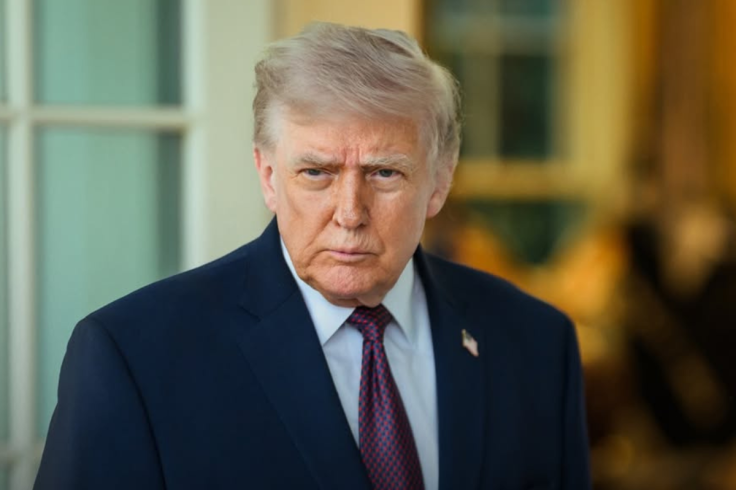
The omission has added to ongoing scrutiny, with critics arguing that public debate has increasingly shifted from formal test results to observable behaviour.
Bruising and Swelling Addressed
The memo directly addressed two visible concerns that have circulated in recent months: bruising on Trump's hands and swelling in his lower legs. Dr. Barbabella attributed the hand bruising to frequent handshaking combined with aspirin use. He said a coagulation profile was normal, indicating no underlying clotting disorder.
Lower leg swelling was described as consistent with chronic venous insufficiency, a common condition in older adults in which vein function is reduced. The report said the condition had improved.
A Familiar Political Flashpoint
Trump turns 80 in June and is already the oldest person to assume the presidency, giving each medical update heightened political significance.
Donald Trump will be 80 years old June 14, 2026 and 82 by the time he leaves office. Trump was Trump's 83rd birthday would be 4 months 25 days after he leaves office. Trump was 78 years, 7 months, 6 days old when he took office, the oldest President at inauguration ever. Joe… pic.twitter.com/9t53JLorrz
— Laurence (Larry) Boorstein (@LarryBoorstein) June 3, 2026
He has repeatedly insisted he remains in good health and has highlighted previous cognitive test results as evidence of fitness for office. However, those claims have long been met with scepticism from critics and medical observers.
The debate is not new. During his first presidential campaign, Trump released a physician's note describing him as potentially 'the healthiest individual ever elected to the presidency,' a statement later acknowledged by the doctor as having been dictated by Trump. In 2024, he also pledged to release further medical records but did not do so.
Timing Draws Scrutiny
The late Friday release has prompted questions among commentators, who said the timing contributed to perceptions of managed messaging rather than full transparency.
The White House has not commented on the timing but has said the memo reflects routine medical monitoring rather than any acute health concern.
Officials said Trump continues to undergo regular screening and has been advised on lifestyle measures including weight management, dietary adjustment, increased physical activity and low-dose aspirin therapy.
Health Memo Keeps Focus on Fitness Concerns
The medical report confirmed normal cognitive screening and ongoing preventive care, but also introduced new detail that has kept attention focused on the president's health.
Taken together, the findings — including weight gain, medication use, reported bruising and lower leg swelling — have not resolved broader questions among critics about his condition.
While the administration presents the report as evidence of stability and routine oversight, commentators say it is likely to sustain rather than settle debate.
For a president whose health has long carried political weight, the memo once again places personal medical detail at the centre of public scrutiny, reinforcing how closely perceptions of fitness and leadership remain tied in his case.
© Copyright IBTimes 2026. All rights reserved.